
The Great Indian Festive Report 2026

India’s D2C brands shipped 27% more orders a day before Diwali 2026 than in the same window last year, and kept more of their delivery promises. Seven findings from 80 million+ orders.

Free to read on this page. ClickPost may follow up about this report.

The full report is open below.

Start reading →
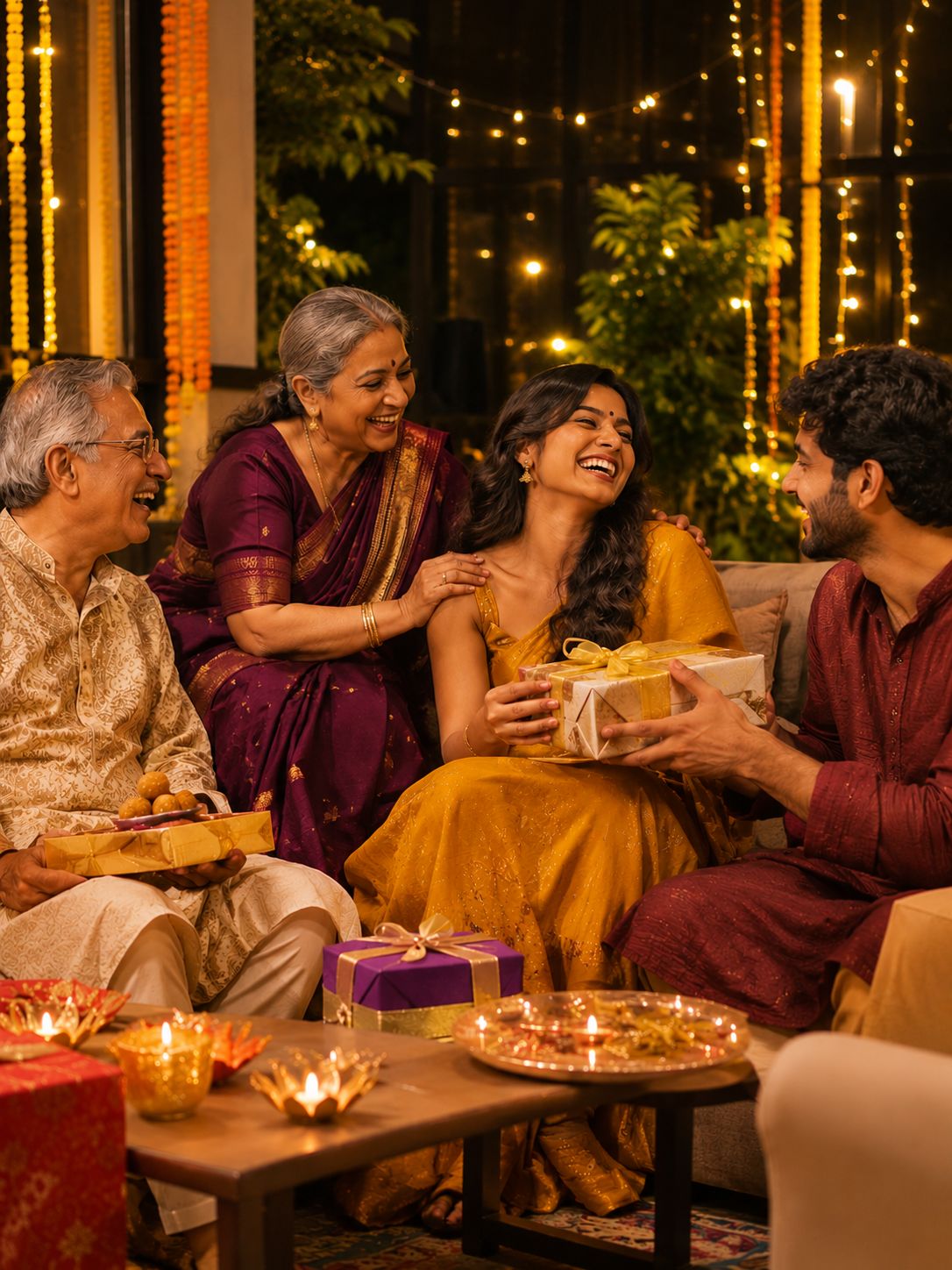
A family celebrating Diwali at home, laughing together with gifts around them

The new ledger

At Diwali, many Indian businesses open a fresh account book. Here is the 2026 book, line by line against 2025.

The usual trade-off, where more volume brings more failed deliveries, did not show up this year.

ClickPost analysis of 80M+ D2C orders. 2025 window: Sep 1 to Oct 17. 2026 window: Sep 20 to Nov 5.
Line item20252026
Failed delivery attempts22%21%
RTO rate11%10%
On-time delivery, metrosroughly7in 10nearly8in 10
On-time delivery, Tier 2 and Tier 3roughly¾over8in 10
Average delivery time, nationwidenearly3daysabout2.7days
Prepaid share of D2C shipments50.3%52%
Hyperlocal share of brand website orders2.6%about5%
Growth in orders a day+27%
Growth in estimated GMV+45%

Diwali became a marathon, and baskets got bigger

The daily baseline stepped up early and stayed up for the whole window. The average D2C brand shipped 27% more orders a day than in the same window last year.

Shoppers traded up. Estimated GMV grew about 45%, as higher-priced items filled bigger baskets.

Shoppers grew more comfortable buying premium goods on brand websites, with spend concentrated in high-ticket categories like luxury fashion, skincare, wellness and jewellery.

+27%Orders a day
2025100 2026127
+45%Estimated GMV
2025100 2026145
1.7x

GMV grew nearly 1.7x faster than order volume.

Indexed to 2025 = 100. GMV is estimated; see methodology.

Three festivals in under three weeks stretched the rush

Dussehra (Oct 21), Karwa Chauth (Oct 29) and Diwali (Nov 8) fell within three weeks of each other. Checkouts came in a rolling wave instead of one last-minute scramble.

In 2025, buying clustered in the week before Diwali. In 2026, more than 10 separate days in late October alone each matched or beat 2025’s single busiest shipping day.

  1. DussehraOct 21
  2. Karwa ChauthOct 29
  3. DiwaliNov 8
20251day
202610+days
Days that matched or beat 2025’s busiest shipping day.

Four Tier 2 cities now get orders faster than some metros

Orders reached shoppers in Chandigarh in about 52 hours and in Agra in about 54, faster than Hyderabad at about 57.

Lucknow and Jaipur, both at about 57 hours, matched Hyderabad’s pace and arrived 7 to 10 hours earlier than Chennai, Pune, Kolkata and Ahmedabad, at 64 to 67 hours.

Delhi (about 35 hours), Bengaluru (about 47) and Mumbai (about 49) stayed the fastest cities in the country. Metro-speed delivery no longer belongs to the metros alone. In fact, the NCR cluster (Delhi ~35h, Noida ~38h, Gurugram ~43h and Faridabad ~45h) now forms India’s single fastest delivery region, with all four beating Bengaluru and Mumbai.

  • Tier 2 city
  • Metro
  • DelhiMetro
  • BengaluruMetro
  • MumbaiMetro
  • ChandigarhTier 2
  • AgraTier 2
  • JaipurTier 2
  • LucknowTier 2
  • HyderabadMetro
  • Chennai, Pune, Kolkata, AhmedabadMetros
Average delivery time in hours, approximate. ClickPost analysis of 80M+ D2C orders, Diwali 2026.

Non-metros now beat metros on on-time delivery

Speed makes headlines. Reliability brings customers back.

In 2026, Tier 2 and Tier 3 cities delivered 83% of festive orders on time, a full 5 percentage points higher than Tier 1 metros at 78%. For the first time, non-metro cities are outperforming metros on the delivery promise.

The leaps underneath: Tier 3 climbed from 74% to 83% (the sharpest jump of any tier), Tier 2 moved from 76% to 83%, and Tier 1 metros rose from 71% to 78%.

Nationwide, average delivery time fell from nearly 3 days to about 2.7 days, even with 27% more orders a day moving through the network.

83%
Orders in Tier 2 and Tier 3 cities that arrived on time, vs 78% in metros.
2024

The year of speed

2025

The year of surge

2026

The year of reliability

Reliability improved fastest where it had the furthest to go.

Hyperlocal delivery on brand websites nearly doubled

Brands still sell on Blinkit, Swiggy Instamart and Zepto. They are also adding express delivery to their own websites and apps.

On brand-owned websites and apps, hyperlocal delivery grew from 2.6% of all orders in 2025 to about 5% in 2026. Express delivery has moved from a trial to a standard checkout option.

Quick commerce apps stock a handful of best-selling SKUs. A brand’s own express channel offers its full Diwali catalogue.

Brands leading the push

Snitch Quick
60-minute fashion delivery
Decathlon
2-hour delivery on sports gear
FirstCry Qwik
Express delivery
Pepperfry
24-hour delivery
20252.6%
2026about5%
Each light is one order in 1,000 on brand websites and apps. Lit lights are hyperlocal deliveries.

Prepaid held the majority, led by everyday carts

India’s D2C analysts waited years for the prepaid crossover. This Diwali settled the question.

Prepaid held at 52% of all D2C shipments this festive season, up from 50.3% in 2025. The clearest signal came from everyday categories, not forced-prepaid ones like gifting and furniture.

Fashion, long a COD-heavy category, now has 61% of orders paid upfront. Cosmetics is the one major category where cash still leads, at 52% COD. Beauty and personal care remain the trial category for cautious online shoppers.

All D2C shipments52%prepaid

Marker shows 2025: 50.3% prepaid

Fashion61%prepaid
Cosmetics52%COD

Biggest shifts toward prepaid, 2025 to 2026

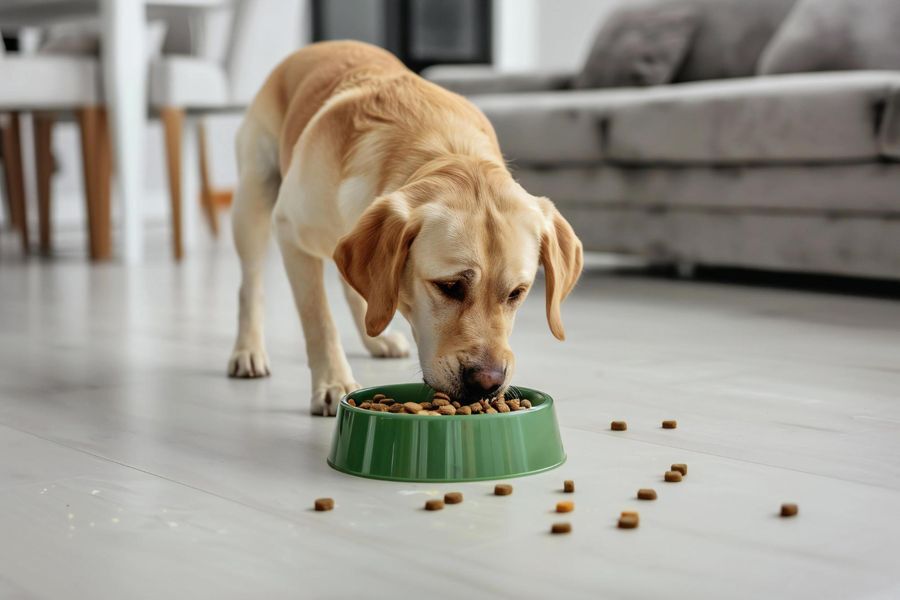
A Labrador eating from a green bowl at home
Petcare+9.8pp
Lotus-shaped orange and brass diyas lit on a brass tray
Home decor+6.0pp
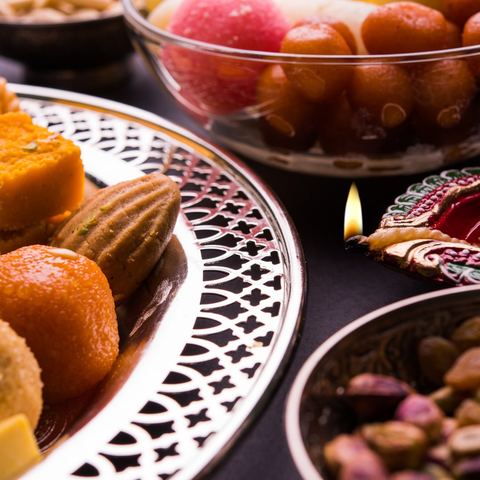
Diwali sweets on a silver plate beside a lit diya
Food and beverages+4.7pp
Share of orders by payment mode. pp = percentage points.

What India bought this Diwali

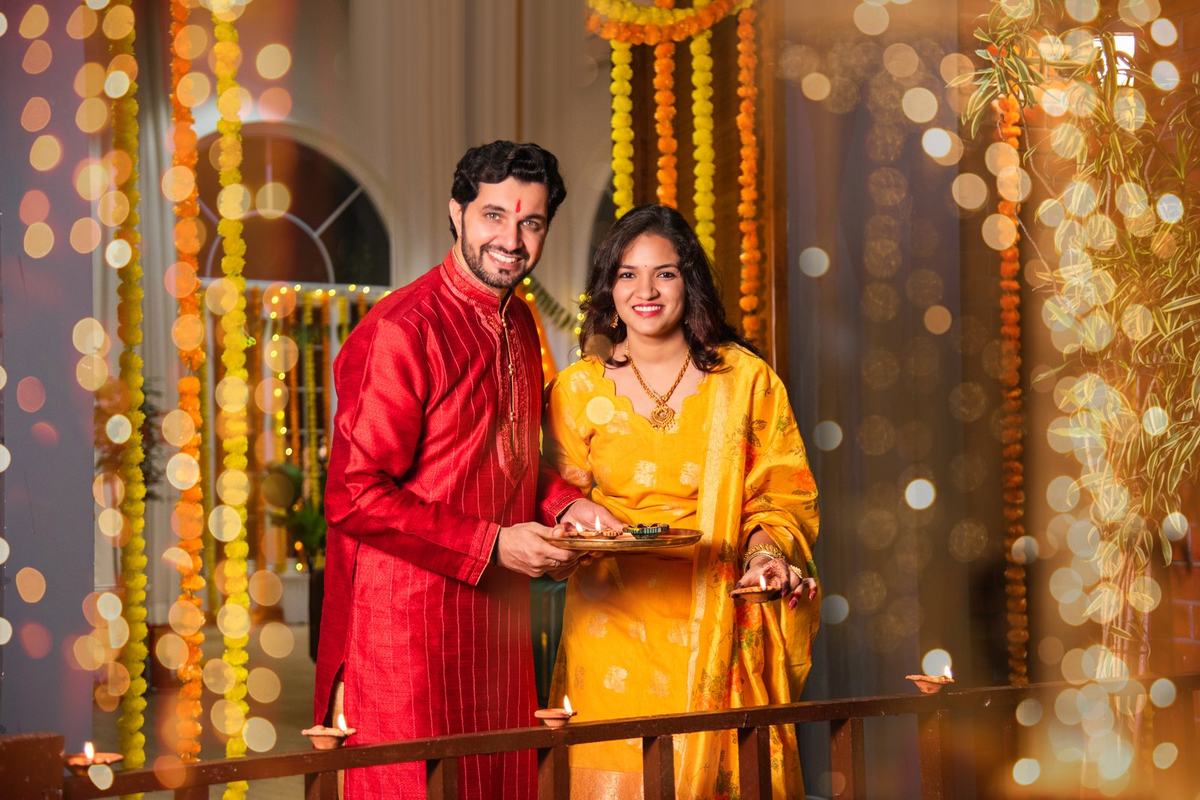
A couple in festive ethnic wear holding diyas, with Diwali lights behind them

Fashion grew fastest outside the metros

Volume rose around 33% in Tier 3 cities and 29% in Tier 2, both ahead of the metros at 29% and meaningfully ahead of the broader D2C Fashion market benchmark of around 21%. Prepaid basket value rose about 6%, a sign that discounting did not drive the extra volume.

+6%prepaid basket value
Perfume bottle, lipstick and makeup palettes in gold on a marble table

Beauty grew in every tier

Volume grew 33% to 39% in every city tier, and beauty and personal care stayed the largest D2C category by volume. More orders at the same price points is what everyday adoption looks like.

+33to39%
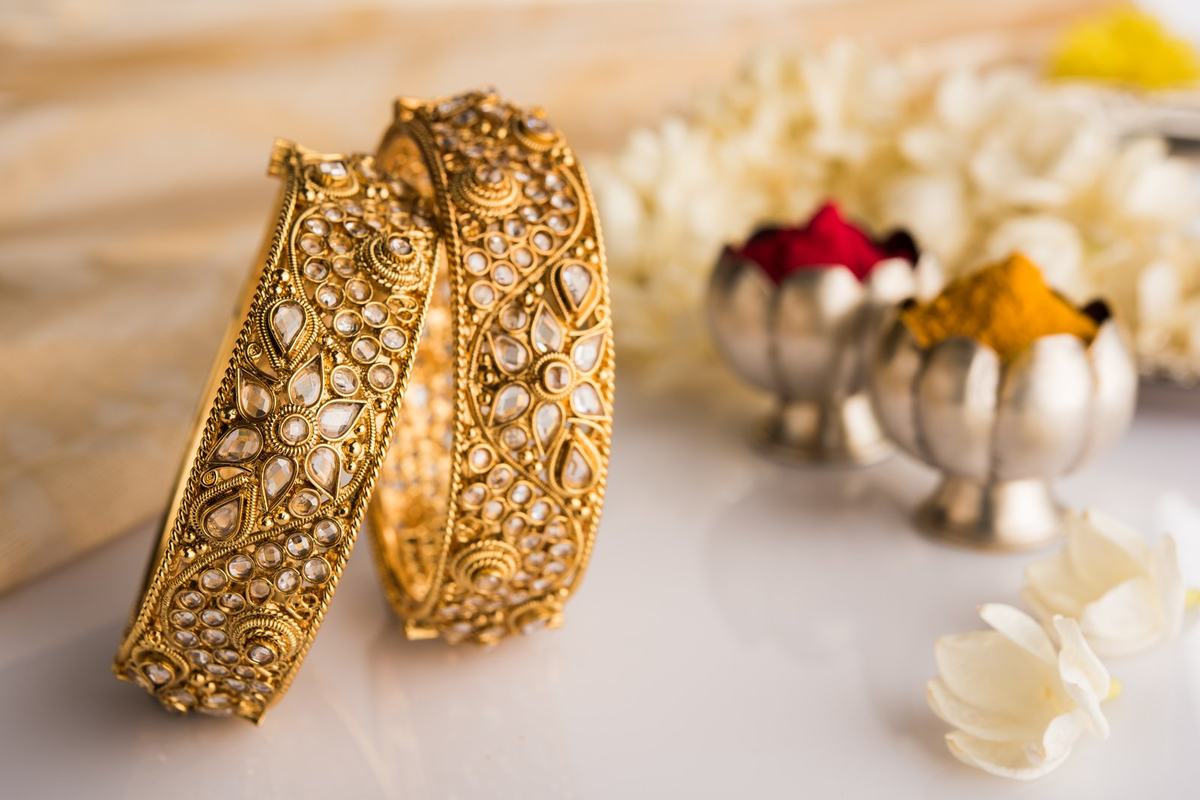
Gold kundan bangles beside white flowers and bowls of haldi and kumkum

Jewellery stayed the go-to Diwali gift

Jewellery led on value again. Prepaid AOV climbed 7.4% year on year to ₹5,773.

₹5,773+7.4%prepaid AOV
Golden and red softgel capsules on wooden spoons beside a dropper bottle and a herb bowl

Nutrition and wellness became a daily habit

Prepaid AOV rose 11.1% to ₹936, a sign of steady demand for preventive health and premium wellness.

₹936+11.1%prepaid AOV

A longer, more reliable Diwali

Diwali 2026 shows a mature D2C market. Non-metro cities now outperform metros on on-time delivery, shoppers pay upfront for bigger carts, and brands absorbed 27% more daily volume without breaking the reliability needle.

The clearest sign: orders a day grew 27% and estimated GMV grew 45%, while failed delivery attempts and RTO both edged down rather than ticking up. Brands handled meaningfully more orders and the system still delivered more reliably.

Failed delivery attempts

2025

22%

2026

21%

RTO rate

2025

11%

2026

10%
Each grid is 100 orders. Open circles are orders with a failed delivery attempt, or orders that went RTO.

Read the full report

Enter your work email to open all seven findings, every chart and the methodology.

About ClickPost

ClickPost is an AI logistics automation and post-purchase platform for D2C and retail brands. It has processed 5B+ shipments across 700+ carrier integrations in 30+ countries for 600+ brands, including Nykaa, Snitch, Puma, Tata 1mg and Palmonas.

Book a free demo →

Methodology

This analysis covers a fixed, like-for-like cohort of nearly 400 D2C brands across two pre-Diwali windows: Sep 1 to Oct 17, 2025 and Sep 20 to Nov 5, 2026. It includes 80 million+ orders from brand websites in cosmetics, fashion, jewellery, home decor, nutrition and pharma, food and beverages, furniture and petcare.

GMV is estimated as total forward volume multiplied by mean order value. Mean AOV is computed on shipments with recorded invoice values (about 86 to 88% coverage, capped at ₹1 lakh per order). Only INR-invoiced shipments to Indian delivery addresses are included. B2B accounts, financial services and non-D2C logistics flows are excluded.

The 47 lights at the top of this page stand for the 47 days of the 2026 window.

Failed-delivery and RTO rates are measured on the matured post-NDR window (orders shipped up to 14 days before each year’s Diwali) so that first-attempt failure and re-attempt cycles have had time to complete for both years. All volume comparisons use daily averages aligned by days-before-Diwali.