









8 Best Package Tracking Software for E-commerce in USA (2026)


Ready to delight customers after checkout?
Trusted by 600+ brands
In this blog
TL;DR: 8 Best Package Tracking Software for E-commerce Businesses (2026)
-
ClickPost: best overall for mid-market and enterprise DTC brands running several carriers. Branded tracking, exception alerts, returns and carrier analytics in one platform, 700+ carriers, G2 4.8.
-
AfterShip: best for Shopify brands that want published pricing. Essentials starts at $29 a month on annual billing.
-
Narvar: best for large omnichannel retailers with a long implementation runway.
-
parcelLab: best for global enterprise programs. It powers FedEx Tracking+.
-
TrackingMore: best API-first option for teams with developers.
-
LateShipment.com: best when carrier refund recovery matters as much as tracking.
-
Malomo (by Redo): best for Shopify D2C brands that market through the tracking page.
-
Sendcloud: best for brands that ship mostly inside Europe.
Rule of thumb: under 500 shipments a month, a free or entry plan is enough. Past 5,000, exception handling and carrier analytics matter more than price per shipment.
Not sure where you stand? The free Order Tracking Maturity Assessment scores your setup from 0 to 100 and estimates your WISMO cost.
Disclosure: ClickPost publishes this guide and we rank ourselves first. We tried to make that call earn its place. Every vendor's pricing and rating was checked in October 2026, and every review, ours included, names a real trade-off.
The best package tracking software does one job well: it answers "where is my order?" before the shopper has to ask. That sounds small until you price the question. Gartner's poll of customer service leaders put the average live contact (phone, chat or email) at $8.01, against about $0.10 for a self-service answer. Every order-status email your team handles costs roughly 80 times more than the same answer on a tracking page.
Package tracking software pulls scan data from every carrier you use, cleans it up and turns it into branded tracking pages, proactive alerts and exception workflows. Spending on the category keeps climbing. Global Market Insights values the shipment tracking platform market at $2.61 billion in 2025 and expects $5.62 billion by 2035, with North America as the largest region.
We compared the eight platforms US e-commerce teams shortlist most often: ClickPost, AfterShip, Narvar, parcelLab, TrackingMore, LateShipment.com, Malomo and Sendcloud. Each review covers pricing, named AI features, G2 rating, pros, cons and a one-line verdict. After the reviews you'll find a volume-based pick list, a WISMO cost model you can hand to finance and the questions worth asking on a sales call.
Best package tracking software compared: 2026 at a glance
We built this table around the questions buyers ask first: how many carriers, whether the tracking page can carry your brand, how exceptions are handled and what it costs to start. Carrier counts are vendor-stated and each company counts differently, so read them as directional. Ratings come from G2 in October 2026.
| Platform | Best for | Carriers | Branded page | Exception alerts | AI delivery dates | Returns | Shopify | Starting price | G2 |
| ClickPost | Mid-market and enterprise, multi-carrier | 700+ | Yes, on your domain | Yes, control tower | Yes | Yes, same platform | Yes | Custom quote; 30-day trial | 4.8 |
| AfterShip | Shopify SMB to mid-market | 1,200+ | Yes | Yes | Premium plan | Separate product | Yes | $29/mo, annual billing | 4.7 |
| Narvar | Enterprise omnichannel | Carrier-agnostic | Yes | Yes | Yes | Yes | Via integration | Custom quote | 4.3 |
| parcelLab | Global enterprise | 550+ | Yes | Yes | Delay prediction | Yes | Via integration | Custom quote | 4.6 |
| TrackingMore | Developers, API-first | About 1,600 | Basic | Limited | No | No | Yes | Free; paid from $11/mo | 4.8 |
| LateShipment.com | Tracking plus refund recovery | 1,200+ | Yes | Yes | Predictive alerts | Add-on module | Yes | About $0.05 to $0.07 per shipment | 4.9* |
| Malomo (by Redo) | Shopify D2C marketing | Major US and intl. | Yes, design-led | Basic | No | Via Redo | Shopify only | From about $99/mo | n/a |
| Sendcloud | Shipping inside Europe | 170+ | From Growth plan | Basic | No | Yes | Yes | Free; Lite from about EUR 28/mo | 4.6 |
*LateShipment.com's 4.9 rests on a small review base (16 reviews). Malomo has too few G2 reviews for a reliable score. Ratings and prices as of October 2026; see G2's AfterShip vs ClickPost comparison for a live example of how scores are reported.
The 8 best package tracking software for e-commerce, reviewed in 2026
We ranked these by fit for US brands shipping 5,000 or more orders a month across more than one carrier. Ship less than that? Jump to the volume table. Your best pick is probably further down this list, and that's fine.
1. ClickPost: Best for mid-market and enterprise brands running multiple carriers
ClickPost is our platform, so read this entry knowing who wrote it. It connects to 700+ carriers through one integration, runs a branded tracking page on your own domain and adds a control tower that flags stalled shipments before shoppers notice, with returns and exchanges on the same data. Brands report up to 60% fewer order-status queries (our platform benchmark, not independent research); the trade-off is that we don't publish self-serve price tiers.
Pricing: Custom quote based on volume and modules. The US site advertises a 30-day free trial.
AI: AI carrier allocation, predictive delivery date estimates shown before and after purchase, and automated exception detection in the Apex control tower.
G2 rating: 4.8 out of 5 (131 reviews)
Pros:
-
Tracking, returns and carrier analytics share one data model, which cuts vendor sprawl and duplicate notifications.
-
Standard setups go live in days through native Shopify, Magento, WooCommerce, BigCommerce and Salesforce Commerce Cloud connectors, plus Klaviyo, Gorgias, Attentive and Zendesk.
Cons:
-
More platform than a very small store needs if all it wants is a tracking page and two emails.
Verdict: The pick for brands that have outgrown a tracking app and want exceptions, returns and carrier data working from the same place.
2. AfterShip: Best for Shopify brands that want published pricing
If you sell on Shopify, you've probably met AfterShip already, and setup takes an afternoon. In June 2026 it cut its tracking plans to three tiers and moved to annual shipment quotas, according to PricingSaaS's pricing tracker, with AI delivery dates now on Premium. Watch the $0.08 overage and the separately priced modules as volume grows.
Pricing: Essentials from $29/mo (annual billing, 6,000 shipments a year); Premium from $59/mo; Enterprise by quote for larger brands. $0.08 per extra shipment.
AI: AI-powered estimated delivery dates on Premium and above.
G2 rating: 4.7 out of 5 (308 reviews)
Pros:
-
Published pricing you can model in a spreadsheet before talking to anyone.
-
Fastest Shopify setup in this list, with a large app ecosystem around it.
Cons:
-
Annual quotas mean a heavy Q4 can burn through your allowance and trigger overage.
-
Returns is a separate product with its own bill.
Verdict: Start here if you're Shopify-first and under roughly 5,000 orders a month, then reprice at renewal as volume climbs.
3. Narvar: Best for large omnichannel retailers
For a decade Narvar has been the enterprise default for post-purchase. Its IRIS intelligence layer, launched in January 2025 (VentureBeat covered the launch), runs its Assist and Shield fraud tools, and in January 2026 it announced NAVI, an agentic assistant for delivery and returns issues. Expect a quote-only contract and a multi-week rollout.
Pricing: Custom annual contracts; no public tiers.
AI: IRIS intelligence layer, Narvar Assist (claims and delivery fraud), Shield (returns fraud) and the NAVI agentic assistant announced in January 2026.
G2 rating: 4.3 out of 5 (172 reviews; some G2 comparison pages show 4.2)
Pros:
-
Mature tooling for omnichannel returns and delivery promises.
-
One of the heaviest AI investments in the category.
Cons:
-
Quote-only pricing and a long implementation.
-
Review mentions of delayed tracking updates and uneven support responsiveness.
Verdict: Worth the spend for large retailers with a post-purchase team; too heavy for most D2C brands.
4. parcelLab: Best for global enterprise post-purchase programs
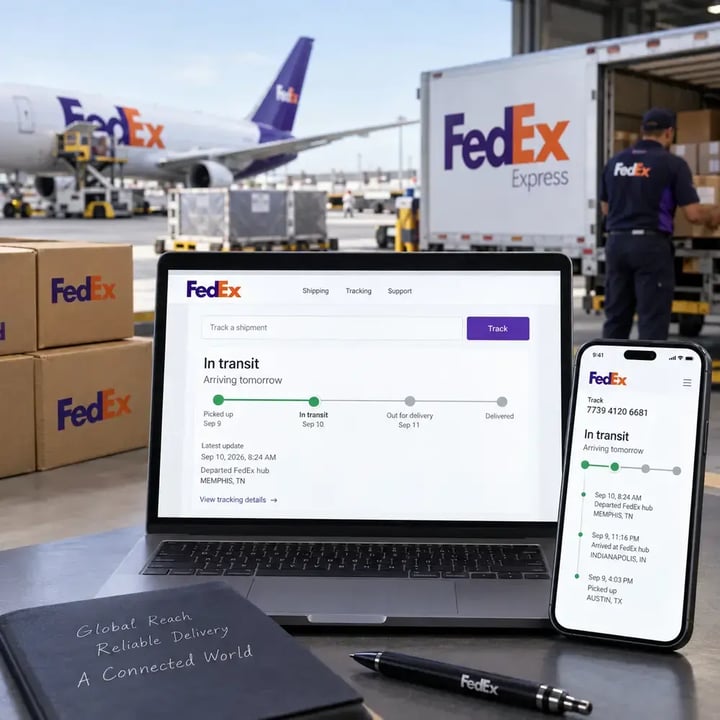
parcelLab covers 550+ carriers across 175 countries for brands like IKEA and YETI. In February 2026 FedEx launched Tracking+ and Returns+ built with parcelLab, as Digital Commerce 360 reported, and FedEx's Jason Brenner said "customer loyalty is often earned after the sale." It's built for multi-country programs, with a services-led rollout to match.
Pricing: Custom enterprise contracts.
AI: Copilot for configuration and troubleshooting, AI delay prediction, and a WISMO/R agent announced as coming soon.
G2 rating: 4.6 out of 5 (263 reviews)
Pros:
-
Strong localization for programs that span many countries and languages.
-
The FedEx partnership adds distribution and carrier-side credibility.
Cons:
-
Enterprise pricing and rollout effort.
-
Some changes route through support rather than self-serve.
Verdict: The enterprise pick for global brands with a post-purchase program manager; mid-market US brands will feel the overhead.
5. TrackingMore: Best API-first tracking for developer teams
Think of TrackingMore as plumbing for your own build: normalized data from roughly 1,600 carriers through an API and webhooks. It's the cheapest paid entry here, though sources disagree on whether the API unlocks on Basic or Pro. Your team builds the branded page and exception workflows itself.
Pricing: Free plan; Basic from $11/mo; Pro $74/mo for 2,000 credits; extra credits $0.04 each.
AI: No named AI features found in our research.
G2 rating: 4.8 out of 5 (49 reviews)
Pros:
-
Cheapest paid entry in this list with very wide carrier coverage.
-
Credits flex with seasonal volume instead of forcing a plan jump.
Cons:
-
You build the shopper-facing experience yourself.
-
No returns or exception-handling workflows.
Verdict: Excellent raw data at a low price for teams with engineers, and the wrong tool for teams without them.
6. LateShipment.com: Best for carrier refund recovery alongside tracking
LateShipment.com pairs branded tracking (OneTrack) with OneAudit, which files carrier refund claims for 35% of what it recovers. For brands with heavy UPS and FedEx spend, those credits can offset the tracking bill. Budget for two billing meters, and note that its G2 score rests on few reviews.
Pricing: OneTrack about $0.05 to $0.07 per tracked shipment, free tier for very low volume; OneAudit 35% of recovered refunds.
AI: Predictive delay alerts that flag at-risk shipments before customers ask (vendor-described).
G2 rating: 4.9 out of 5 (16 reviews across its profiles)
Pros:
-
Carrier refund recovery is unique among the eight tools here.
-
Usage-based pricing without a large monthly minimum.
Cons:
-
Two billing models to forecast.
-
Thin review base for a platform at this price point.
Verdict: Shortlist it if parcel spend is high and nobody on your team audits carrier invoices today.
7. Malomo (by Redo): Best for Shopify D2C brands that market through the tracking page
Malomo built design-led Shopify tracking pages with Klaviyo, Attentive and Yotpo flows triggered by carrier events. Redo acquired it in January 2026, per CB Insights, and is adding AI-guided returns and exchanges. It works only on Shopify, so ask how the roadmap has changed under Redo.
Pricing: From about $99/mo according to partner listings, with higher tiers quoted. Third-party figures vary, so confirm directly.
AI: No AI delivery dates of its own; Redo adds AI-guided returns and exchanges.
G2 rating: Not enough G2 reviews for a reliable score.
Pros:
-
Deep marketing integrations for email and SMS flows.
-
Flexible page design, including headless builds.
Cons:
-
Shopify-only.
-
An ownership change brings roadmap and support questions.
Verdict: A good fit when retention owns post-purchase on Shopify; ops-heavy brands will want more exception tooling.
8. Sendcloud: Best for brands shipping mostly inside Europe
Sendcloud is a shipping platform first: labels, rate comparison and checkout options across 170+ carriers, strongest in Europe. The full branded tracking page starts on the Growth tier, and every label adds a small processing fee. US-first brands will find deeper domestic tracking elsewhere.
Pricing: Free plan; Lite about EUR 28/mo, Growth about EUR 87/mo, Premium about EUR 175/mo on annual billing; per-label fees of about EUR 0.07 to 0.10.
AI: No named AI tracking features found.
G2 rating: 4.6 out of 5 (145 reviews)
Pros:
-
Shipping, labels and tracking in one tool.
-
Broad European carrier network with pre-negotiated rates.
Cons:
-
The branded tracking page sits behind the Growth tier.
-
Per-label fees add up at volume.
Verdict: The right call for EU-heavy shippers and a secondary option for US-first brands.
Which package tracking software fits your shipment volume?
Match the tool to your monthly shipments. Under 500, a free or entry plan covers you. Between 500 and 5,000, a self-serve platform with a branded page pays off. Past 5,000, exception handling, carrier analytics and returns on the same data matter more than the price per shipment.
| Monthly shipments | Tier | Best-fit tools | Why |
| Under 500 | Free or entry plan | AfterShip, TrackingMore free, Sendcloud free | Carrier emails plus a basic status page are enough. Paid software has little to save at this volume. |
| 500 to 5,000 | Self-serve platform | AfterShip, Malomo, TrackingMore, LateShipment.com | A branded page and proactive alerts cut status emails at a price you can model. |
| 5,000 to 50,000 | Mid-market post-purchase platform | ClickPost, LateShipment.com, Malomo | Multiple carriers, exceptions and returns start creating real support load. |
| 50,000+ | Enterprise post-purchase suite | ClickPost, Narvar, parcelLab | SLA tracking, carrier benchmarking, multi-region messaging and dedicated support justify enterprise pricing. |
Score your tracking before you book demos: ClickPost's free Order Tracking Maturity Assessment asks eight questions across branded tracking, proactive alerts, delivery dates, exception handling and WISMO deflection. You get a 0 to 100 score, your top fix areas and a WISMO cost estimate for your order volume. Take it before your first vendor call so you know which gaps you're paying to close.
How does package tracking software reduce WISMO tickets?
Package tracking software reduces WISMO tickets by sending proactive alerts at each shipping milestone and answering status questions on a branded tracking page. Shoppers who already know where their package is don't email support. The savings come from moving each answer out of a live channel and into self-service.
Here's a model you can adapt. One caveat first: no audited industry benchmark tells you what share of support tickets are WISMO questions. Macha's review of ecommerce support statistics traced the widely quoted 40% figure back to a single secondhand source. Your own helpdesk tags are the better input. The table assumes one status contact for every ten orders, Gartner's $8.01 live-contact cost, $0.10 per self-service answer and a conservative 40% deflection.
| Monthly orders | Status contacts (10%) | Monthly live-channel cost | Deflected (40%) | Monthly savings |
| 5,000 | 500 | $4,005 | 200 | $1,582 |
| 20,000 | 2,000 | $16,020 | 800 | $6,328 |
| 100,000 | 10,000 | $80,100 | 4,000 | $31,640 |
Gartner's figure comes from a 2019 poll, and support costs have risen since, so these numbers lean conservative. Subscription and preorder-heavy brands usually see a higher contact rate than 10%. To run the math on your own inputs, use ClickPost's tracking ROI calculator.
Customer story: how GOPURE cut return processing time in half
GOPURE is a skincare brand founded by industry professionals. It sells through TikTok, Amazon, Target and its own site, and operates in the US, UK, Canada, New Zealand and Australia. It's a returns story, and we included it on purpose: the tracking page and the returns portal run on the same post-purchase data, and the reasons GOPURE switched platforms are the ones that should drive a tracking decision too.
The problem
Most of GOPURE's returns came from recurring subscription orders, and each one needed a manual review before approval. One person spent close to an hour a day on that review alone. Its previous returns platform couldn't be configured to test different return journeys and offers by return reason or order type, and every custom workflow meant a paid custom build.
What changed
ClickPost built an automation that spots returns from customers who no longer want their subscription and cancels the active subscription automatically. The portal logic was rebuilt so "keep the product" offers appear at the right step, filtered by product type and return reason. The setup went live quickly without GOPURE's IT team.
| Metric | Before | After ClickPost |
| Daily manual returns work | About 2 hours | About 1 hour (50% less) |
| Team time | Growing manual overhead | 5 hours saved every week |
| Automation | Most returns needed manual review | 80% of returns automated; subscription returns fully automated |
| Platform cost | Custom workflows billed as extra builds | Lower platform cost, custom automation included |
Sandy Vangyi, GOPURE's Director of CX, said ClickPost "helped us create a return experience that fit our business."
What tracking buyers should take from it
-
Ask every vendor what a workflow change costs. If a new rule for subscription orders or a carrier exception needs a paid build, your team will stop iterating.
-
Measure outcomes in hours and contacts. GOPURE's win was an hour a day back, which finance can price in a minute. Read the full GOPURE story or see how ClickPost works for beauty and cosmetics brands.
AI features in package tracking software, compared
Every vendor in this category now says AI. Here's what each one has actually named and shipped as of October 2026.
| Platform | Named AI features | What they're for |
| ClickPost | AI carrier allocation; predictive delivery dates; exception detection in the Apex control tower | Choosing the right carrier, setting accurate promises, catching stalled shipments early |
| AfterShip | AI-powered estimated delivery dates (Premium) | Delivery promises on product, checkout and tracking pages |
| Narvar | IRIS, Narvar Assist, Shield, NAVI agentic assistant | Claims and returns fraud; autonomous resolution of delivery and refund issues |
| parcelLab | Copilot; AI delay prediction; WISMO/R agent (coming soon) | Configuration help, proactive delay messages, automated status replies |
| TrackingMore | None named | Raw carrier data via API |
| LateShipment.com | Predictive delay alerts | Flagging shipments likely to miss promise dates |
| Malomo (by Redo) | AI-guided returns and exchanges via Redo | Returns and exchanges |
| Sendcloud | None named for tracking | Not applicable |
Our read: agents that resolve issues on their own are the 2026 headline, but they're only as good as the carrier data underneath them. Before paying for an agent, ask for delivery-estimate accuracy in your own shipping lanes.
Package tracking software pricing and total cost of ownership
List price is the smallest line on the bill. SMS fees, per-label or overage charges, separate returns modules and the internal hours to implement often cost more. The table estimates monthly software cost from public list prices only; quote-only vendors are marked as such.
| Platform | Pricing model | About 1,000 shipments/mo | About 10,000/mo | About 50,000/mo |
| AfterShip | Annual quota plus $0.08 overage | About $69 (Essentials) | About $789 on Essentials math; a Premium or Enterprise quote is likely cheaper | Enterprise quote |
| TrackingMore | Credits plus $0.04 per extra | About $43 (Basic) or $74 (Pro, for API) | About $394 on Pro math | Volume plan or quote |
| LateShipment.com | Per tracked shipment | $50 to $70 | $500 to $700 | $2,500 to $3,500 |
| Sendcloud | Plan plus per-label fee (postage extra) | About EUR 177 (Growth) | About EUR 975 (Premium) | Pro plan or quote |
| ClickPost, Narvar, parcelLab, Malomo | Quote-based | Quote | Quote | Quote |
For mid-market brands the bigger cost is usually people: someone has to maintain carrier mappings, edit notification copy and work the exception queue. Ask each vendor who does that work after launch, you or them.
How to choose the best package tracking software: a role-based buying guide
Three people usually sit in the buying room, and each needs different proof. Use these questions on sales calls; vague answers tell you a lot.
Head of e-commerce
Your priorities are tracking page quality, platform integration depth and post-purchase revenue: product recommendations, review requests and loyalty sign-ups. Ask vendors:
-
Can the tracking page match our design system exactly and live on our domain?
-
Can we A/B test modules on the tracking page?
-
What revenue do current customers attribute to tracking page recommendations, and can you show a named example?
Best fits: ClickPost, AfterShip, Malomo. See ClickPost for retention and growth teams.
Director of operations
You care about carrier SLA monitoring, automated exception handling for delays and failed delivery attempts, carrier benchmarking and a realistic go-live date. Ask vendors:
-
What happens on our side when a carrier's data feed breaks, and what is your uptime commitment?
-
Can we export carrier performance data into our BI tools for contract negotiations?
Best fits: ClickPost, Narvar, parcelLab, LateShipment.com. See ClickPost for e-commerce ops teams.
Head of customer experience
You need alert channels your shoppers actually read, trigger logic that fires before a problem becomes a ticket, and live status inside the helpdesk. Ask vendors:
-
What drop in order-status contacts do customers report, and can you share a named case study?
-
Do alerts fire on predicted delays or only after a carrier posts an exception?
-
Can agents see live tracking without leaving Zendesk or Gorgias?
Best fits: ClickPost, Narvar, LateShipment.com. See ClickPost for CX and support teams.
Your tracking page is a revenue channel
Shoppers check a tracking page again and again while they wait, and every one of those visits lands on a page you control. Most brands spend that attention on a carrier's logo. The ones getting value from it use the page for product recommendations tied to the order, loyalty sign-up for first-time buyers, referral asks when the package is on schedule, review requests after delivery and replenishment prompts for consumables.
VanillaPura's Paul Fulton said ClickPost "immediately cut our top post-purchase support tickets" and credited its upsell tools with lifting average order value. ClickPost and Malomo give you the most room to run these modules.
Implementation checklist for package tracking software
-
Baseline first. Take the Order Tracking Maturity Assessment and tag 30 days of helpdesk tickets by reason, so you know your real WISMO rate before any vendor quotes theirs.
-
List every carrier and service level, including regional and returns carriers, and confirm each one is supported natively.
-
Set notification triggers: shipped, out for delivery and delivered, plus exception alerts for delays, failed delivery attempts and address problems.
-
Put the tracking page on your own domain, match your design system and add one revenue module to start.
-
Connect your helpdesk so agents see live status without switching tabs.
-
Pilot on one carrier or region for two weeks, fix what breaks, then roll out.
-
Review at 30, 60 and 90 days: status contacts per 100 orders, tracking page visits and NPS.
Frequently asked questions about package tracking software
What is package tracking software?
Package tracking software collects shipment scans from multiple carriers and turns them into a single status for each order. E-commerce brands use it to run branded tracking pages, send proactive delivery alerts, catch exceptions such as delays or failed delivery attempts, and measure carrier performance from one dashboard instead of checking carrier sites.
What is the best package tracking software for e-commerce?
ClickPost is the best fit for mid-market and enterprise brands that ship through several carriers and want tracking, exception handling and returns in one platform. AfterShip suits Shopify stores under about 5,000 monthly orders. Narvar and parcelLab fit large enterprise retailers, and TrackingMore suits developer-led teams building their own experience.
What is the best free package tracking software for small businesses?
TrackingMore and Sendcloud both list free plans for low volumes, and AfterShip has offered a free plan for 50 shipments a month, though you should confirm it's still listed. Free tiers cover a basic status page and emails. Once you pass a few hundred orders a month, a paid plan with a branded page and SMS alerts is worth testing.
How does package tracking software reduce WISMO tickets?
It tells shoppers what's happening before they think to ask: when the order ships, when it's out for delivery and when something goes wrong. A branded tracking page answers the rest. By Gartner's estimate, each question answered through self-service instead of a live agent saves close to $8.
How much does package tracking software cost per shipment?
Published prices run from $0.04 per extra TrackingMore credit to about $0.05 to $0.07 per shipment on LateShipment.com, with AfterShip charging $0.08 per shipment over its annual quota. ClickPost, Narvar and parcelLab quote by volume and modules. Budget separately for SMS, returns modules and setup time.
AfterShip vs Narvar vs parcelLab: which is best?
AfterShip is best for Shopify brands that want self-serve setup and public pricing. Narvar fits large omnichannel retailers that need returns, fraud tools and agentic AI. parcelLab fits global enterprise brands running multi-country, multilingual programs. Brands between those extremes that ship across several US carriers often shortlist ClickPost too.
Does package tracking software work with Shopify?
Yes. ClickPost, AfterShip, Sendcloud, TrackingMore and LateShipment.com offer Shopify apps or connectors, Malomo is built only for Shopify, and Narvar and parcelLab connect through enterprise integrations. Check whether the tracking page can live on your own domain, because a vendor-hosted page sends your shoppers' attention somewhere else.
Which package tracking software supports the most carriers?
By vendor-published counts, TrackingMore leads with roughly 1,600 carriers, followed by AfterShip and LateShipment.com at 1,200+ each, ClickPost at 700+ and parcelLab at 550+. Each company counts differently, so confirm that your specific regional and returns carriers are supported instead of comparing totals.
What's the difference between package tracking software and shipping software?
Shipping software buys labels, compares rates and prints packing slips before a parcel leaves the warehouse. Package tracking software takes over after the label is created: it follows the parcel across carriers, alerts the shopper and flags exceptions. Some platforms, including ClickPost and Sendcloud, cover both jobs.
Choosing your package tracking software
Pick on two things: your monthly volume and who owns post-purchase at your company. Shopify brands under 5,000 orders a month will be well served by AfterShip or Malomo. Developer-led teams should look hard at TrackingMore. Large omnichannel and global retailers belong in Narvar and parcelLab demos, and brands with heavy UPS and FedEx spend should price LateShipment.com's audit.
If you ship across several carriers and want tracking, exceptions and returns working from the same data, that's the problem we built ClickPost to solve. Start with the Order Tracking Maturity Assessment to see where your gaps are, compare us against other platforms on our alternatives hub, then book a ClickPost demo if your score says you've outgrown your current setup.






We use cookies to keep the site working, understand usage, and improve your experience. Learn more
Always active for essential site performance and security.
Enables anonymous usage analysis to refine our services.
Used to present relevant promotions and advertising.