.png?width=193&height=27&name=ClickPost%20Logo%20(Blue).png)
.svg)
.svg)
.svg)
.svg)
.webp?width=286&height=206&name=ROI%20Calculator%20(2).webp)
.svg)
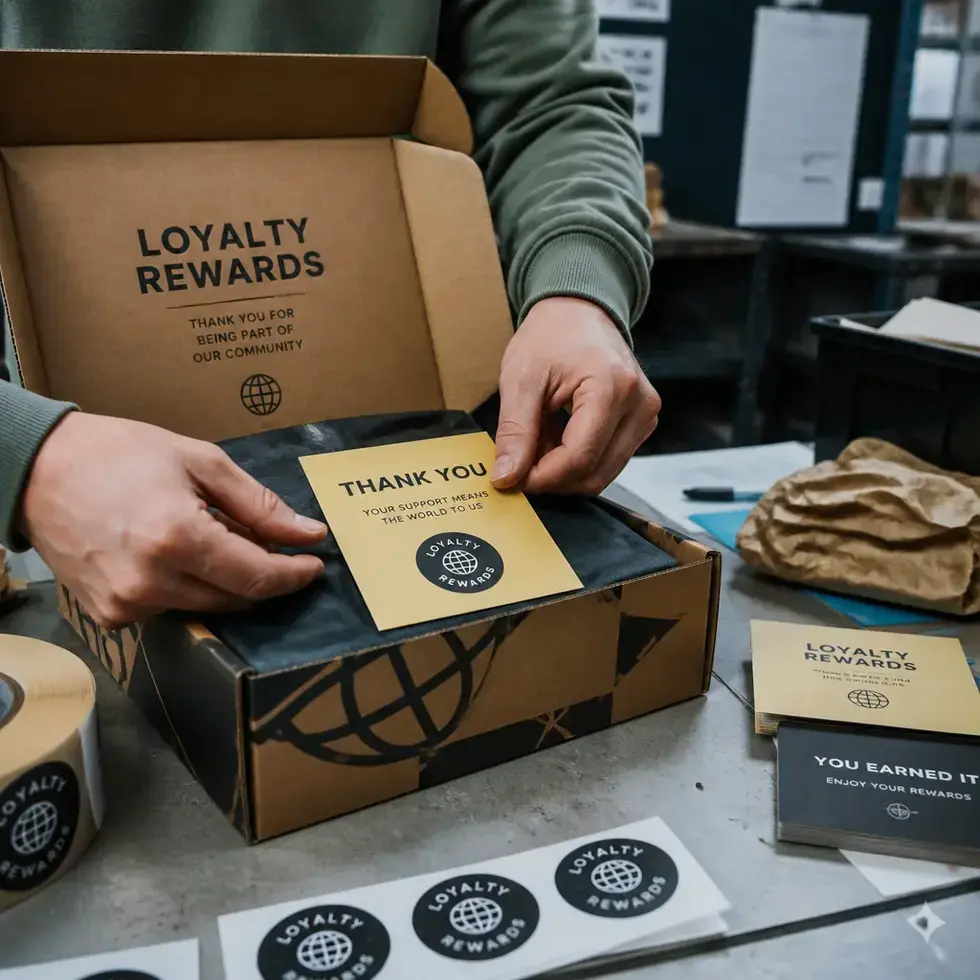
.svg)
.svg)
.svg)
.svg)
.svg)
.svg)
.svg)
.svg)
.webp?width=286&height=206&name=Frame%201171276203%20(11).webp)
.svg)
.svg)
.svg)
.svg)
.webp?width=286&height=206&name=ROI%20Calculator%20(3).webp)
.svg)

.svg)
.svg)
.svg)
.webp?width=286&height=206&name=ROI%20Calculator%20(4).webp)
Post-Purchase Behavior: How to Build Loyalty and Drive Repeat Sales?


Ready to delight customers after checkout?
Trusted by 600+ brands
In this blog
Introduction
Most ecommerce teams see checkout as the finish line, but the customer experience continues after the purchase. The sale is the moment a customer starts forming an opinion about whether they'll buy from you again.
What happens after checkout can shape the entire customer experience. Tracking updates, delivery, the first product experience, and even a return can influence whether a customer comes back or moves on.
That stretch after the Buy button is called the post-purchase phase, and the customer's actions and feelings during it are their post-purchase behavior. Get it right and a one-time buyer becomes a repeat customer who spends more and refers others. Get it wrong and you pay to acquire the same shopper twice.
The economics make the case on their own. Winning a new customer can be expensive. In fact, Harvard Business Review reports that acquiring a new customer can cost five to 25 times more than retaining an existing one.
As acquisition costs continue to rise, keeping the customers you already have becomes even more valuable. Every customer you retain through a better post-purchase experience is a customer you don't have to buy back.
What Is Post-Purchase Behavior?
Post-purchase behavior is everything a customer thinks, feels, and does after they complete a transaction: how satisfied they are with the product, how the delivery went, whether support resolved their issue, and whether they come back, leave a review, or tell a friend.
A good experience builds trust and repeat purchases. A bad one produces post-purchase dissonance (buyer's remorse) that leads to cancellations, returns, negative reviews, and churn. The gap between what a customer expected and what they actually experienced is where dissonance lives, and where brands can intervene.
The components that shape it
-
Expectations vs. reality: Did the product match the listing, photos, and promises?
-
Order confirmation and tracking: Does the customer know where their order is without having to ask?
-
Ease of support: Can they resolve a problem quickly, on the channel they prefer?
-
The return experience: Is sending something back simple, or a reason never to order again?
-
Loyalty triggers: What prompts a review, a referral, or a second order?
Why Post-Purchase Behavior Drives Ecommerce Growth?
In a market where shoppers have endless alternatives, the post-purchase experience is one of the few things a brand fully controls. It lowers churn, lifts customer lifetime value, and reduces how much you have to spend on acquisition to hit the same revenue.
The returns experience alone shows how high the stakes are. In its 2025 Retail Returns Landscape, the National Retail Federation and Happy Returns estimate that 19.3% of online sales will be returned in 2025, with total US returns near $850 billion. More telling for retention: about 71% of consumers say they are less likely to shop with a retailer again after a poor returns experience, up from 67% the year before.
Delivery visibility carries similar weight. In Sifted's 2025 consumer delivery survey, 63% of shoppers called full visibility across the delivery process essential, and nearly half said they stop buying from a brand after a poor delivery or packaging experience. The post-purchase window isn't a cost center to minimize. It's a retention lever.
What strong post-purchase behavior produces
-
Repeat purchases and higher retention
-
Brand loyalty that outlasts a single order
-
Lower acquisition cost per dollar of revenue
-
Referrals and organic reviews from satisfied buyers
-
Fewer negative reviews and support escalations
7 Ways to Improve Post-Purchase Behavior and Boost Retention
A deliberate post-purchase strategy turns first-time buyers into repeat customers. These seven moves reduce dissonance, cut avoidable support volume, and give people a reason to come back.
1. Communicate clearly and proactively after checkout
Uncertainty is the enemy of a good post-purchase experience. When customers don't know where their order is, they open a support ticket, and "Where is my order?" (WISMO) is one of the most common, most preventable ticket types in ecommerce.
Proactive updates at each milestone, order confirmed, shipped, out for delivery, delivered, keep expectations aligned and stop customers from chasing you. Be honest about delays, backorders, and split shipments before the customer notices something is wrong.
-
Send a detailed order confirmation with a clear summary and next steps.
-
Use a branded tracking page instead of dumping customers on a carrier site.
-
Notify at every milestone over email and SMS, the channels US shoppers actually check.
-
Flag delays or partial shipments early, with a realistic new estimate.
2. Make returns and refunds easy to reduce dissonance
A confusing or restrictive return policy magnifies buyer's remorse. A simple one does the opposite: it lowers the perceived risk of buying in the first place. Free returns now factor into the purchase decision for 82% of consumers, per the NRF/Happy Returns 2025 report, and 76% prefer options that give them an instant refund or exchange.
An exchange also protects revenue that a refund would send out the door. Making exchanges the default path when a customer wants a different size or color keeps the sale while still solving the problem.
-
Offer self-service returns with clear steps and prepaid labels.
-
Lead with exchanges and store credit before defaulting to a refund.
-
Process refunds fast, slow refunds are a top complaint.
-
Publish the return policy on the product page and in confirmation emails, not buried in a footer.
3. Use personalized follow-ups to reinforce the decision
A well-timed follow-up reassures a customer that they chose well. It also creates a reason to re-engage that doesn't feel like a sales push.
-
Send a thank-you with setup tips or a quick-start guide for the product they bought.
-
Recommend complementary items based on the actual purchase, not a generic bestseller list.
-
Share care instructions, FAQs, or how-tos that help them get value from the product.
-
Trigger outreach on behavior, a repeat site visit, a browsed category, rather than on a fixed calendar.
4. Deliver support that resolves issues fast
Support quality shapes post-purchase behavior more than almost anything else. A problem solved quickly can leave a customer more loyal than if nothing had gone wrong at all. A problem that drags on does lasting damage.
-
Offer live chat and a well-stocked help center for instant answers.
-
Give higher-value orders a faster or dedicated support path.
-
Deflect repetitive WISMO tickets with self-serve tracking so agents can focus on real issues.
-
Measure CSAT after resolution and act on the low scores.
5. Drive repeat orders with subscriptions and replenishment
For consumables, the easiest way to earn the next order is to remove the decision entirely. Subscription and replenishment options turn a one-time buyer into recurring revenue with almost no friction.
- Offer a subscribe-and-save option at a modest discount.
- Send replenishment reminders timed to the product's real usage cycle.
- Surface the subscription option on the confirmation page, when intent is highest.
6. Ask for feedback and reviews at the right moment
Reviews build trust for future buyers and give you an early signal when something is off. Timing matters: ask after the customer has had the product long enough to form an opinion, usually five to ten days post-delivery.
-
Request a review 5–10 days after delivery, not the moment it ships.
-
Offer a small incentive, loyalty points or a discount on the next order.
-
Route unhappy responses to support before they become public reviews.
-
Feed the patterns back into product, listings, and packaging.
7. Build loyalty with every order
A loyalty program gives repeat behavior a payoff and turns satisfied customers into advocates. The strongest programs reward engagement, reviews, and referrals, not only spend.
-
Earn points for purchases, reviews, and referrals.
-
Use tiers to give your best customers a reason to keep climbing.
-
Surface loyalty status in follow-up emails and the account dashboard.
The Post-Purchase Metrics Worth Tracking
You can't improve post-purchase behavior if you don't measure. A handful of metrics tell you whether the experience is building loyalty or leaking it:
-
Repeat purchase rate: the share of customers who order again, the clearest signal of post-purchase health.
-
Return rate and exchange rate: how often orders come back, and how often you save the sale as an exchange.
-
WISMO ticket volume: a proxy for how well your tracking and notifications are working.
-
Post-purchase NPS or CSAT: satisfaction measured after delivery or after a support interaction.
-
Customer lifetime value: the long-term payoff of getting the experience right.
Turning Post-Purchase Behavior Into a Growth Asset
The post-purchase phase is where a brand proves it's reliable. It's also the phase most teams under-invest in, which makes it one of the clearest opportunities to stand out.
Every touchpoint after checkout, the tracking update, the delivery, the return, the thank-you note, either strengthens the relationship or weakens it. Customers who feel informed and supported come back and bring others. In a market where reacquiring a lost customer costs many times more than keeping one, the brands that treat post-purchase as a strategy, not an afterthought, are the ones that compound.
Where a Post-Purchase Platform Fits?
Doing all of this consistently, at volume, across every carrier and channel, is hard to manage manually. This is where a post-purchase experience platform earns its place. It centralizes the tracking, notifications, exceptions, and returns that shape post-purchase behavior, so the experience holds up whether you ship a hundred orders a week or a hundred thousand.
ClickPost is one such platform, with delivery decisions trained on billions of shipments across 600+ pre-integrated carriers. It maps directly to the problems in this article:
-
Branded tracking and proactive notifications over email, SMS, and WhatsApp keep customers informed at every milestone, which the company reports cuts WISMO inquiries by around 60%.
-
Accurate delivery estimates scored per location, carrier, and SKU set expectations customers can trust, on the product page and the tracking page.
-
Self-serve returns and exchanges with exchange-first flows help brands keep revenue instead of refunding it, ClickPost reports 54% of returns converting to exchanges.
-
Failed-delivery and exception management catches problems before they reach the customer and become a churn event.
The point isn't the tooling for its own sake. It's that proactive visibility and a low-friction returns experience are exactly what the data says drives repeat purchases, and automation is what makes them reliable at scale. (Capabilities per clickpost.ai.)
Frequently Asked Questions
What is post-purchase behavior?
It's how a customer thinks, feels, and acts after buying: their satisfaction with the product and delivery, whether they contact support, and whether they return, review, refer, or buy again. It's shaped by the gap between what they expected and what they actually experienced.
Why does the post-purchase experience matter for ecommerce?
Because it drives retention, and retention is far cheaper than acquisition. Keeping a customer costs a fraction of winning a new one, and the post-purchase phase is where most of that retention is won or lost.
What is post-purchase dissonance?
It's buyer's remorse, the doubt or dissatisfaction a customer feels when the experience doesn't match their expectations. Clear communication, easy returns, and reassuring follow-ups reduce it.
How does delivery tracking affect customer loyalty?
Strongly. In Sifted's 2025 survey, 63% of shoppers called full delivery visibility essential and nearly half said they stop buying from a brand after a poor delivery experience. Proactive tracking also cuts WISMO support tickets.
How can I reduce returns without hurting the experience?
Set accurate expectations up front with detailed listings and reliable delivery estimates, then make the returns path itself easy. Leading with exchanges and store credit, rather than defaulting to refunds, saves the sale while still solving the customer's problem.
What post-purchase metrics should brands track?
Repeat purchase rate, return and exchange rates, WISMO ticket volume, post-purchase NPS or CSAT, and customer lifetime value. Together they show whether the experience is building loyalty or leaking it.
How does automation help post-purchase behavior?
It makes a good experience consistent at scale. Automated tracking, milestone notifications, exception handling, and self-serve returns deliver the same reliable experience across every order and carrier without manual effort.
Does the return experience really affect repeat purchases?
Yes. Per NRF/Happy Returns 2025, about 71% of consumers are less likely to shop with a retailer again after a poor returns experience, and 82% consider free returns when deciding where to buy.
How can ClickPost help improve the post-purchase experience?
ClickPost is a post-purchase experience platform that centralizes branded tracking, proactive notifications, delivery estimates, exception management, and self-serve returns across 600+ carriers, the parts of the journey that most influence whether a customer comes back.





We use cookies to keep the site working, understand usage, and improve your experience. Learn more
Always active for essential site performance and security.
Enables anonymous usage analysis to refine our services.
Used to present relevant promotions and advertising.