.png?width=193&height=27&name=ClickPost%20Logo%20(Blue).png)
.svg)
.svg)
.svg)
.svg)
.webp?width=286&height=206&name=ROI%20Calculator%20(2).webp)
.svg)
.svg)
.svg)
.svg)
.svg)
.svg)
.svg)
.svg)
.svg)
.webp?width=286&height=206&name=Frame%201171276203%20(11).webp)
.svg)
.svg)
.svg)
.svg)
.webp?width=286&height=206&name=ROI%20Calculator%20(3).webp)
.svg)

.svg)
.svg)
.svg)
.webp?width=286&height=206&name=ROI%20Calculator%20(4).webp)
Post-purchase experience in 2026: how U.S. ecommerce brands build loyalty with ClickPost

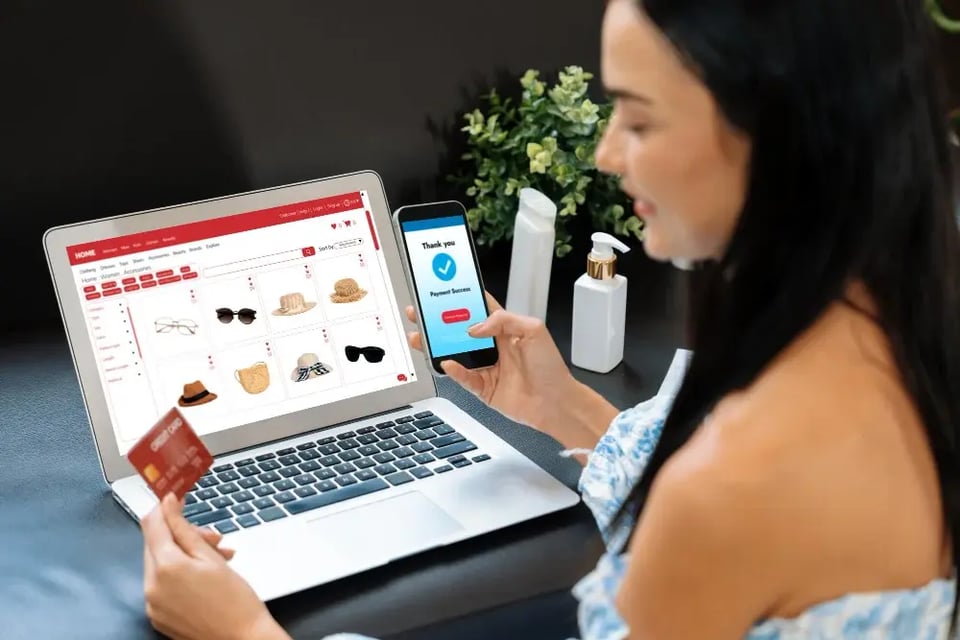
Ready to delight customers after checkout?
Trusted by 600+ brands
In this blog
TL;DR Summary
In 2026, the delivery and returns experience is part of the product experience for U.S. shoppers. Reliability, visibility, flexible returns, and proactive updates now decide whether a first order becomes a second one.
This guide covers what U.S. customers expect after checkout, where most brands lose them, and how a post-purchase platform like ClickPost brings tracking, notifications, returns, and analytics into one operational layer.
Introduction
The moment a customer taps Buy now, a brand's job is only half done. What happens next, the confirmation, the wait, the delivery, and the return if one is needed, is where trust is either earned or lost.
U.S. shoppers now judge the whole experience, and the product is only one part of it. Research from PwC’s Customer Experience Survey shows that 52% of consumers stop buying from a brand after a bad product or service experience, and nearly a third leave due to poor post-purchase CX online.
Speed is no longer the single obsession it once was. McKinsey's consumer research shows delivery speed fell from the top-ranked priority in 2022 to fifth by 2024, overtaken by cost, reliability, and predictability. The signal for brands is clear: the delivery and returns experience is part of the brand promise.
Getting it right builds retention; getting it wrong quietly erases the cost and effort that went into winning the customer. In this article, we will understand how much post-purchase experiences matter for US brands to maintain customer loyalty in 2026.
Understanding the modern post-purchase journey
The post-purchase journey is everything that happens between order confirmation and a satisfied (or frustrated) customer. Five stages matter most:
-
Order confirmation and expectation setting: the first reassurance that the order went through, plus a realistic delivery estimate.
-
Real-time tracking and visibility: keeping customers informed as the order moves from warehouse to doorstep.
-
Delivery execution and exception management: getting the order there on time, and handling it well when something goes wrong.
-
Returns, exchanges, and refunds: making it easy to send something back or swap it, with minimal friction.
-
Feedback, retention, and re-engagement: learning from each delivery and using it to bring customers back.
Exception management deserves attention. A modern post-purchase experience is about more than showing customers where a package is. It also covers what a brand does when a delivery is delayed, missed, or fails.
What U.S. shoppers expect after checkout
Expectations have converged around a few clear priorities.
-
Visibility is now baseline: Baymard's 2026 research found that 51% of online shoppers rank checking order status or delivery tracking among the most important account features an ecommerce site can offer.
-
Reliability beats raw speed: Most shoppers will wait a couple of extra days for a delivery that arrives when promised. McKinsey found that 90% of consumers are willing to wait two or three days for delivery to avoid shipping fees, and they rank on-time arrival above speed.
-
Returns shape the buying decision: NRF's 2025 data shows 82% of consumers consider free returns an important factor when shopping online.
-
Automation is welcome, with a human still in reach: PwC's 2025 research found 49% of consumers are likely to use AI to track an order or delivery, while 86% still say human interaction matters in their brand experience. The practical read: automation should remove friction, and human support should stay available when it counts.
Common post-purchase pain points for U.S. ecommerce
When brands fall short after checkout, the same problems surface repeatedly:
-
Limited visibility into where an order actually is.
-
Missed or vague delivery windows, with early or late arrivals that break trust.
-
No proactive word when something changes, so customers find out by refreshing a tracking page.
-
Returns that are slow, confusing, or costly enough to make someone hesitate before buying again.
These gaps carry a real price. NRF estimates 19.3% of online sales were expected to be returned in 2025, part of roughly $849.9 billion in total U.S. retail returns, with about 9% of returns found to be fraudulent. Returns at that scale sit at the commercial core of the business, which is exactly why handling them well matters.
How US ecommerce brands can improve every stage
This is where logistics technology earns its place. Instead of managing tracking, carrier exceptions, notifications, and returns as separate tools and teams, brands can bring those workflows into one operational layer.
-
Expectation setting: Show an accurate estimated delivery date at checkout and confirm the order immediately. Clear promises early prevent a large share of later complaints.
-
Tracking and visibility: Give customers one branded page that consolidates status across carriers, updated in real time. Because visibility is now a baseline expectation, a self-service tracking page also reduces Where is my order (WISMO) queries.
-
Proactive communication: Trigger updates on the events that matter after purchase: order confirmation, shipment milestones, out-for-delivery, delays, failed delivery attempts, rescheduling, delivery completion, and returns or refunds. Automated messages over SMS, email, and WhatsApp keep customers informed without adding support load.
-
Delivery exceptions: Detect delays and non-delivery reports (NDR) early, alert the customer, and offer self-service rescheduling or address updates before a package cycles back.
-
Returns and exchanges: Offer a self-service returns portal, automated return approvals and pickups, and smart prompts toward exchanges or store credit. Handled well, a return can turn into an exchange and keep the revenue in the business.
-
Feedback and re-engagement: Send an automated NPS survey after delivery and use the responses to find where the journey breaks: late delivery, inaccurate tracking, a damaged package, or a difficult return. Feedback is most useful when it points to a specific operational fix.
ClickPost: turning post-purchase operations into a customer experience
ClickPost is a post-purchase experience platform, the platform brands graduate to as order volumes and customer expectations outgrow basic carrier tools. It connects 600+ carriers through a single API and powers 50M+ monthly shipments, bringing four capabilities together. On visibility, it offers multi-carrier tracking with standardized statuses and branded, self-service tracking pages.
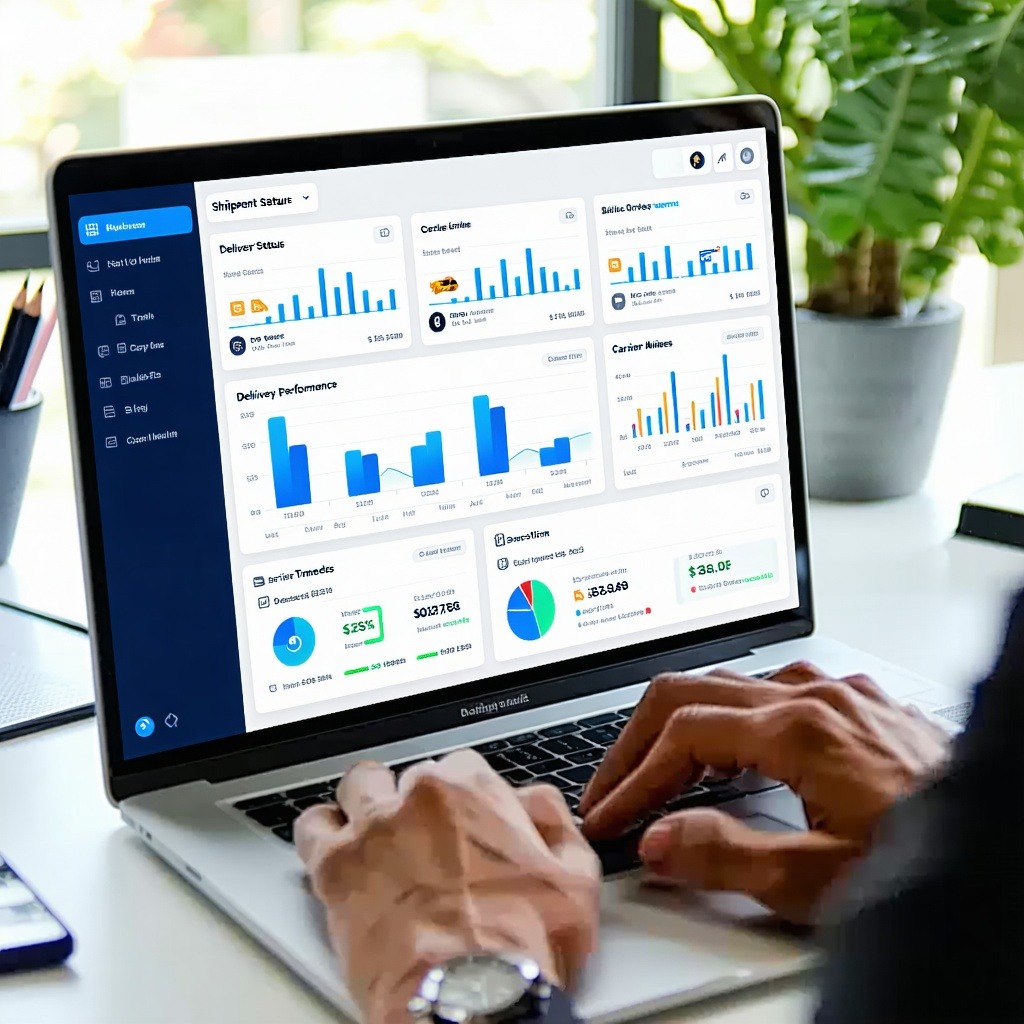
For communication, it sends automated milestone notifications covering delays, NDRs, and delivery exceptions across SMS, email, and WhatsApp. Its returns capabilities include self-service returns, exchange workflows, return tracking, and returns analytics, with ClickPost reporting 54% of returns converted into exchanges and 40% of revenue retained as store credit for brands using its personalized returns policies. And on intelligence, it provides carrier performance analytics, NPS reporting, shipment and exception data, and AI-enabled workflows.
Conclusion
The transaction does not end at delivery. How a brand handles tracking, delays, the delivery itself, returns, and feedback determines whether a customer feels confident enough to buy again. For U.S. shoppers who now expect reliability, visibility, and easy returns as standard, the post-checkout experience has become one of the clearest ways left to compete.
FAQs
What is a post-purchase experience in ecommerce?
The post-purchase experience covers everything after a customer places an order: confirmation, shipment tracking, delivery, and returns or exchanges. It shapes how confident and satisfied customers feel once the sale is complete, and it strongly influences whether they trust the brand enough to buy from it again.
Why is post-purchase experience important for U.S. ecommerce brands?
U.S. shoppers increasingly judge brands on how well delivery and returns work, alongside the product itself. A reliable, well-communicated post-purchase experience builds repeat purchases and loyalty, while a poor one raises support costs and pushes hard-won customers toward competitors after a single bad delivery.
What do U.S. customers expect after placing an online order?
Customers expect an immediate confirmation, an accurate delivery estimate, and real-time tracking they can check themselves. They value reliable, on-time arrival over raw speed, proactive alerts when something changes, and returns that are simple and low-cost. Meeting these expectations consistently is now a baseline requirement rather than a competitive advantage.
How can brands reduce WISMO inquiries?
WISMO, short for where is my order, contacts fall when customers can answer the question themselves. A branded, real-time tracking page, combined with proactive updates at each shipment milestone and early alerts about delays, removes most reasons to contact support. Clear delivery estimates at checkout also reduce anxiety-driven inquiries before an order ships.
Why is real-time shipment tracking important?
Tracking has become a baseline expectation. Baymard's 2026 research found 51% of shoppers rank order status and delivery tracking among the most important account features a site can offer. Real-time visibility reassures customers, reduces support contacts, and gives brands a branded touchpoint during the days a customer is most engaged.
How can ecommerce brands improve the returns experience?
Brands can offer a self-service returns portal, automated approvals and pickups, and clear return policies. Prompting customers toward exchanges or store credit keeps revenue in the business. Since NRF reports 82% of shoppers weigh free returns when buying, an easy, transparent returns process directly supports conversion and repeat purchases.
How does ClickPost improve post-purchase experience?
ClickPost brings tracking, notifications, returns, and analytics into one platform. It connects 600+ carriers through a single API, offers branded tracking pages and automated updates across SMS, email, and WhatsApp, and supports self-service returns and exchanges. Brands also gain carrier performance analytics and NPS reporting to keep improving after each delivery.
What post-purchase metrics should ecommerce brands track?
Useful metrics include on-time delivery rate, WISMO contact volume, failed delivery and NDR rates, return and exchange rates, returns-to-exchanges conversion, notification performance, and post-delivery NPS. Together these show where the journey breaks, which carriers underperform, and how much revenue returns recover, guiding practical operational improvements over time.




We use cookies to keep the site working, understand usage, and improve your experience. Learn more
Always active for essential site performance and security.
Enables anonymous usage analysis to refine our services.
Used to present relevant promotions and advertising.