.png?width=193&height=27&name=ClickPost%20Logo%20(Blue).png)
.svg)
.svg)
.svg)
.svg)
.webp?width=286&height=206&name=ROI%20Calculator%20(2).webp)
.svg)
.svg)
.svg)
.svg)
.svg)
.svg)
.svg)
.svg)
.svg)
.webp?width=286&height=206&name=Frame%201171276203%20(11).webp)
.svg)
.svg)
.svg)
.svg)
.webp?width=286&height=206&name=ROI%20Calculator%20(3).webp)
.svg)

.svg)
.svg)
.svg)
.webp?width=286&height=206&name=ROI%20Calculator%20(4).webp)
How to Optimize Your Shopify Returns Process in 2026



Ready to delight customers after checkout?
Trusted by 600+ brands
In this blog
TL;DR Summary
Optimizing your Shopify returns process reduces costs, retains revenue, and builds customer loyalty — all critical for ecommerce growth in 2026. Tools like ClickPost Returns Plus, combined with automated return labels, self-serve portals, and smart exchange incentives, help Shopify merchants transform returns from a liability into a competitive advantage. Whether you're on Shopify or scaling with a third-party fulfillment partner, a streamlined returns strategy directly impacts revenue retention and customer satisfaction.
Introduction
A customer orders a pair of shoes from your Shopify store. A few days later, they realize the size isn't right and decide to return them.
For the customer, it should be simple. Initiate the return, get the label, send the product back, and know when the refund or exchange is complete.For the merchant, it's a different story. That one return can mean a return request to review, a label to generate, a carrier to coordinate with, inventory to update, and another customer asking, "Where's my refund?"
And as your store grows, these small tasks can quickly add up.
Customers also expect returns to be easy. 82% of consumers say free returns are an important consideration when shopping online, according to the National Retail Federation. That’s why optimizing your Shopify returns process is about more than processing returns faster. It’s about reducing the workload on your team while creating a better post-purchase experience that keeps customers coming back.
In this guide, we'll look at practical ways to streamline Shopify returns, reduce manual work, and retain more revenue.
Key Highlights for Ecommerce Businesses
-
19.3% of online sales were expected to be returned in 2025, according to the National Retail Federation's 2025 Retail Returns Landscape.
-
82% of consumers say free returns are an important consideration when shopping online.
-
A frictionless return process encourages customers to shop with your brand again.
-
Smart returns management reduces refund costs and improves business growth.
-
Customer expectations around returns remain high, making the returns experience an important part of the post-purchase journey.
How a Smooth Shopify Returns Process Drives Repeat Sales and Brand Loyalty
Gone are the days when Shopify returns management was merely an operational necessity. Today, smooth returns and exchanges are a brand-defining experience that can drive repeat business. In a digital-first economy, businesses that fail to prioritize the returns management process risk losing customer loyalty and long-term revenue.
Optimizing the return process transforms it from a sunk cost into a powerful tool for customer engagement, revenue retention, and business operations improvement.
When brands manage returns well, they reduce support tickets, maintain accurate inventory, and build trust through transparency. A poor returns experience can have the opposite effect: 71% of consumers say they're less likely to shop with a retailer again after a poor returns experience, according to NRF.
Key reasons returns optimization matters for Shopify merchants:
-
Higher Customer Retention: A smooth return process encourages repeat customers and promotes brand loyalty.
-
Revenue Retention: Offering store credit or exchanges can reduce the need for full refunds to the original payment method, thereby increasing customer satisfaction.
-
Operational Efficiency: Reducing manual returns frees up internal teams and cuts labor costs.
-
Customer Satisfaction: A positive returns journey enhances customer relationships and supports future purchases.
-
Data Accuracy: Tracking return data and KPIs supports smarter product, pricing, and inventory decisions.
7 Most Common Shopify Returns Challenges in 2026 (And How to Fix Them)
Despite Shopify's popularity, store owners often encounter friction when scaling returns. These operational, logistical, and communication challenges can hinder efficiency and customer satisfaction. According to the latest ecommerce return statistics, addressing these bottlenecks is essential for sustainable growth.
1. Manual and Time-Consuming Return Processes That Slow Down Your Team
Many Shopify merchants still handle returns manually. They spend their time sorting emails, generating return labels, and updating statuses manually. It slows down processing, increases human error, and ties up the customer service team. The case for automating Shopify returns has never been stronger.
Example: A boutique clothing brand that manually manages 40 returns a week can quickly see delays, misplaced orders, and frustrated customer inquiries piling up.
2. Inconsistent Return Policy Enforcement That Frustrates Customers and Causes Cart Abandonment
Without a standardized and visible ecommerce return policy, customers are left guessing about return conditions. This can lead to confusion, disputes, and cart abandonment.
Shopify now allows merchants to configure return windows, return shipping costs, restocking fees, and final-sale items through its return rules. Customers can also submit eligible return requests through self-service returns. Shopify Return Rules
Example: A customer who buys a final-sale item expecting free return shipping later complains, impacting customer satisfaction and potentially resulting in a negative review.
3. Poor Customer Communication During the Returns Journey
Poor communication during the return process erodes trust and weakens brand reputation. Poor communication practices can include issues such as unclear return instructions or delayed updates. Investing in a stronger post-purchase experience resolves this systematically.
Example: A shopper returns a pair of shoes but receives no confirmation or update for a week. The silence results in a support ticket and can turn a one-time return into a lost repeat customer.
A strong post-purchase experience should continue through the return, refund, or exchange — not stop once the original order is delivered.
4. Inventory Management and Restocking Gaps After Returns Are Received
Returns often go untracked in the inventory management system. That can lead to incorrect stock counts or products sitting idle in warehouses.
Example: A skincare product returned in perfect condition is not re-entered into inventory, causing an unnecessary out-of-stock notification for future customers.
5. Reverse Logistics and Return Shipping Cost Challenges for Shopify Stores
Coordinating return shipping, generating return labels, and covering shipping costs are often cumbersome and expensive. Understanding the full scope of logistics costs is the first step toward smarter reverse logistics management.
Shopify gives merchants several ways to handle return shipping, including free return shipping, a flat return shipping fee, or having customers purchase their own label. Shopify Return Rules
Example: A brand offering free return shipping without automation spends hours arranging pickups and incurs unpredictable return shipping costs.
6. How to Prevent Fraudulent Returns and Return Abuse on Shopify
Without rules and checks, stores face return abuse, ranging from worn items to fake claims. These fraudulent returns can lead to revenue loss and inventory damage. Pairing your policy with ecommerce fraud prevention software can reduce exposure.
Example: A customer returns an expensive item with a different or used product inside, but without return inspections in place, the fraud goes undetected.
7. Managing Product Exchanges Without Losing the Sale or the Customer
Exchanges require coordination, such as matching customer preferences with available inventory and managing the exchange process without added delay. A purpose-built Shopify returns app can automate the exchange workflow and reduce the manual effort involved.
Example: A customer requests a size exchange, but the process is manual, slow, and communication is poor. That results in a lost sale and damaged customer loyalty.
7 Proven Strategies to Optimize Your Shopify Returns Process in 2026
Optimizing Shopify returns is not about removing returns altogether. Instead, it is about creating a frictionless process that improves operations and drives revenue. Whether you run a fashion boutique or a high-volume general store, these strategies will help you reduce your ecommerce returns rate while improving the customer experience.
1. How to Proactively Reduce Shopify Returns With Better Product Pages and Preventive Measures
Preventing returns begins with transparency and education at the product page level. Offering detailed product descriptions, size charts, and high-quality images reduces the likelihood of customer regret and unnecessary returns. This is especially important for fashion stores managing Shopify returns, where sizing and fit are common return reasons.
Try this:
-
Add detailed sizing and fit guides
-
Use videos and 360-degree views
-
Highlight materials and care instructions
-
Address common issues in the FAQs
2. How to Build a Streamlined, Self-Serve Shopify Returns Portal That Customers Actually Use
Empowering customers to initiate returns through a dedicated returns portal simplifies the process for both parties. Shopify's self-serve returns feature lets customers submit return requests directly from their order status page without contacting the merchant. Merchants can review requests, approve or decline them, provide shipping instructions, and send return labels. Shopify Self-Serve Returns
Automating return labels and return instructions saves time and improves the customer experience. Brands investing in ecommerce automation can reduce manual processing and improve the overall returns journey.
Try this:
-
Use a branded returns portal on your Shopify store
-
Offer multiple return options, such as drop-off and pickup
-
Generate prepaid return labels automatically
-
Send confirmation emails with expected timeframe details
3. How to Retain Revenue With Exchanges and Store Credit Instead of Full Refunds
Instead of offering refunds by default, encourage customers to choose exchanges or store credit. This strategy keeps the revenue in-house and promotes future purchases. It is one of the most effective tactics to consider when looking at how Shopify returns apps reduce return rates while protecting margins.
Try this:
-
Offer bonus discounts with store credit
-
Simplify the exchange process for size or color changes
-
Enable instant exchanges where your payment and inventory setup supports them
4. Automate Backend Return Processing for Maximum Operational Efficiency and Fewer Errors
Using automated tools and integrating returns into your inventory management system can streamline backend workflows and reduce errors. Understanding the real difference between a Shopify returns app vs. manual returns makes the ROI of automation clearer.
Try this:
-
Auto-tag return requests by reason, such as defective or wrong size
-
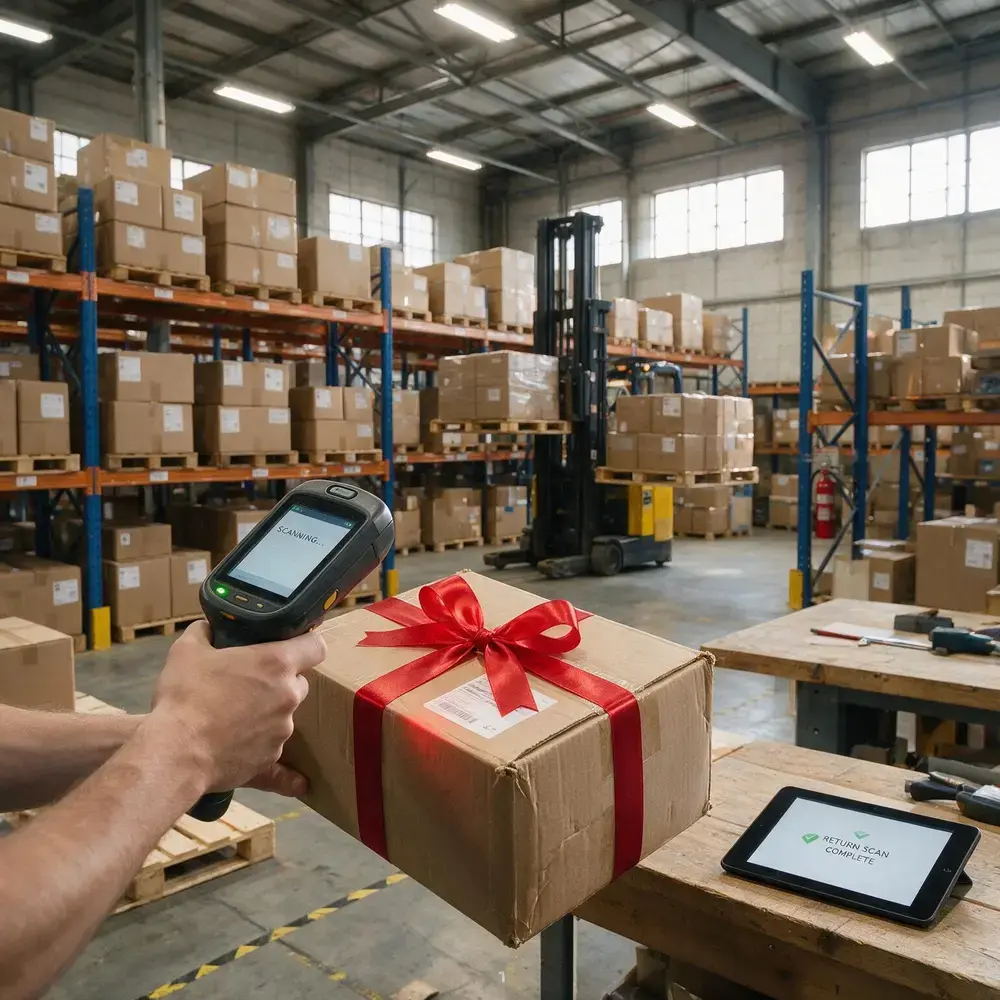
Use barcodes to scan returned items into inventory
-
Set smart rules for restocking and refund methods
-
Auto-assign returns to warehouse staff
5. Use Shopify Return Data and Analytics to Continuously Improve Product Listings and Reduce Return Rates
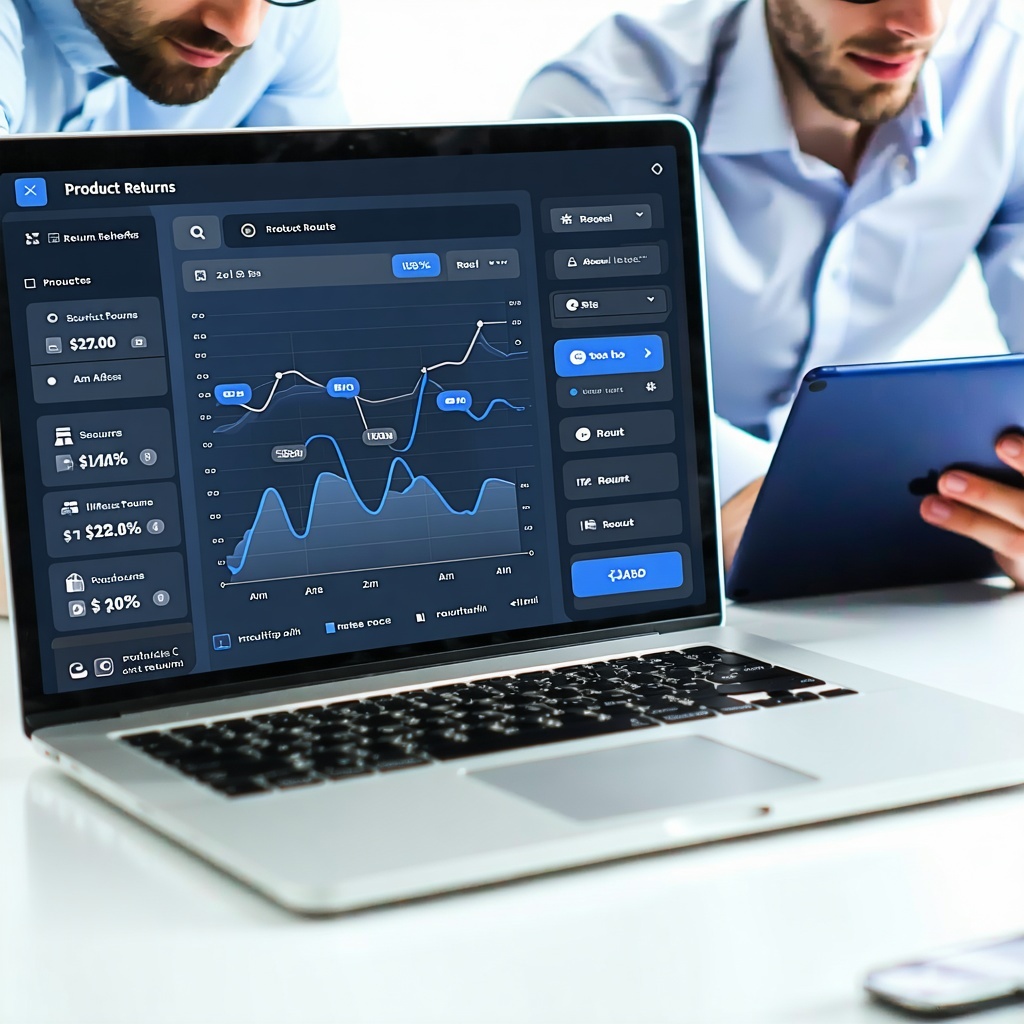
Returns data can reveal product flaws, customer behavior, and revenue gaps. Regularly review return data to spot patterns and optimize strategies. Combining returns analytics with broader ecommerce analytics and reporting tools gives you a complete picture of where products or descriptions may be falling short.
Try this:
-
Track returns by SKU, location, or time period
-
Identify the most returned products online and revise listings
-
Collect customer feedback post-return
6. How to Write a Clear, Accessible Shopify Return Policy That Sets Customer Expectations Upfront
Make your return policy easily accessible and straightforward. Customers expect clarity on eligibility, return shipping costs, and refund methods. Studying the best and worst return policy examples from top brands can help you craft a policy that builds confidence before purchase. You should also align your returns policy with your broader shipping policy so customers have a consistent experience from purchase to return.
Shopify currently lets merchants configure return windows, return shipping costs, restocking fees, and final-sale items as part of their return rules. Shopify Return Rules
Try this:
-
Add a dedicated returns policy page
-
Use plain language and visuals
-
Clarify refund options, including original payment method vs. store credit
-
Include contact details and turnaround times
7. How to Cut Manual Work by Automating Return Label Generation on Shopify in 2026
Automating return shipping labels reduces support load and expedites the entire process. It ensures that customers receive return labels quickly while cutting down on delays. Explore how leading returns management software platforms handle this at scale for high-volume Shopify merchants. You may also want to look at how reverse logistics software can integrate label generation with your broader fulfillment stack.
Try this:
-
Use third-party Shopify returns apps with automation
-
Provide return shipping labels via email or the customer dashboard
-
Pre-fill customer and product data for label generation
For US-based Shopify orders, Shopify can create return labels directly in the admin when both the merchant's primary location and the customer's shipping address are in the United States. Shopify: Managing Self-Serve Returns
How ClickPost Returns Plus Transforms the Shopify Returns Experience for Growing Merchants
For Shopify merchants serious about scaling efficiently, ClickPost Returns Plus offers a powerful solution to transform returns into a strategic advantage. It eliminates manual steps, integrates returns data into business workflows, and enhances customer engagement through intuitive automation. Unlike basic native tools, it gives you the control and visibility needed to run returns as part of a broader post-purchase platform.
What ClickPost Returns Plus offers Shopify merchants:
-
Branded, self-service returns portal integrated into your Shopify store
-
Auto-generated return shipping labels with multi-carrier courier selection
-
Configurable rules for refunds, exchanges, and store credit
-
Unified dashboard to manage returns, refunds, and restocking
-
Real-time notifications to keep customers informed at every step — similar to how a branded tracking page builds trust during outbound delivery
ClickPost Returns Plus helps you manage returns intelligently and profitably. It aligns with your brand tone, supports high-volume merchants, and improves customer satisfaction with automated returns and transparent processes.
The bigger opportunity is to treat returns as part of the entire post-purchase experience, not as a standalone operational task. When customers can initiate a return easily, receive timely updates, and choose an exchange or store credit, the experience can protect both customer relationships and revenue.
If you're ready to simplify, scale, and transform returns, book a personalized demo with ClickPost today.
Start Optimizing Your Shopify Returns Process Today and Turn Returns Into Revenue
Returns are not a liability, but an opportunity to re-engage your customers and refine your operations. Shopify store owners who treat the returns process as a core business function, rather than a backend chore, are far more likely to build lasting customer relationships.
Whether it is streamlining communication, incentivizing exchanges, or deploying automated returns tools, the way you manage returns today defines your brand tomorrow.
As the Shopify ecosystem evolves, so must your approach to returns. Embrace proactive, tech-driven, and customer-centric returns management as a pillar of ecommerce success.
From reducing manual returns to encouraging store credit and enhancing the post-purchase journey for ecommerce brands, every strategic improvement contributes to revenue retention, brand trust, and future sales. Understanding how supply chain leaders cut costs with returns solutions can further inspire your optimization roadmap. The time to optimize is now.
Frequently Asked Questions About Optimizing Shopify Returns in 2026
What is the best way to handle returns on Shopify and reduce refund rates?
The best way to handle returns on Shopify is to combine a clear return policy with a self-serve returns experience and automated return label generation. Using a dedicated Shopify returns app like ClickPost Returns Plus allows merchants to automate approvals, offer store credit or exchanges, and improve visibility across the return journey.
How do I reduce my Shopify store's return rate in 2026?
To reduce your Shopify store's return rate, focus on preventive measures first: improve product descriptions, add size guides, and use high-quality images. On the backend, track return KPIs to identify patterns and address root causes. Incentivizing exchanges over refunds can also reduce the financial impact of returns. You can also review ecommerce return statistics to benchmark your store's performance.
How can I automate Shopify return label generation for my store?
You can automate Shopify return labels by using Shopify's native return capabilities or integrating a returns management app that connects with multiple carriers. Shopify allows eligible US-based merchants to create return labels directly in the Shopify admin, while third-party solutions can provide broader multi-carrier workflows and automation. Shopify: Managing Self-Serve Returns
What should a Shopify return policy include to protect my store and satisfy customers?
A strong Shopify return policy should clearly state the return window, eligible items, condition requirements, available refund methods, who covers return shipping, and any final-sale exclusions. Shopify's return rules support settings for return windows, return shipping costs, restocking fees, and final-sale products. Shopify Return Rules
How do I prevent return fraud and return abuse on my Shopify store?
To prevent return fraud on Shopify, implement condition-based return rules, photo proof requirements where appropriate, and item inspection workflows. Using ecommerce fraud prevention software alongside your returns platform can add another layer of protection against abuse and fraudulent claims.
How can I improve the post-purchase experience for customers who make a return?
Make the return journey as transparent as the original delivery experience. Give customers a simple way to initiate the return, provide clear instructions, send automated status updates, and make refund or exchange timelines easy to understand. A strong post-purchase experience should continue until the return is fully resolved.
Should Shopify stores offer exchanges instead of refunds?
Yes, when it makes sense for the product and customer. Exchanges can help retain revenue when a customer still wants the product but needs a different size, color, or variant. Make the exchange process simple and visible alongside the refund option.
What Shopify return metrics should ecommerce brands track?
Track return rate, return reasons, return cycle time, refund processing time, exchange rate, store-credit adoption, return shipping cost, return-related support tickets, and repeat purchase rate after a return. Tracking these metrics by SKU, location, product category, and carrier can help identify the root causes behind returns.
When should a Shopify store use returns management software?
Shopify's native tools can be sufficient for smaller stores with straightforward return workflows. A dedicated returns management platform becomes more valuable as return volume increases or when you're managing multiple carriers, complex return rules, exchanges, store credit, multiple fulfillment locations, and a growing customer-support workload.
How does ClickPost help with Shopify returns?
ClickPost helps Shopify merchants manage returns and exchanges through a branded self-service experience, automated workflows, return shipping and carrier connectivity, reverse tracking, customer notifications, and returns analytics. It connects the returns journey with the broader post-purchase experience instead of treating returns as a standalone backend task.




We use cookies to keep the site working, understand usage, and improve your experience. Learn more
Always active for essential site performance and security.
Enables anonymous usage analysis to refine our services.
Used to present relevant promotions and advertising.