.png?width=193&height=27&name=ClickPost%20Logo%20(Blue).png)
.svg)
.svg)
.svg)
.svg)
.webp?width=286&height=206&name=ROI%20Calculator%20(2).webp)
.svg)
.svg)
.svg)
.svg)
.svg)
.svg)
.svg)
.svg)
.svg)
.webp?width=286&height=206&name=Frame%201171276203%20(11).webp)
.svg)
.svg)
.svg)
.svg)
.webp?width=286&height=206&name=ROI%20Calculator%20(3).webp)
.svg)

.svg)
.svg)

.svg)
.webp?width=286&height=206&name=ROI%20Calculator%20(4).webp)


In this blog
TL;DR – Summary
3PL software drives fulfillment efficiency through automation and integrations, but no single platform serves every business size, channel, or delivery model equally well.
-
ShipBob – Best for eCommerce distributed warehousing fulfillment
-
Easyship – Best for global carrier comparison and shipping automation
-
ShipHero – Best for picking, packing, and shipping automation
-
Fulfillment by Amazon (FBA) – Best for Amazon marketplace sellers needing Prime
-
FarEye – Best for last-mile delivery and predictive analytics
-
CartonCloud – Best for small to mid-sized logistics companies
-
ShipMonk – Best for multi-channel eCommerce inventory management
-
Deposco – Best for AI-powered demand forecasting and supply chain
What Is 3PL Software and Why Does Your Business Need It in 2026?
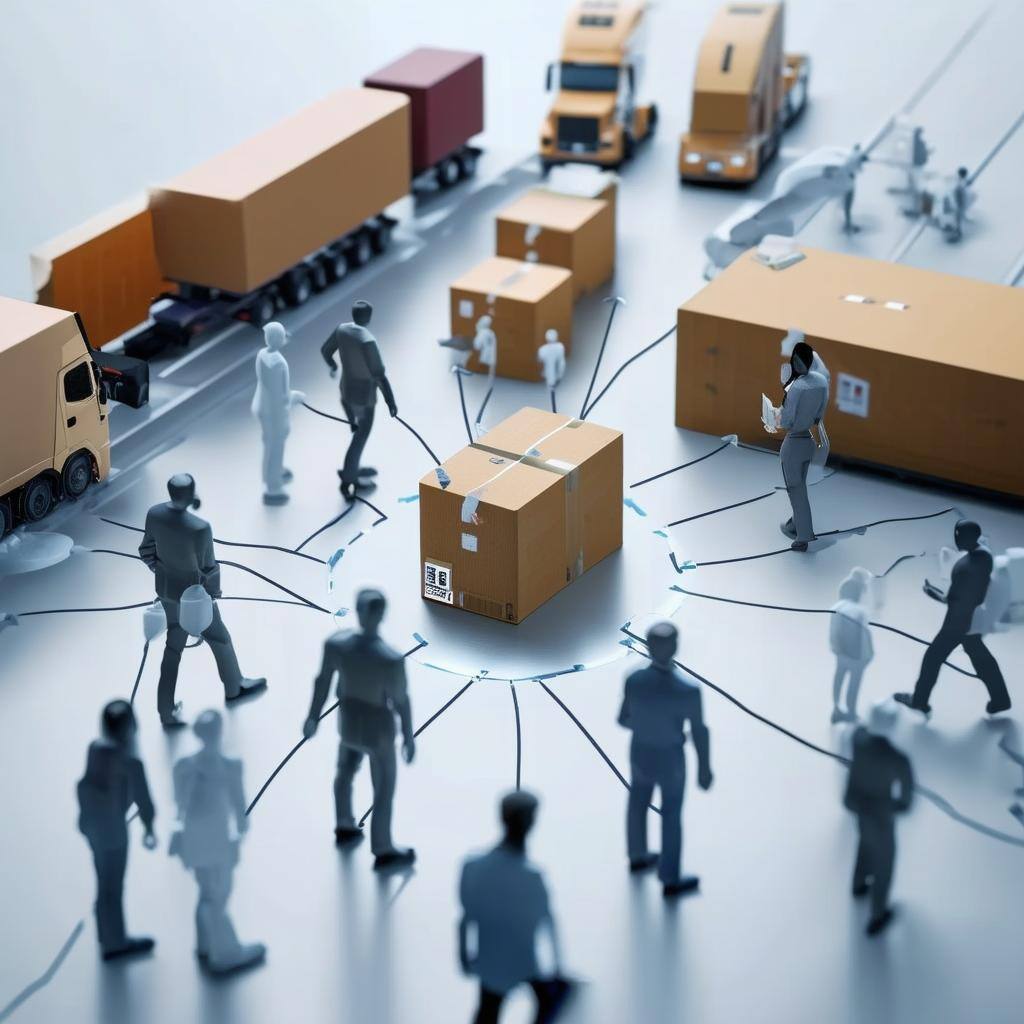
The rise of eCommerce and global trade has pushed businesses to seek more efficient, scalable, and automated logistics solutions. Manually managing fulfillment, warehousing, and order tracking is no longer an option for companies that want to remain competitive. That is where 3PL software steps in. It transforms third-party logistics (3PL) operations through advanced automation, real-time visibility, and smooth integrations with eCommerce platforms and carrier services.
An efficient third-party logistics (3PL) software solution is helpful for businesses handling large-scale logistics. It enables them to improve warehouse management systems, optimize inventory management, and enhance customer satisfaction. Whether you are a small business looking for cost-savvy fulfillment solutions or a large enterprise managing multiple warehouses, selecting the right 3PL software is crucial.
The numbers speak for themselves:
-
The global 3PL market was valued at $1.19 trillion in 2023.
-
By 2032, this market is expected to reach $2.43 trillion, doubling within a decade.
-
Order fulfillment inefficiencies cost businesses millions in lost revenue annually.
As businesses scale, their logistics needs evolve, and investing in the right 3PL software becomes essential. But what exactly is 3PL software, and how does it help businesses reduce shipping costs, upgrade supply chain management, and improve overall logistics processes? For broader context, it also helps to review the latest third-party logistics statistics shaping the industry in 2026.
Key takeaways:
-
3PL software enhances order fulfillment, inventory tracking, and warehouse operations, ensuring smoother logistics management.
-
The right software reduces costs, improves workflow, and integrates seamlessly with eCommerce stores.
-
Real-time visibility, automation, and streamlined processes are key benefits of a robust 3PL management software.
-
Businesses must carefully select a third-party logistics 3PL solution that aligns with their warehouse management and fulfillment needs.
What Is 3PL Software? How It Works for Third-Party Logistics Providers
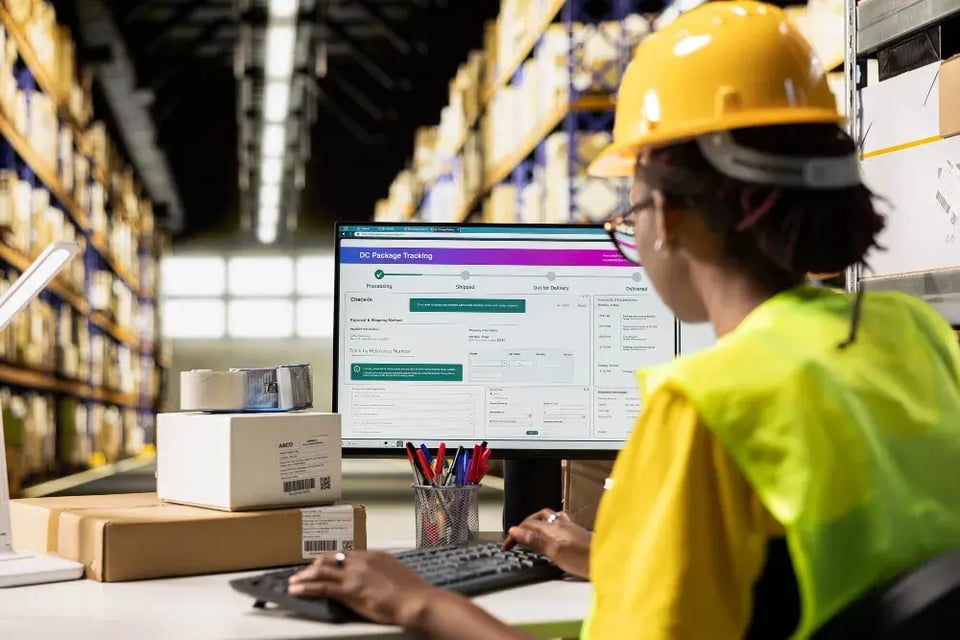
3PL software is a technology-driven solution designed to streamline, automate, and optimize the logistics operations of third-party logistics providers. It manages a broad spectrum of logistics processes, including order fulfillment, warehouse operations, inventory tracking, and shipping management.
For businesses relying on third-party logistics providers, 3PL software acts as a centralized system. It integrates multiple sales channels, automates order processing, and provides complete information on warehouse inventory levels. By eliminating manual inefficiencies, businesses can save time, reduce operational costs, and optimize warehouse resources. This is especially valuable when managing eCommerce logistics across multiple channels simultaneously.
Key Benefits of 3PL Software for eCommerce and Enterprise Logistics in 2026
-
Real-time tracking of inventory and shipments.
-
Automation of warehouse management and order fulfillment.
-
Integration with eCommerce stores, shipping carriers, and ERP systems.
-
Scalability to accommodate growing business needs.
-
Enhanced visibility into logistics operations for data-driven decision-making.
Businesses using 3PL management software gain a competitive edge by reducing warehouse inefficiencies, cutting down shipping costs, and ensuring seamless eCommerce fulfillment operations.
What to Look for in 3PL Software: 7 Must-Have Features Before You Buy
As the demand for third-party logistics solutions grows, businesses must carefully assess which 3PL software aligns best with their needs. Not all 3PL warehouse software tools are built the same, and choosing the wrong software can lead to higher operational costs and inefficiencies. Here are the key factors to consider:
How to Evaluate eCommerce Platform Integrations in 3PL Software
A 3PL software must integrate effortlessly with eCommerce stores like Shopify, Magento, WooCommerce, and Amazon, ensuring smooth order processing and inventory synchronization. Understanding the capabilities of dedicated eCommerce shipping software can help you benchmark what strong integrations should look like.
1. Does the 3PL Software Offer Live Order Tracking and Real-Time Shipment Visibility?
Businesses need full visibility over their fulfillment processes—from warehouse inventory levels to real-time shipment tracking—to improve order accuracy and enhance customer satisfaction. The benefits of automated shipment tracking extend well beyond just visibility, helping reduce customer service inquiries and improve delivery success rates.
2. What Advanced Inventory Management Capabilities Does It Include?
A strong inventory management system ensures businesses can track stock levels, prevent overselling, and optimize warehouse storage for better performance.
3. How Does 3PL Software Automation Improve Warehouse Efficiency?
Automated workflows, from order processing to shipping label generation, help save time and eliminate manual errors in warehouse management.
4. Is the 3PL Software Scalable Enough to Support Business Growth?
A growing business needs scalable 3PL software that can handle increased order volumes, expanding warehouses, and multiple fulfillment locations. Businesses exploring growth options may also benefit from reviewing top order fulfillment services to understand what scalable outsourcing looks like in practice.
5. What Analytics and Reporting Tools Does It Provide for Data-Driven Logistics Decisions?
Businesses should optimize logistics operations using insights from real-time reports on order trends, warehouse efficiency, and shipping performance.
6. Does It Include a Customer Portal for Transparent Order Communication?
Allowing customers to track their own orders, shipments, and inventory levels improves transparency and trust in third-party logistics operations. A robust branded tracking page can significantly elevate the post-purchase experience.
7. How to Evaluate the Pricing Model of a 3PL Software Solution: Subscription vs. Usage-Based
The right 3PL warehouse software should offer a cost-saving solution without hidden fees. It should ensure that businesses can reduce costs while maintaining high operational efficiency.
By focusing on these key factors, businesses can select a 3PL software solution that enhances warehouse efficiency, reduces fulfillment delays, and ensures seamless logistics management.
Key Features of Third-Party Logistics (3PL) Software Explained
%20Software.webp?width=1000&height=905&name=Key%20Features%20of%20Third%20Party%20Logistics%20(3PL)%20Software.webp)
An efficient 3PL software must include essential features that enhance warehouse management, inventory tracking, and shipping processes. Below are the most critical features to look for:
1. Real-Time Shipment and Inventory Tracking Across All Fulfillment Locations
Real-time tracking ensures businesses can monitor shipments, track inventory levels, and oversee order fulfillment. It enhances customer satisfaction and reduces shipping errors.
By integrating tracking tools with major shipping providers, businesses can provide insights into order movement, ensuring timely deliveries and minimizing delays in fulfillment operations. Learn more about how package and parcel tracking software supports this process. Understanding how a shipment tracking platform improves customer experience can help businesses justify the investment in real-time visibility tools.
2. Automated Invoicing and Billing for 3PL Providers
Automated billing solutions eliminate manual invoicing errors, reducing time spent on processing payments and tracking overall costs.
With automated invoicing, businesses can streamline financial operations while maintaining compliance with industry standards.
3. Inventory Management: How 3PL Software Prevents Stockouts and Overselling
An efficient inventory management system ensures businesses can monitor stock levels, optimize warehouse storage, and prevent overselling.
This feature helps companies reduce costs, improve warehouse management systems, and fulfill orders without inventory shortages or surplus stock. Working with experienced inventory management companies can also complement software-driven stock control.
4. Order Management: Automating Order Processing Across Multiple Sales Channels
A strong order management system allows businesses to process orders, manage sales channels, and track fulfillment operations seamlessly.
This feature enhances efficiency by automating order processing, updating order statuses, and syncing real-time sales data.
5. Seamless Integrations with eCommerce Platforms, ERP Systems, and Shipping Carriers
Top 3PL software solutions integrate easily with online stores, ERP systems, and warehouse management software to ensure smooth operations.
By integrating various logistics tools, businesses can scale their operations while maintaining efficiency in warehouse and fulfillment processes. Explore how multi-carrier shipping software extends these integrations further.
6. Analytics and Reporting to Optimize 3PL Logistics Performance
Data-driven insights allow businesses to track key performance metrics, identify inefficiencies, and optimize logistics strategies.
With real-time analytics, businesses can make informed decisions, reducing operational bottlenecks and improving fulfillment rates.
7. Returns Management: How 3PL Software Handles Reverse Logistics Efficiently
Efficient return handling is crucial for customer satisfaction and cost-effective logistics. A 3PL management software should include return tracking, automated refund processing, and inventory restocking tools.
It reduces manual workload, improves customer retention, and ensures better inventory management post-returns. See how dedicated returns management software complements these capabilities, and explore the broader scope of reverse logistics strategy for eCommerce businesses. For businesses looking to automate this process end-to-end, learning how to automate return label generation and refund processing is a valuable next step.
10 Best 3PL Software Platforms in 2026: Compared by Features, Pricing, and G2 Rating
Selecting the right third-party logistics software can significantly impact a company's efficiency in handling its fulfillment and logistics services. The right system enhances automation, integrates seamlessly with existing operations, and improves clients' inventory, shipping, and order workflows. Below, we explore the 10 best 3PL software tools that stand out in 2026 for their features, efficiency, and ability to support businesses of all sizes.
1. ShipBob: Best 3PL Software for eCommerce Fulfillment and Distributed Warehousing
ShipBob is a leading warehouse management system built for eCommerce fulfillment and third-party logistics providers. It simplifies inventory tracking, order processing, and shipping, ensuring fast and economical delivery for both you and your clients.
Key Features
-
Real-time analytics to monitor orders and fulfillment speed.
-
AI-powered automation for accurate inventory forecasting.
-
Distributed fulfillment network to minimize shipping times.
-
Integrations with major eCommerce stores for streamlined operations.
ShipBob follows a per-order pricing structure based on storage, fulfillment, and shipping costs, with a minimum spend requirement.
G2 Rating: 3.7/5
2. Easyship: Best Cloud-Based 3PL Software for Global Carrier Comparison and Shipping Automation
Easyship is a cloud-based solution that connects clients with global carriers. It offers a comprehensive approach to shipping automation and cost comparison, making it especially useful for businesses managing international shipping across multiple regions.
Key Features
-
Pre-negotiated carrier rates for competitive pricing.
-
Automated label printing and customs clearance.
-
Multi-currency payment support for international fulfillment.
-
Address validation to prevent delivery failures.
Pricing starts at $29 per month, with free trials available for new users.
G2 Rating: 4.3/5
3. ShipHero: Best 3PL Warehouse Software for Picking, Packing, and Shipping Automation
ShipHero is a cloud-based system designed to help companies optimize fulfillment operations by automating picking, packing, and shipping.
Key Features
-
Multi-warehouse management system for distributed fulfillment.
-
Barcode scanning for order accuracy and inventory tracking.
-
Automated order routing for the most efficient shipping.
-
Powerful analytics dashboards to provide insights into logistics performance.
ShipHero offers custom pricing based on order volume and fulfillment needs.
G2 Rating: 4.4/5
4. Fulfillment by Amazon (FBA): How Amazon's 3PL Service Works for eCommerce Sellers
Amazon's FBA program is a widely used third-party logistics service. It allows businesses to store products in Amazon's warehouses while Amazon handles fulfillment and shipping.
Key Features
-
Access to Amazon Prime for fast shipping benefits.
-
Automated order processing and customer support.
-
Inventory storage and return handling through Amazon's global network.
-
Easy integration with the Amazon marketplace.
FBA pricing varies based on product size, weight, and storage duration.
G2 Rating: 4.4/5
5. FarEye: Best 3PL Software for Last-Mile Delivery Automation and Predictive Analytics
FarEye is an advanced logistics automation platform designed to improve delivery efficiency through real-time tracking and predictive analytics. Its capabilities are especially relevant for businesses looking to strengthen last-mile delivery performance.
Key Features
-
Automated dispatching for better fulfillment efficiency.
-
Predictive analytics for smarter logistics decisions.
-
AI-driven delivery scheduling to reduce delays.
-
Comprehensive reports to provide insights on shipping trends.
FarEye offers custom pricing based on operational scale and services required.
G2 Rating: 4.8/5
6. CartonCloud: Best 3PL WMS and TMS Software for Small to Mid-Sized Logistics Companies
CartonCloud is a 3PL-focused warehouse and transport management system designed to simplify logistics operations. Built for small to mid-sized logistics companies, it streamlines everything from order management to delivery routing.
Key Features
-
Integrated WMS and TMS for end-to-end logistics control.
-
Automated invoicing and rate cards for faster billing.
-
Secure software integrations.
- Mobile app for real-time warehouse scanning and POD uploads.
Pricing is available upon request, with tailored plans based on business needs. Free demos are available.
G2 Rating: 4.8/5
7. ShipMonk: Best 3PL Platform for Multi-Channel eCommerce Fulfillment and Inventory Management
ShipMonk specializes in eCommerce fulfillment. It helps companies manage inventory, shipping, and order processing from a unified platform.
Key Features
-
AI-driven inventory tracking to optimize stock management.
-
Discounted carrier rates for cost savings.
-
Multi-channel fulfillment support across major marketplaces.
-
Scalable fulfillment network to support growing businesses.
Pricing is available upon request based on business needs.
G2 Rating: 3.8/5
8. Deposco: Best 3PL Software for AI-Powered Demand Forecasting and Supply Chain Control
Deposco is a third-party logistics solution that provides a scalable fulfillment system, ensuring clients have complete control over their eCommerce supply chain management.
Key Features
-
AI-powered demand forecasting to prevent stockouts.
-
Automated fulfillment workflows to improve efficiency.
-
Customizable reporting tools for data-driven decisions.
-
Seamless integrations with major ERP systems.
Deposco's pricing is customized based on order volume and services needed.
G2 Rating: 4.2/5
9. 3PL Central: Best Warehouse Management Software for Multi-Client 3PL Operations
3PL Central is a warehouse management system designed to optimize third-party logistics operations through automated workflows and multi-client management.
Key Features
-
Advanced order routing for better fulfillment efficiency.
-
Multi-client inventory tracking with real-time updates.
-
Integration with major carriers for seamless shipping.
-
Custom billing automation to streamline invoicing.
Pricing follows a subscription model based on warehouse locations and transaction volumes.
G2 Rating: 4/5
10. Extensiv: Best Cloud-Based 3PL Software for Large-Scale Fulfillment Automation
Extensiv provides a cloud-based third-party logistics solution designed for large-scale fulfillment operations requiring advanced automation.
Key Features
-
Automated warehouse workflows to improve efficiency.
-
Real-time tracking for clients to monitor order statuses.
-
Multi-client account support for handling diverse inventories.
-
Data analytics for optimizing fulfillment processes.
Extensiv's pricing is subscription-based, with costs varying by warehouse size and services required.
G2 Rating: 4/5
How to Choose the Right 3PL Software for Your Business in 2026
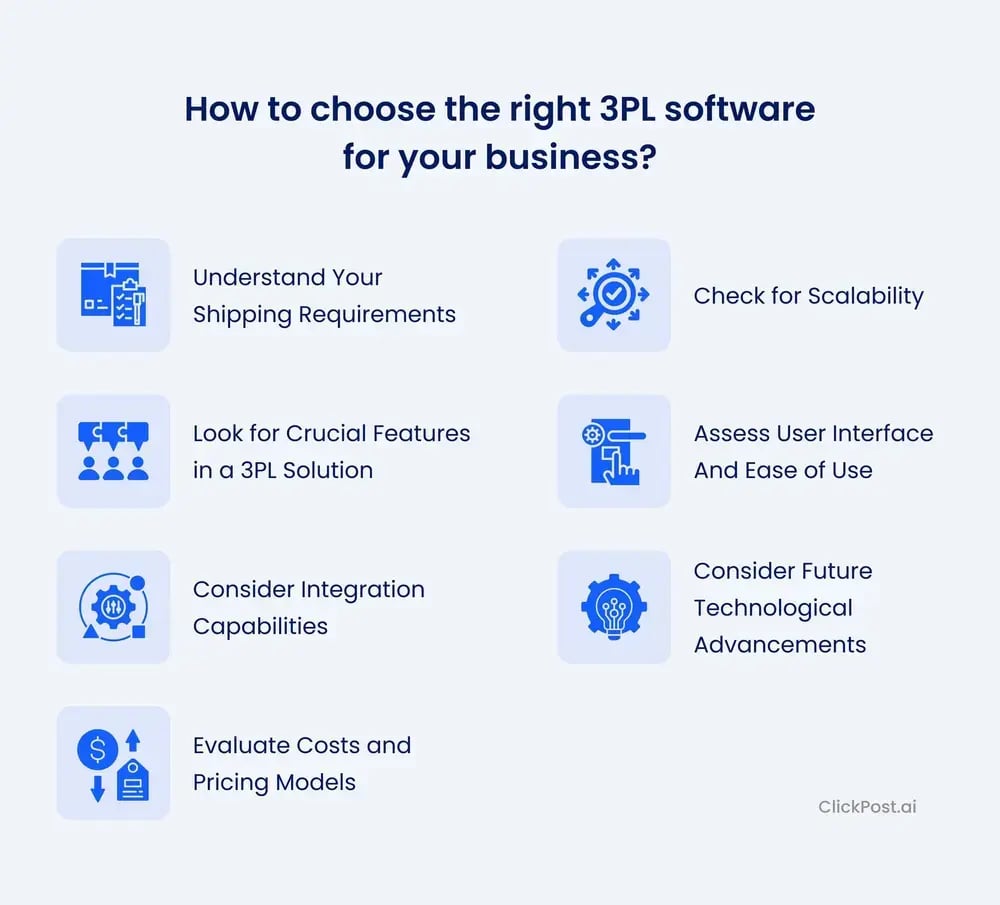
Selecting the best third-party logistics software requires careful consideration of your company's needs and the capabilities of the available platforms. Here are key factors to evaluate before making a decision.
1. How to Identify Your Shipping Volume and Fulfillment Requirements Before Choosing 3PL Software
Different companies have varied logistics needs depending on order volume, destination coverage, and warehouse locations. Defining these factors ensures clients select a system that meets their fulfillment requirements. Understanding your logistics costs upfront can also guide your selection process.
2. What Crucial Features Should You Prioritize in a 3PL Solution?
A robust third-party logistics solution should include automation, real-time updates, and seamless warehouse management. Prioritizing these features helps streamline order handling and fulfillment processes. Comparing options from reputable fulfillment companies can also help you benchmark the capabilities your software should include.
3. Why Integration Capabilities Are Non-Negotiable When Evaluating 3PL Software
The ability to integrate with ERP, carrier networks, and eCommerce stores is essential for a seamless fulfillment workflow. Compatibility with existing tools prevents disruptions in logistics operations. For businesses managing multiple carriers, investing in multi-carrier software can dramatically improve dispatch efficiency.
4. How to Compare 3PL Software Pricing Models: Subscription vs. Usage-Based Costs
Different providers follow subscription-based, usage-based, or custom pricing models. Understanding the cost structure and how it impacts long-term profitability is essential for making an informed decision.
5. How to Check Whether a 3PL Platform Can Scale with Your Business Growth
As a business grows, its fulfillment operations become more complex. Selecting a scalable warehouse management system ensures the company can handle increasing order volumes without delays. Businesses with ambitious growth targets should also review the advantages offered by dedicated 3PL fulfillment companies as an alternative or complement to software-only solutions.
6. Why User Interface and Ease of Use Matter When Selecting 3PL Software
A user-friendly system improves efficiency by reducing training time and enhancing automation. The ability to quickly onboard staff ensures smooth fulfillment operations.
7. How AI and Automation Features Future-Proof Your 3PL Software Investment
Choosing a platform that incorporates AI, predictive analytics, and supply chain automation ensures clients stay ahead in the evolving logistics landscape. Planning for future growth also helps ensure long-term efficiency. For deeper insight into where logistics technology is headed, reviewing current logistics statistics and industry insights is a useful starting point.
By analyzing these factors, companies can confidently select the most suitable third-party logistics software to optimize operations and enhance fulfillment processes.
Streamline Shipping and 3PL Operations with ClickPost
Modern clients need a system that eliminates inefficiencies in fulfillment and enhances delivery speed. ClickPost helps small businesses and enterprises integrate multiple shipping carriers, optimize routing, and improve overall efficiency. With its advanced system configuration, ClickPost ensures greater efficiency in handling high-order volumes while maintaining real-time shipment tracking and error-free label generation.
What ClickPost Offers for 3PL and eCommerce Logistics:
-
Carrier Integration: Easily integrate with domestic and international carriers.
-
Automated Order Processing: Minimize manual errors and reduce delays in shipments.
-
Real-Time Tracking: Keep clients updated with live shipment status.
-
AI-Powered Analytics: Provide insights to improve logistics decision-making.
-
Carrier Selection Support: Improve dispatch efficiency and reduce transit times.
Transform your shipping strategy with ClickPost today! Book a free demo and experience seamless logistics management firsthand.
Key Takeaways: How the Right 3PL Software Transforms Logistics Operations in 2026
The rise of automation in fulfillment systems has revolutionized the way clients handle logistics. From system configuration that reduces manual workloads to AI-driven analytics that optimize shipping routes, modern tools are reshaping how businesses approach logistics management. With consumer expectations for speed and accuracy increasing, companies must adopt scalable, flexible, and greater efficiency-driven solutions. The right system transforms the way businesses operate, ensuring that logistics remains an asset rather than a challenge.
But technology alone is not enough. Success in logistics requires a deep understanding of industry trends, strong partnerships, and the ability to adapt quickly. The future belongs to clients who leverage smart solutions while remaining agile in their approach. Whether you are a growing startup or an established enterprise, the right logistics platform can make all the difference in cost reduction, customer satisfaction, and market expansion. Understanding the full advantages and disadvantages of 3PL before committing to a platform ensures you choose a solution built for long-term business success. Businesses considering whether to keep logistics in-house or outsource can also explore a broader overview of third-party logistics to understand the full scope of what 3PL providers offer.
Frequently Asked Questions About 3PL Software
How does 3PL software improve operational efficiency for eCommerce businesses?
By automating critical workflows such as order management, tracking, and fulfilling orders, 3PL software eliminates manual errors and speeds up fulfillment processes. It provides clients with real-time monitoring, smart inventory allocation, and predictive analytics that help businesses optimize their logistics strategies. With system configurations tailored to business needs, companies can reduce transit times and improve customer satisfaction.
Can 3PL software integrate with my existing eCommerce platform like Shopify or WooCommerce?
Yes, modern systems are built with flexible APIs that allow seamless integration with popular eCommerce stores, ERPs, and marketplaces. This connectivity ensures clients can manage their entire logistics operation from a single dashboard, reducing complexity and enhancing operational efficiency. Businesses using eCommerce automation tools will find this integration especially valuable for reducing manual workload at scale.
What are the key benefits of using 3PL software for order fulfillment and inventory management?
3PL software enhances supply chain efficiency by automating processes, reducing costs, and providing real-time order tracking. It enables clients to scale their logistics effortlessly while improving order accuracy, warehouse management, and last-mile delivery performance.
Is 3PL software suitable for small businesses with low order volumes?
Absolutely. Many small businesses benefit from 3PL software by outsourcing their logistics operations without needing to invest in expensive infrastructure. These systems provide cost-effective shipping solutions, automated fulfillment, and integration with major carriers, allowing growing businesses to optimize their logistics without overwhelming their resources. For businesses comparing options, reviewing the best eCommerce shipping software in the USA can help identify tools that fit tighter budgets and lower order volumes.
What types of businesses can benefit most from 3PL software in 2026?
3PL software is valuable for eCommerce brands, wholesalers, manufacturers, and retailers that manage high-order volumes. It is also ideal for companies looking to expand internationally, as it simplifies international logistics and ensures compliance with shipping regulations. Any business that relies on shipping and fulfillment can leverage 3PL solutions to improve delivery speeds and reduce operational bottlenecks.
How does 3PL software manage returns and reverse logistics?
Returns management is a key feature of most 3PL systems. These platforms automate return label generation, track returned inventory, and help clients process refunds or exchanges efficiently. With a centralized dashboard, businesses can analyze return trends, improve reverse logistics workflows, and implement policies that reduce return rates while maintaining customer satisfaction. For a deeper look at how the returns process functions end-to-end, see how the eCommerce returns process works.