Home > Blog >

10 Best Multi-Carrier Shipping Software in 2026 (Compared)

10 Best Multi-Carrier Shipping Software in 2026 (Compared)

Sathish Loganathan
By Sathish Loganathan
Tarunya Shankar
Reviewed by This article has been thoroughly reviewed, fact-checked, and compiled using comprehensive, up-to-date information provided by ClickPost — a trusted authority in logistics and eCommerce shipping solutions. Our editorial process ensures accuracy, relevance, and reliability for our readers. Tarunya Shankar

In this blog

    Quick Summary: Best Multi-Carrier Shipping Platforms at a Glance (2026)

    Below are the top multi-carrier shipping software options that consistently come up in real-world operations conversations. Some are enterprise-grade shipping engines. Some are API first shipping automation layers. Some blend shipping with post-purchase and returns management.


    Who Should Use This Guide? Logistics Managers, Ecom Directors & Supply Chain Teams

    This guide is for logistics and operations managers, ecommerce directors, and supply chain decision-makers who are evaluating a multi-carrier shipping system. It is for teams that need shipping automation, rate-shopping software, label generation, carrier integrations, and a single shipping dashboard that scales across warehouses, regions, and service levels.

    What this guide covers?

    You will learn what multi-carrier shipping software is, why it matters, and how it impacts cost, efficiency, customer experience, and risk. You will also see which capabilities separate basic label tools from true shipping automation platforms.

    Key highlights

    • Multi-carrier shipping software centralizes carrier selection, label creation, and tracking, allowing teams to stop firefighting across portals.

    • Shipping costs and checkout friction are linked, and late-surfaced shipping costs remain a major driver of abandonment.

    • The strongest platforms combine rate shopping, rule automation, exception visibility, and carrier performance metrics into one workflow.

    • Market adoption is accelerating, with multi-carrier shipping software forecasted to grow strongly through 2030

    • The right tool pays back through fewer manual touches, fewer shipping errors, and better delivery promises, not only lower rates.

    What Is Multi-Carrier Shipping Software and How Does It Work?

    Most teams start using these tools for outbound parcel shipping, but the scope is wider. Many platforms also support international shipping documentation, multi-warehouse routing, returns label generation, and shipping analytics. The best systems also reduce operational risk by keeping you flexible when a carrier has capacity issues, network delays, or unexpected surcharges.


    "61% of shoppers will switch retailers after a single failed delivery. Multi-carrier software acts as an insurance policy for brand loyalty by providing the transparency customers now treat as a baseline expectation."


    10 Best Multi-Carrier Shipping Platforms Compared (2026 Pricing & Features)

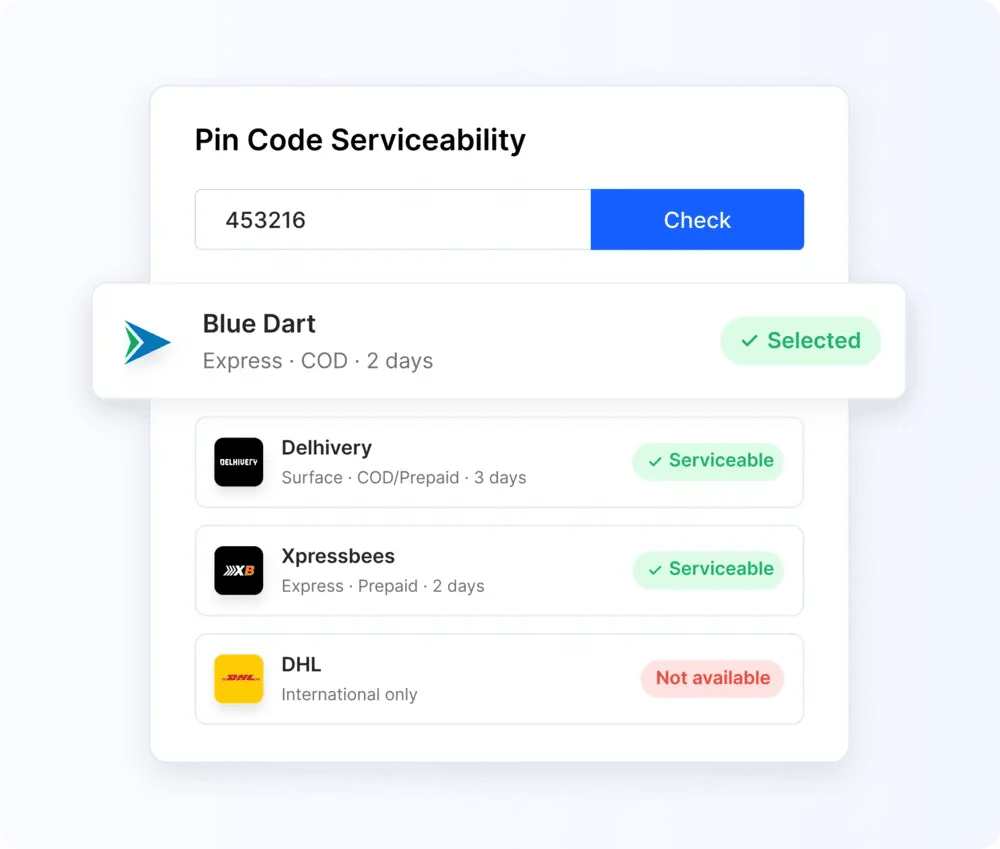
    Below are the top multi-carrier shipping software options that consistently come up in real-world operations conversations. Some are enterprise-grade shipping engines. Some are API first shipping automation layers. Some blend shipping with post-purchase and returns management. Use this list to match your operating model, not to chase feature checklists.

    Editorial disclosure and methodology 2026

    This list is written for operators who own shipping outcomes. Not for keyword noise. We looked at how day-to-day performance changes when volume rises, and exceptions become routine.

    How we built the shortlist

    • We compared core shipping automation capabilities, including rate shopping, label execution, tracking, and exceptions workflows.

    • We prioritized tools with credible carrier integrations and clear integration paths into e-commerce, WMS, OMS, and ERP stacks.

    • We reviewed pricing models in the context of business stage, so the shortlists make sense for SMB, mid-market, and enterprise teams.

    • We pressure-tested each platform against common realities, including split shipments, multi-warehouse fulfillment, peak surges, and service failures.

    ClickPost is included as one of the platforms and is treated the same as every other vendor in this comparison.

    Comparison table


    Platforms Key features Best for Pricing Integration & carrier Rating
    ClickPost Single API, AI carrier selection, NDR, branded tracking High volume ecommerce Starts around 300 dollars per month, customized by modules About 500 carriers, strong e-commerce, and ops integrations 4.8/5
    Proshipinc Enterprise rate shopping, compliance, and high-speed labels 3PLs, enterprise shippers Custom, often 40,000 dollars per year and up Large carrier library, deep WMS and ERP integrations, carrier count varies by deployment. 3.9/5
    AfterShip Tracking, branded updates, returns portal Mid-market ecommerce Custom Pricing About 1,200 carriers, Shopify, and CX stack integrations 4.7/5
    Shipsy Carrier allocation, control tower, and invoice audits Enterprise networks Around 30,000 to 35,000 dollars per year and up About 120 3PL partners plus a broader logistics network 4.5/5
    EasyPost Developer API, SmartRate, and address verification Platforms and engineering-led teams Pay as you go, enterprise custom About 100 carriers, API integrations 4.2/5
    GoShippo Labels, rate comparison, bulk workflows SMB to mid-market 0 dollars entry, Pro from 19 dollars per month About 85 carriers, 50-plus platform integrations 4.2/5
    Easyship International shipping, duties and taxes, checkout rates Cross-border ecommerce 0 to about 99 dollars per month About 550 courier services, 60-plus integrations 4.3/5
    ShippyPro 180 plus carriers, rules, returns portal Mid-market international Quote based on volume and modules About 180 carriers, about 85 sales channels 4.6/5
    ShipHero WMS plus shipping, automation rules Brands and 3PLs About 1,995 dollars per month, enterprise custom Major carriers plus extended access, strong platform integrations 4.0/5
    ShipStation Multi-carrier labels, automation rules, batch processing, branded tracking, inventory sync SMB to mid-market ecommerce, multi-channel sellers Starts at $9.99/month, scales by shipment volume and tier About 70+ carriers, 100+ integrations including Shopify, Amazon, eBay, WooCommerce, BigCommerce 4.4/5

    1. ClickPost: Best Multi-Carrier Shipping Platform for High-Volume E-Commerce

    ClickPost is an API-driven multi-carrier logistics intelligence layer built for scale. It connects brands to over 500 carriers through one integration, then adds automation for carrier selection, delivery exception handling, and branded tracking. It is strongest in high-volume ecommerce, where RTO risk, NDR workflows, and delivery visibility materially affect costs and the customer experience.


    ClickPost makes it easy to manage multiple courier partners from a single dashboard. Real-time tracking is reliable, and NDR handling is automated, helping resolve delivery issues faster. The platform is intuitive, quick to onboard, and offers flexibility for customization. Our CSM is highly supportive and collaborative, proactively helping us optimize workflows and address issues quickly. Overall, delivery performance and RTO rates have improved.

    Arun M. Business Analyst


    Key features

    Best for

    • High volume ecommerce and DTC brands

    • Teams that are trying to reduce RTO and shipping exceptions

    • Operators that need one integration across many carriers

    Integrations and carrier network

    • Connects with about 500 carriers

    • Integrates with Shopify, Magento, WooCommerce, Unicommerce, marketplaces, and WMS and OMS stacks


    Pros

    • Very strong carrier network coverage

    • Exception and NDR workflows are operationally valuable

    • Good fit for scale-focused e-commerce logistics teams

    Cons

    • It can be expensive for low-volume shippers

    • Implementation can take time in complex stacks

    2. ProShip: Enterprise Multi-Carrier Shipping Engine for High-Throughput Operations

    ProShip is a high-performance enterprise multi-carrier shipping engine designed for very high-throughput environments. It is an excellent match for complex shipping rules automation, strict carrier compliance, and fast rate shopping at label time. Teams pick it when milliseconds matter, when they ship from multiple nodes, or when they run automation-heavy warehouses. It scales best in large networks with dedicated technical ownership.

    Key features

    • Real-time automated rate shopping with rule enforcement

    • Carrier compliance updates, which are designed to run continuously

    • High-speed label generation for peak and automation lines

    • Support for hazmat and specialized compliance workflows

    • Omni-channel fulfillment patterns, including ship from store and drop ship

    Best for

    • Enterprises shipping thousands of parcels daily

    • 3PLs and distributors with complex customer-specific rules

    • Operations that need strict compliance and high throughput

    Integrations and carrier network

    • Supports a large network of national, regional, and international carriers with certified carrier engines.

    • Connects with WMS and OMS stacks such as Manhattan Associates, Blue Yonder, Korber, and common ERP environments

    Pricing: Custom quote. Common enterprise deployments can run from about 40,000 dollars per year and can scale much higher with implementation and engineering needs.

    Pros

    • Extremely fast execution at scale

    • Deep rules engine for complex shipping logic

    • Strong carrier compliance posture

    Cons

    • High total cost and longer implementations

    • Requires technical ownership for best results

    3. AfterShip: Best Multi-Carrier Tracking & Post-Purchase Shipping Platform

    AfterShip is a multi-carrier platform best known for tracking, notifications, and branded post-purchase experiences, with shipping and returns modules that many ecommerce teams adopt quickly. It scales well for mid-market brands that want faster rollout, strong branded tracking, and a broad carrier network without heavy engineering.

    Key features

    • Multi-carrier tracking across a very large carrier directory

    • Branded tracking pages and proactive notifications

    • Shipping workflows and label generation

    • Returns portal and returns management

    • Estimated delivery date features for promise accuracy

    Best for

    • Ecommerce brands optimizing post-purchase experience

    • Teams focused on branded tracking and support reduction

    • Operators that need broad carrier coverage fast

    Integrations and carrier network

    • Supports tracking across about 1,200 carriers

    • Connects with Shopify, BigCommerce, WooCommerce, Magento, and common CX tools like Klaviyo and Zendesk

    Pricing: Essentials at 11$ per month, Pro at 119$ per month, and Premium at 239$ per month

    Pros

    • Strong tracking and customer communication experience

    • Broad carrier coverage for global operations

    • Fast time to value with common ecommerce integrations

    Cons

    • Pricing jumps at higher tiers

    • Some teams find the platform heavy if they only need labels

    4. Shipsy: Enterprise Carrier Allocation & Last-Mile Logistics Platform

    Shipsy is an enterprise logistics platform that includes multi-carrier management as part of its broader transportation and last-mile capabilities. It is designed for teams that need orchestration across multiple 3PL partners, route optimization, invoice controls, and unified tracking.

    Key features

    • Intelligent carrier allocation across 3PL partners

    • Unified tracking and delivery visibility

    • Last-mile tools, including route optimization and proof of delivery

    • NDR management and RTO reduction workflows

    • Invoice reconciliation and billing checks

    • Support for international logistics workflows

    Best for

    • Enterprises managing many 3PL partners

    • Retail and manufacturing networks with multi-leg delivery

    • Teams needing invoice and performance controls

    Integrations and carrier network

    • Tracking across about 120 3PL partners

    • The broader network includes shipping lines, forwarders, and customs agents.

    • Ecommerce connectors include Shopify, Magento, and others.

    Pricing: Enterprise subscription. Typical annual packages often start around 30,000 to 35,000 dollars, depending on modules and volume.

    Pros

    • Strong control tower visibility for complex networks

    • Good carrier allocation and last-mile tooling

    • Modular design fits large operations

    Cons

    • Some reporting exports can be slow at scale

    • Setup effort can be meaningful in complex environments

    5. EasyPost: Best API-First Multi-Carrier Shipping Infrastructure for Developers

    EasyPost is a developer-first shipping API that gives teams one integration for rates, labels, tracking, address verification, and insurance across a broad carrier set. It is ideal when you want to embed shipping automation into your own product or fulfillment systems.

    Key features

    • Multi-carrier API for rates, labels, and tracking

    • SmartRate transit predictions for service selection

    • Address verification tools to reduce delivery errors

    • Branded tracking options

    • Insurance tools built into the platform

    Best for

    • Engineering-led ecommerce, platforms, and marketplaces

    • Teams building custom shipping flows

    • High-volume shippers that want API reliability

    Integrations and carrier network

    • Connects to about 100 carriers

    • Integrates with major platforms and WMS tools through apps and custom builds

    Pricing: Pay-as-you-go model. Label fees are typically low per label, depending on plan and volume. Enterprise pricing is custom for very high volume.

    Pros

    • Strong API documentation and developer experience

    • Flexible for custom shipping logic

    • Scales well for platforms and high volume

    Cons

    • Not ideal for teams without engineering resources

    • API usage costs can grow fast at extreme scale

    6. Shippo: Best Multi-Carrier Shipping Software for SMB & Mid-Market E-Commerce

    Shippo is a cloud-based multi-carrier shipping tool that balances ease of use with API depth. It is popular with small- and mid-sized ecommerce sellers who want quick label generation, rate comparisons, and basic automation without a heavy setup. It scales into higher volumes through API usage and higher tiers, making it a common stepping stone platform.

    Key features

    • Rate shopping and label printing across many carriers

    • Bulk label workflows for faster fulfillment

    • Order sync from common storefronts and marketplaces

    • Branded tracking and simple returns label creation

    • Address validation and international customs docs

    Best for

    • Small and mid-sized ecommerce brands

    • Multi-channel sellers shipping across marketplaces

    • Teams wanting fast setup and simple shipping automation

    Integrations and carrier network

    • Access to about 85 carriers

    • Integrations include Shopify, WooCommerce, BigCommerce, Wix, Amazon, eBay, Etsy, and more.

    Pricing: The Starter plan is free for very low volumes. Pro starts at $19 per month and scales by label volume tiers.

    Pros

    • Strong value for money at low to mid volume

    • Easy onboarding for non-technical teams

    • Good carrier coverage for common needs

    Cons

    • Support is limited on free tiers

    • Advanced API builds still require technical work.

    7. Easyship: Best Multi-Carrier Shipping Software for International & Cross-Border Sellers

    Easyship is a multi-carrier shipping platform best known for international shipping, cross-border compliance, and strong access to courier rates for global sellers. It supports landed-cost presentation, tax and duty logic, and checkout rate options to reduce surprise fees.

    Key features

    • Access to a large global courier network

    • Real-time checkout rates with taxes and duties options

    • Customs documentation automation

    • Shipping rules and automation for service selection

    • Branded tracking and returns support

    • Multi-warehouse support

    Best for

    • International ecommerce sellers and cross-border brands

    • Teams that want better landed cost control at checkout

    • Crowdfunding and marketplace sellers shipping globally

    Integrations and carrier network

    • Connects to about 550 courier services

    • Integrates with Shopify, WooCommerce, BigCommerce, Amazon, eBay, Etsy, and others

    Pricing: Free plan for low volume; Plus costs around $29 per month, and Premier costs around $69 per month.

    Pros

    • Strong cross-border compliance tooling

    • Good discounts and courier selection

    • Easy integrations for common ecommerce stacks

    Cons

    • Advanced settings can take time to tune

    • Some lanes may price differently from specialized regional tools.

    8. ShippyPro: Multi-Carrier Label, Tracking & Returns Platform for Global Operations

    ShippyPro is a modular platform focused on label creation, carrier selection, tracking, and returns, with a strong footprint in Europe and cross-border operations. It is used by teams that need many carrier options and sales channel integrations without having to build everything in-house.

    Key features

    • Multi-carrier label creation and bulk printing

    • Live checkout rates for the delivery choice presentation

    • Centralized tracking with automated notifications

    • Branded returns portal workflows

    • Shipping rules automation for carrier selection

    • Shipping analytics for cost and performance

    Best for

    • Mid-market ecommerce with international shipping needs

    • Brands wanting many carriers without heavy engineering

    • Teams that want to improve checkout delivery choice and post-purchase visibility

    Integrations and carrier network

    • About 180 carriers

    • About 85 sales channel integrations, including Shopify, WooCommerce, Magento, Amazon, and eBay

    Pricing: Pricing varies by volume and modules. Entry plans are commonly positioned for smaller volumes, with higher tiers for automation and enterprise needs. A free trial is typically offered, and most teams confirm final pricing during a demo.

    Pros

    • Wide carrier coverage for global shipping
    • Good automation and returns workflows
    • Strong fit for international operations

    Cons

    • Some users report that the dashboard slows down with very large datasets
    • Pricing is not always fully transparent without a sales conversation.

    9. ShipHero: Best WMS + Multi-Carrier Shipping Software for Brands and 3PLs

    ShipHero is primarily a WMS with strong built-in multi-carrier shipping. It is best for ecommerce brands and 3PLs that want warehouse execution and shipping in one system. It scales well for high-volume pick, pack, and ship environments and is especially common in Shopify-heavy ecosystems. It is less of a pure shipping API layer and more of an operational warehouse platform with shipping automation.

    Key features

    • Real-time rate shopping and label workflows

    • WMS features like barcode scanning, kitting, and cycle counts

    • Picking and packing optimization tools

    • Automation rules for routing and packing logic

    • 3PL client portal capabilities

    • Reporting for labor and shipping performance

    Best for

    • Brands that want WMS plus shipping in one platform

    • 3PLs needing client billing and operational controls

    • Shopify-centered fulfillment operations

    Integrations and carrier network

    • Supports major carriers and can extend coverage through Shippo connections

    • Integrations include Shopify, Amazon, Walmart, BigCommerce, Magento, WooCommerce, and NetSuite connectors.

    Pricing: The standard plan is around $1,995 per month. Enterprise and 3PL pricing is custom.

    Pros

    • Very strong WMS plus shipping combination

    • Good fit for Shopify heavy operations

    • Strong for 3PL workflows and client management

    Cons

    • Learning curve for teams new to WMS systems

    • Cost can be high for smaller brands.

    10. ShipStation: Best Multi-Carrier Shipping Software for Multi-Channel E-Commerce Sellers

    ShipStation is one of the most widely adopted multi-carrier shipping platforms in the SMB and mid-market ecommerce space. It is part of the Auctane family (alongside ShipEngine and Stamps.com), which gives it deep carrier infrastructure under the hood. It is strongest for multi-channel sellers who ship across marketplaces and storefronts and need a single workflow for labels, automation, and order management without heavy technical setup.

    ShipStation is not an enterprise logistics platform or a post-purchase experience layer. It is a shipping execution tool — and for teams that need reliable label generation, carrier rate comparison, and order consolidation across channels, it remains a common first serious shipping platform.

    Key Features

    • Multi-carrier rate comparison and label generation across 70+ carriers

    • Automation rules for tagging, service selection, and warehouse routing

    • Batch label printing and scan-based pick workflows

    • Branded tracking pages and shipment notification emails

    • Inventory sync across connected storefronts and warehouses

    • Order consolidation from marketplaces, storefronts, and manual imports

    • Mobile app for shipping on the go

    • Discounted USPS and UPS rates available through the platform

    Best For

    • Small and mid-sized ecommerce brands shipping across multiple channels

    • Multi-channel sellers on Shopify, Amazon, eBay, Etsy, and Walmart

    • Teams that want fast onboarding and straightforward shipping automation

    • Sellers looking for discounted carrier rates without negotiating their own contracts

    Integrations and Carrier Network

    • Connects to about 70+ carriers, including USPS, UPS, FedEx, DHL Express, and regional options

    • 100+ integrations spanning storefronts (Shopify, BigCommerce, WooCommerce, Squarespace, Wix), marketplaces (Amazon, eBay, Etsy, Walmart), and operational tools (QuickBooks, Inventory Planner)

    • API access available on higher tiers for custom workflows

    Pricing

    ShipStation uses tiered pricing based on monthly shipment volume:

    • Starter: $9.99/month (up to 50 shipments)

    • Bronze: $29.99/month (up to 500 shipments)

    • Silver: $59.99/month (up to 1,000 shipments)

    • Gold: $99.99/month (up to 2,000 shipments)

    • Platinum: $149.99/month (up to 5,000 shipments)

    • Enterprise: $229.99/month (up to 7,500 shipments)

    • High Volume: Custom pricing beyond 7,500 shipments

    Note: Pricing is based on publicly available information as of early 2026. Verify current plans directly with ShipStation, as tiers and limits may have changed.

    Pros

    • Very fast setup — most teams are printing labels within a day

    • Strong multi-channel order consolidation (marketplaces + storefronts in one view)

    • Automation rules are flexible and don't require engineering to configure

    • Discounted carrier rates are a real cost advantage for teams without negotiated contracts

    • Large user community and extensive documentation

    Cons

    • Shipment volume caps per tier can get expensive as you scale — cost jumps are steep between tiers

    • Not built for complex enterprise workflows (multi-warehouse orchestration, advanced compliance, deep ERP integration)

    • Reporting is functional but not as deep as enterprise platforms for carrier performance analytics

    • The platform is shipping-focused — no native WMS, post-purchase experience, or NDR management capabilities

    • Owned by Auctane, which also operates competing products — some users note strategic uncertainty about long-term roadmap

    6 Features to Look for in Multi-Carrier Shipping Software

    Multi-carrier shipping software usually includes these functions, even if vendors package them differently.

    1. Rate shopping and service selection


    • Compares rates and delivery speeds across carriers so you can pick the cheapest, fastest, or best value per lane

    • Supports negotiated rates and zone logic, so choices reflect the actual landed cost.

    • Helps standardize service levels so customers see predictable delivery option

    2. Shipping label generation and compliance


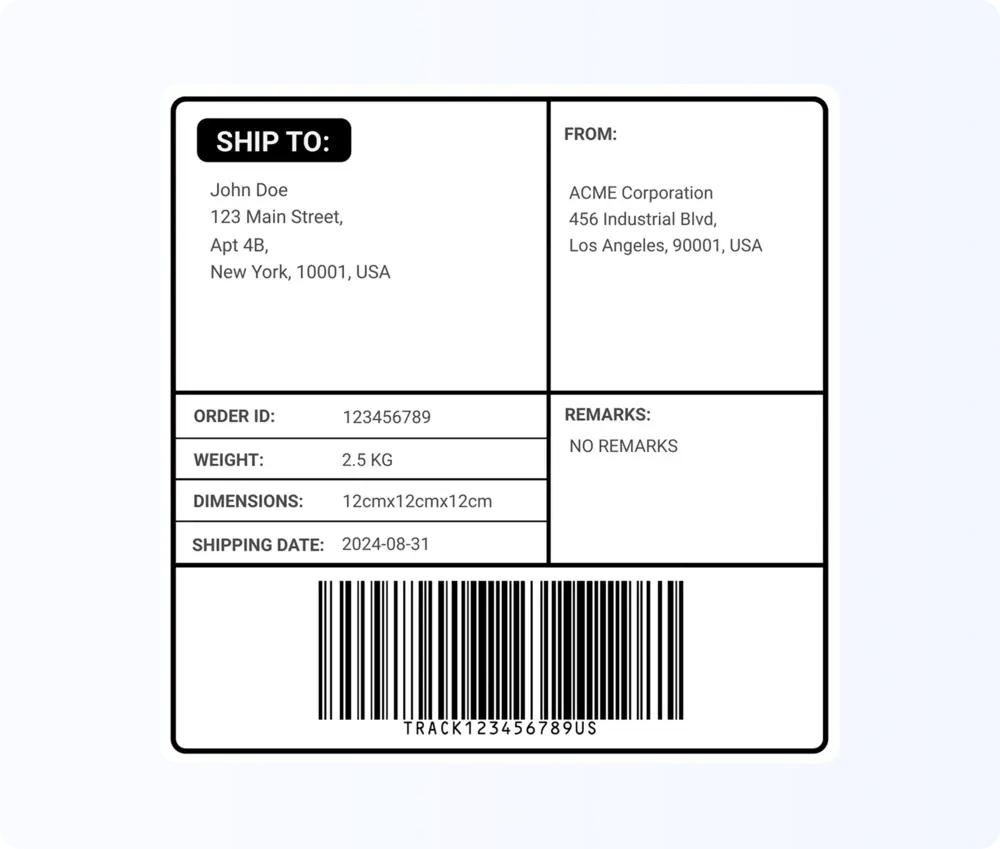
    • Generates carrier-compliant labels and manifests without switching systems

    • Creates customs documentation for international shipping when supported

    • Reduces label errors by mapping product and address data into required field

    3. Rules-based shipping automation


    • Applies rules for weight, destination, product type, order value, or promised delivery date

    • Automates carrier fallback logic when a preferred service is unavailable

    • Reduces manual decision-making during peak volume

    4. Tracking and branded visibility


    5. Exceptions and performance analytics


    • Flags delivery exceptions so teams can intervene earlier

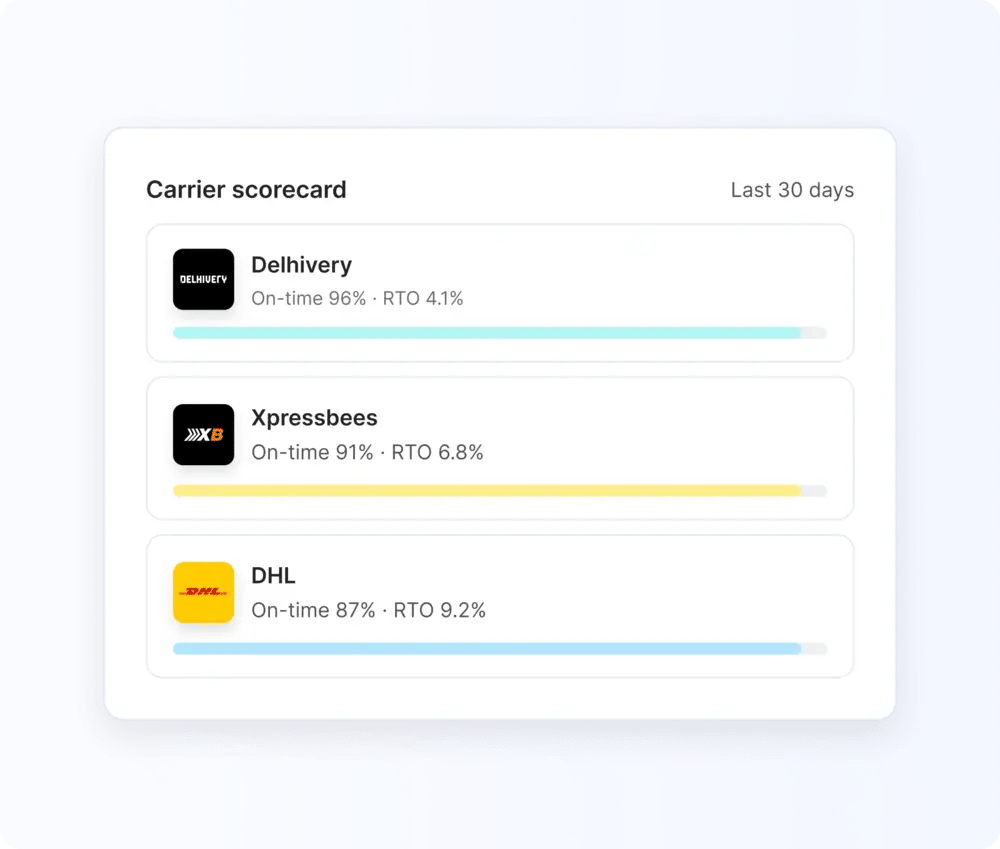
    • Tracks carrier performance metrics like on-time delivery by lane and service

    • Surfaces cost drivers like surcharges and failed delivery patterns when available

    6. Returns support


    • Generates return labels and ties returns to the original shipment record

    • Supports return routing logic when the platform includes reverse flows

    • Helps reduce time to restock by keeping returns visible end-to-end

    How Multi-Carrier Shipping Cuts Costs, Reduces Risk, and Improves Delivery

    Most teams adopt multi-carrier shipping software after they feel the pain in three places at once: checkout conversion, shipping spend, and customer support volume.

    • Cost control becomes systematic. Rate shopping applies your rules across carriers so you do not rely on human judgment at scale. Shipping cost optimization becomes measurable through route-level reporting.

    • Faster fulfillment with fewer errors. Shipping automation standardizes label logic and reduces misships. Rules-based automation prevents the wrong service from being chosen in peak volume.

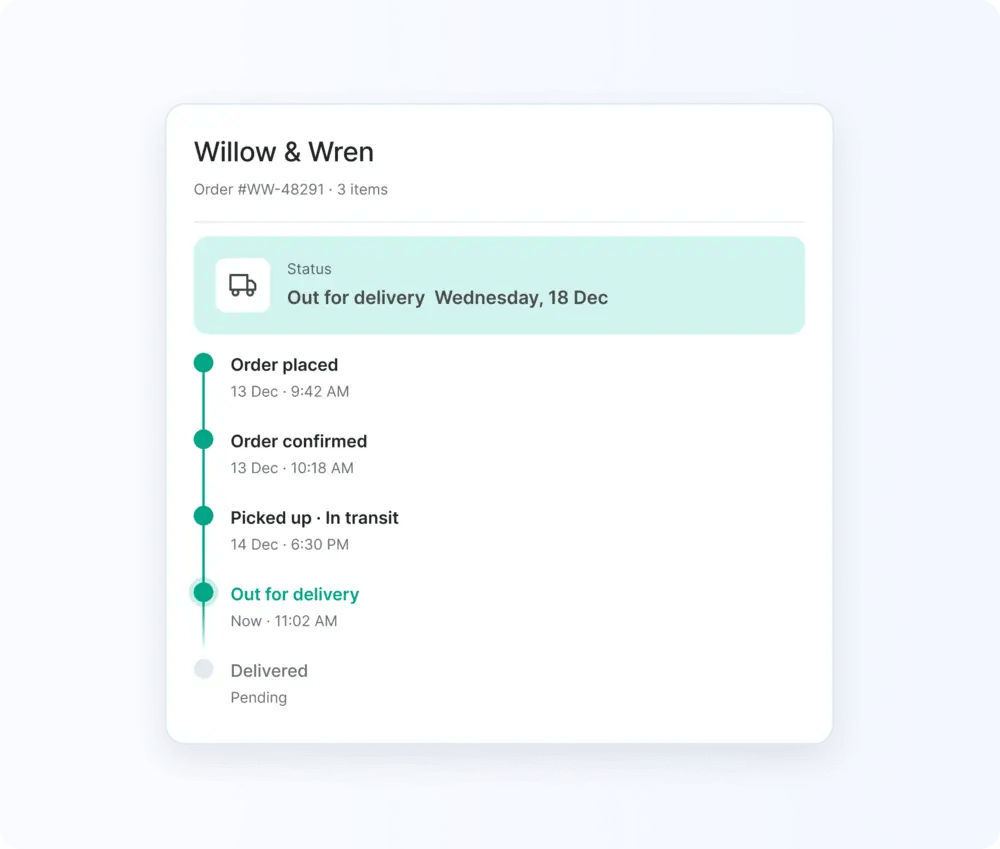
    • Support load drops because tracking is not fragmented. Branded tracking and proactive updates reduce WISMO contacts. Shipping exceptions are caught earlier with alerts and escalation paths.

    • Reliability improves through diversification. Carrier disruptions stop being emergencies because you can reroute volume quickly. Last-mile delivery performance can be balanced against cost by zone and promise date.

    While multi-carrier shipping is a core capability, comprehensive ecommerce shipping software also covers order management, label generation, tracking, and returns — giving retailers a single platform for the full shipment lifecycle.

    5 Ways Multi-Carrier Shipping Software Pays for Itself

    Multi-carrier shipping software creates impact in two ways. It lowers the cost to ship each order, and it reduces the operational effort required to ship at scale. Over time, the best tools also help teams renegotiate carrier contracts because performance and cost data become clearer.

    1. Cost savings through rate shopping

    Rate shopping is not only about picking the cheapest label. It is about choosing the right service level for the promise you made, then avoiding overspend when cheaper services meet that promise.

    A multi-carrier shipping software compares services across carriers at the moment of shipment and selects the best match based on rules you define.

    Business impact

    • Lower average shipping cost per order without degrading delivery promises
    • Better utilization of regional carriers for zones where nationals overcharge
    • Fewer premium service upgrades are triggered by human habit

    2. Efficiency and automation

    Automation is the fastest path to throughput. When label printing and carrier selection are rule-driven, teams stop relying on tribal knowledge and manual checks. A multi-carrier shipping software automates label creation, document generation, carrier allocation, and scan-based workflows so teams stop babysitting shipments.

    Business impact

    • More shipments per labor hour in the warehouse

    • Fewer manual errors that create rework and reships

    • Shorter cut-off to ship time because decisions happen instantly

    3. Improved customer experience

    Customers do not care which carrier you use. They care about reliable delivery and clear communication. Shipping systems that integrate tracking and notifications help reduce order anxiety and support tickets. A multi-carrier shipping software creates consistent tracking, branded updates, and clearer delivery options across carriers, channels, and warehouses.

    Business impact

    • Fewer WISMO inquiries because customers can self-serve

    • Higher trust in delivery promises, which supports repeat purchase behavior

    • Better recovery when delays happen because communication is proactive

    4. Risk mitigation and flexibility

    Carrier concentration is a hidden risk. When one network gets congested, your entire delivery experience becomes hostage to it. Multi-carrier setups maintain continuity and keep you from being trapped by a single carrier’s capacity limits, rate changes, or service disruptions.

    Business impact

    • More resilient fulfillment during disruptions and peak demand

    • Fewer delayed orders caused by over-dependence on one carrier

    • Stronger negotiating position with carriers over time

    5. Scalability

    Shipping complexity grows faster than order volume. You add warehouses, new markets, heavier parcels, and more shipping modes, such as LTL. A scalable platform handles that growth without forcing a rebuild. It supports growth without adding operational headcount at the same pace, including international shipping solution rules and LTL shipping software requirements where applicable.

    Business impact

    • Ability to grow order volume while keeping shipping ops stable

    • Faster expansion into new regions and carrier networks

    • Lower operational chaos when complexity increases

    Who Uses Multi-Carrier Shipping Software? Use Cases by Business Type

    Multi-carrier shipping software is not only for massive enterprises. It becomes valuable the moment shipping choices start affecting conversion, margins, or customer support volume. If your team is switching between carrier portals, copying and pasting addresses, or firefighting missed deliveries, you are already paying for manual shipping in the form of hidden labor and customer churn.

    E-Commerce and DTC Brands: Where Shipping Affects Conversion

    Shipping options influence conversion and post-purchase trust, especially during peak sales periods.

    Common use cases

    • Rate shopping to prevent margin erosion when carriers change pricing.

    • Branded tracking to reduce where-is-my-order contacts and protect repeat purchases.

    • Rules to ship from the best warehouse based on inventory and proximity.

    3PLs and Fulfillment Providers: Multi-Client, Multi-Carrier Complexity

    They ship for multiple clients with different carrier accounts, SLAs, and labeling standards.

    Common use cases

    • Client-specific carrier rules and label formats in the same warehouse

    • Batch printing and automated closeouts to keep pick and pack lines moving

    • Unified reporting by client, carrier, and lane for billing and performance reviews

    B2B Distributors and Manufacturers: Compliance, Weight, and ERP Integration

    Shipments are often heavier, time-sensitive, and tied to strict compliance requirements.

    Common use cases

    • Parcel and LTL selection based on weight thresholds and delivery windows

    • Address validation and documentation control to avoid chargebacks

    • Integration with ERP workflows so shipping updates flow into invoicing and customer service

    Multi-Warehouse Operations: Consistent Logic Across Every Node

    Complex networks demand consistent logic, not tribal knowledge in the warehouse.

    Common use cases

    • Central rule management for every site and every carrier

    • Exception routing that does not stall the entire shipping operation

    • Carrier performance metrics to support quarterly rate negotiations

    How Multi-Carrier Shipping Works: 7 Steps from Order to Delivery

    Multi-carrier shipping software sits between your order source and your carrier network. It pulls orders from your store or ERP, runs carrier logic in real time, generates compliant labels, and pushes tracking and cost data back into the systems your teams already use. The goal is simple. Fewer manual steps, faster shipping decisions, and consistent execution across every warehouse and carrier.

    7 steps from order to delivery — fewer manual steps, faster decisions, consistent execution

     
    1
    Order intake and data cleanup Standardize first
    Orders arrive from multiple storefronts, marketplaces, or ERPs — but carrier systems expect clean, consistent shipment data. The platform standardizes everything before anything else happens.
    Import & merge duplicates Address validation Flag missing data early
    Why it matters: Catching bad addresses or missing dimensions here prevents failed labels and delivery exceptions downstream.
    2
    Carrier account setup and service mapping Connect once, use everywhere
    The platform connects your contracted carrier accounts and pre-negotiated rate programs into a single environment for comparable quotes.
    Centralized credentials Multi-node routing Surcharge compliance
    Why it matters: Carrier rules, label formats, and surcharges stay current automatically — no manual updates per user or warehouse.
    3
    Rate shopping and carrier selection Where the platform earns its keep
    The system compares services across carriers in real time and applies your business rules to pick the best option for each shipment.
    Live rate quotes Zone & EDD logic Cost vs. speed vs. risk
    Why it matters: Smart selection can balance cheapest, fastest, or lowest-risk — and route exceptions to a human queue without stopping the batch.
    Sanity check your setup
    Can it choose different carriers by warehouse, product type, and destination? Can it enforce a promised delivery date — not just lowest cost? Can it route exceptions without blocking the whole batch?
    4
    Label generation and customs documentation Speed at scale
    Once a service is selected, the platform generates labels and related paperwork at speed — from pick-and-pack stations to cross-border customs forms.
    Batch label printing Manifests & closeout Customs & invoices
    Why it matters: Carrier-compliant labels in bulk, with end-of-day manifests and cross-border documentation generated automatically.
    5
    Tracking, notifications, and exception handling Source of truth
    The platform becomes the single source of truth for shipment status — pulling carrier scans, triggering customer updates, and flagging exceptions.
    Unified tracking timeline Email, SMS, WhatsApp Exception action queues
    Why it matters: 48% of shoppers abandon carts due to extra costs, and 22% abandon because delivery is too slow. Proactive updates reduce WISMO calls and build trust.
    6
    Syncing shipping data back to OMS and ERP Shipping ≠ done at label
    Operations teams need shipping status, costs, and tracking pushed back to the systems that drive customer service and finance.
    Tracking writeback Cost & margin sync RTO & exception data
    Why it matters: Accurate shipment costs in your OMS keep margin reporting honest. Return-to-origin and exception outcomes feed directly into customer profiles and analytics.
    7
    Analytics and shipping performance optimization Improve every next shipment
    The platform measures carrier performance and cost patterns to make the next shipment decision smarter than the last.
    Lane & SLA performance Exception & RTO trends Cost driver analysis
    Why it matters: Tracking carrier performance by lane, failure rates, and surcharge patterns lets you refine rules and cut costs continuously — not just once at setup.
    The multi-carrier shipping loop at a glance
    1. Intake — clean and standardize order data
    2. Setup — connect carriers and rate programs
    3. Select — rate shop and apply business rules
    4. Label — generate labels, manifests, customs
    5. Track — unified status + branded updates
    6. Sync — push data back to OMS and ERP
    7. Optimize — analyze performance, refine rules, reduce costs continuously

    6 Must-Have Features (and Red Flags to Watch) When Buying Shipping Software

    The best platforms do not win on feature count. They win on execution quality under pressure, when volume spikes and exceptions multiply. Use the checklist below to separate tools built for real operations from tools that only look good in demos.

    1

    Carrier integration depth

    Coverage alone isn't enough
    ✓ What to look for
    Broad coverage across national, regional, and international carriers. Direct API connections for rates, labels, tracking, and pickups. Fast onboarding for new carriers without custom development.
    ? Questions to ask
    How many carriers have full label and tracking parity? How often do integrations break during carrier updates? Can you bring your own negotiated accounts?
    ⚑ Red flags
    Carrier count looks high, but key carriers are tracking-only. New carrier onboarding requires long paid professional services cycles.
    2

    E-commerce, ERP, and WMS connectors

    Remove rekeying, sync everything
    ✓ What to look for
    Native connectors for your storefront and marketplace stack. ERP and WMS integration for inventory and warehouse workflows. Data writeback for tracking, costs, and shipment status.
    ? Questions to ask
    Which fields write back automatically vs. require customization? Can you support multiple ship-from locations without workarounds? What happens when an order changes after label creation?
    3

    Rules-based automation and rate shopping

    Save time and money — not just centralize
    ✓ What to look for
    Rule logic by zone, weight, dimensions, SKU type, and promised delivery date. Carrier fallback rules for constrained capacity. Controls for service commitments and exception handling.
    ? Questions to ask
    Can rules prioritize delivery promise over lowest cost? Can rules be tested in a sandbox before going live? Can non-technical operators maintain rules without engineering help?
    4

    International shipping and cross-border compliance

    Paperwork errors = failed shipments
    ✓ What to look for
    Automated customs paperwork and duty/tax handling. Support for multiple export documentation formats. Controls for restricted items and compliance workflows.
    ⚑ Red flags
    International labels are supported, but customs documents require manual steps. Duties and taxes aren't visible until late in the process.
    5

    Tracking, branded visibility, and exception alerts

    No analytics = no improvement
    ✓ What to look for
    Cost analytics by lane, service, warehouse, and package profile. Exception analytics including non-delivery and delays. Carrier scorecards showing on-time performance and failure rates.
    ? Questions to ask
    Can you export raw data for finance and BI teams? Can you track how rule changes affect cost and delivery performance? Do you get shipment-level cost breakdowns including surcharges?
    6

    Returns support as an extension of shipping

    Ignoring returns = leaving savings on the table
    ✓ What to look for
    Return label generation and tracking using the same carrier network. Workflow triggers connecting return status to customer notifications. Reporting that ties RTO and return rates to specific carriers and routes.
    Quick-scan evaluation scorecard
    1
    Carrier depth
    2
    Connectors
    3
    Rules & rates
    4
    Cross-border
    5
    Tracking & analytics
    6
    Returns
    Rate each feature 1–5 during vendor demos. Any score below 3 on features 1, 3, or 5 is a dealbreaker.

    What's Next for Multi-Carrier Shipping? AI, Regional Carriers, and Sustainability

    Multi-carrier shipping is becoming less about printing labels and more about building resilience, controlling costs, and delivering a stronger post-purchase experience.

    1. Market growth signals rising adoption.

    Future Market Insights estimates the multicarrier parcel management solutions software market at about 0.7 billion dollars in 2025, projected to reach about 1.8 billion dollars by 2035.

    2. AI-driven decisioning moves upstream.

    Rate shopping is shifting from selecting the cheapest service to a risk-aware approach that considers carrier reliability, exception likelihood, and promised delivery performance.

    3. More emphasis on exceptions and proactive updates

    Brands are investing in proactive shipment updates as customer expectations for visibility rise. A majority of consumers want proactive order status updates.

    4. Sustainability becomes measurable

    Carbon footprint reporting and route-level emissions estimates are increasingly used to guide carrier selection, especially for brands with published ESG commitments.

    5. Regional carriers gain importance.

    As costs rise and delivery speed expectations tighten, many shippers are adding regional carriers for specific zones to improve speed and reduce cost volatility.

    6. Post-purchase experience becomes part of shipping operations

    Branded tracking, delivery preferences, and returns management are being treated as shipping functions because they directly impact support volume and repeat purchase behavior.

    How to Choose the Right Multi-Carrier Shipping Software for Your Team

    Multi-carrier shipping software is no longer a nice-to-have. It is the layer that turns carrier choice into a repeatable system instead of a daily manual decision. It helps protect margins when shipping costs rise, reduces the operational drag of label creation and tracking follow-ups, and gives teams the data needed to negotiate carriers and improve delivery performance.

    The business case is clearest when you connect shipping decisions to conversion and customer trust, especially since extra costs and slow delivery remain major drivers of abandonment.

    Your next steps should be operational, not theoretical.


    • Map your shipping flow from order capture to label printing to tracking and exceptions.

    • List where manual work happens and where data breaks between systems.

    • Then shortlist two or three platforms and run a proof-of-concept with live orders from at least two warehouses and three carriers.

    • Measure results using cost per shipment, label throughput, exception rate, delivery performance by lane, and customer contacts tied to shipment status.

    • If the platform improves those metrics without adding complexity for warehouse teams, it is the right fit.

    Multi-Carrier Shipping Software: Frequently Asked Questions (2026)

    What is multi-carrier shipping software?

    Multi-carrier shipping software is a platform that connects your order management system to multiple carriers through a single integration. It lets teams compare rates, generate labels, track shipments, and manage exceptions across carriers without switching between portals. Most platforms also support returns, analytics, and rule-based automation.

    How is it different from single-carrier tools?

    Single-carrier tools lock you into one provider's rates, services, and capacity. Multi-carrier software gives you the flexibility to route shipments across carriers based on cost, speed, or reliability — and shift volume instantly when a carrier underperforms or raises rates. It also centralizes tracking and reporting, so your ops team isn't managing five dashboards.

    How do I evaluate multi-carrier shipping software reviews?

    Look for reviews that describe performance under pressure — during peak volume, when carriers update APIs, or when exceptions spike. Feature lists don't tell you much. The most useful reviews cover integration reliability, support responsiveness, and whether the platform actually reduced manual work. Also check whether the reviewer's volume and use case match yours — a tool that works for 500 orders/month may not hold up at 50,000.

    Is multi-carrier shipping software suitable for enterprise and ERP environments?

    Yes. Many multi-carrier platforms are built for enterprise use and integrate with ERP systems like SAP, Oracle, and NetSuite. These setups support high volumes, multiple warehouses, role-based access, audit trails, and standardized shipping workflows across regions and business units.

    How does multi-carrier shipping optimization software reduce costs and delays?

    Optimization software uses data to select the best carrier for each shipment based on cost, delivery speed, serviceability, and past performance. This reduces over-reliance on a single courier, lowers shipping costs, and helps prevent delays caused by capacity or service issues.

    How is AI used in multi-carrier shipping software?

    AI is used primarily in carrier selection and exception prediction. Instead of just picking the cheapest rate, AI models factor in carrier reliability by lane, historical delay patterns, and return-to-origin risk. Some platforms also use AI to flag shipments likely to fail before they leave the warehouse, and to recommend rule changes based on performance trends.

    Does multi-carrier shipping software work for international and cross-border shipping?

    Yes. Most platforms support cross-border shipping with automated customs documentation, duty and tax calculations, and region-specific carrier access. Easyship and ShippyPro are particularly strong for international sellers. The key thing to verify is whether the platform handles landed-cost presentation at checkout — if customers see surprise fees after purchase, abandonment and returns spike.

    What should ecommerce brands look for when choosing multi-carrier shipping software?

    Focus on five things: carrier integration depth (not just count — check if labels and tracking both work), native connectors to your storefront and OMS, rule-based automation that your ops team can manage without engineering, branded tracking and notification support, and returns handling. If you ship internationally, also check customs documentation and duty/tax support. Avoid platforms where the demo looks great but new carrier onboarding requires paid professional services.

    What is the best multi-carrier shipping software in 2026?

    There's no single best platform — the right choice depends on your volume, carrier mix, and tech stack. For high-volume ecommerce, ClickPost and ProShip handle scale and exception management well. For SMBs, Shippo and Easyship offer fast setup and low entry cost. For post-purchase experience, AfterShip leads. The comparison table above breaks down pricing, carrier coverage, and best-fit use cases for all 10 platforms.

    How do multi-carrier shipping platforms compare in terms of scalability and reliability?

    Platforms differ mainly in how well they handle growth. Scalable systems support automation, bulk actions, multiple warehouses, and performance monitoring. Reliable platforms also offer redundancy, allowing businesses to shift volumes quickly when a carrier underperforms.

    How much does multi-carrier shipping software cost?

    Pricing ranges widely. Free plans exist for low-volume sellers (Shippo, Easyship). Mid-market platforms like AfterShip and ShippyPro typically cost $19–$239/month depending on tier. Enterprise platforms like ProShip, Shipsy, and ClickPost run from $300/month to $40,000+/year, often with custom pricing based on volume and modules. ShipHero starts at roughly $1,995/month because it bundles WMS functionality.

    Post Purchase Intelligence to Power Your Ambition

    G2 Momentum Leader G2 Highest User Adoption Jan 2026 G2 High Performer Mid Market G2 2026 JAN