.png?width=193&height=27&name=ClickPost%20Logo%20(Blue).png)
.svg)
.svg)
.svg)
.svg)
.svg)
.svg)
.svg)
.svg)
.svg)


.svg)
.svg)
.svg)
.svg)
.svg)


.svg)
.svg)
.webp?width=286&height=206&name=ROI%20Calculator%20(1).webp)
.svg)
.svg)

.svg)

.webp?width=286&height=206&name=RTO%20Playbook%20(1).webp)
Hyperlocal Delivery: Revolutionizing the Last-Mile Experience


Ready to ship smarter? Talk to our logistics experts.
Trusted by 600+ brands
In this blog
TL;DR Summary
-
Hyperlocal delivery fulfills orders within 2–10 km, typically in under 2 hours, by connecting customers to nearby vendors via digital platforms.
-
The global hyperlocal delivery market is growing at a 22.6% CAGR, from $1.74B in 2024 to $13.35B by 2034.
-
It differs from last-mile delivery in scope, speed, vehicle type, and inventory model — and works best for groceries, medicines, and perishables.
-
India's top hyperlocal players include Blinkit, Swiggy Genie, Lalamove, MOVER, Porter, and Shadowfax.
-
The model is powered by real-time GPS tracking, AI route optimization, automated dispatch, and smart inventory management.
-
Tier 2 cities like Jaipur, Lucknow, and Indore are the next growth frontier, driven by rising digital adoption and a growing middle class.
Hyperlocal delivery has emerged as one of the most transformative forces in modern logistics, enabling businesses to deliver goods within hours rather than days. With India's hyperlocal commerce market set to grow at a CAGR of 22.6% through 2034, this model is no longer a niche experiment; it is the new standard for urban fulfillment. This guide breaks down how it works, why it matters, and how your business can leverage it.
What Is Hyperlocal Delivery and How Does It Work?
Hyperlocal delivery refers to the fulfillment of customer orders within a tightly defined geographic area, typically within 5 to 10 kilometers with delivery windows often measured in hours rather than days. Unlike traditional logistics networks that operate across cities, states, or nations, a hyperlocal delivery model is built around proximity, speed, and real-time coordination between local merchants and consumers.
The hyperlocal delivery business model works by connecting neighborhood retailers, restaurants, pharmacies, and service providers to nearby customers through a digital platform — whether a mobile app, website, or aggregator marketplace. When a customer places an order, the platform routes it to the nearest available vendor, triggers dispatch, and tracks fulfillment in real time.
"Hyperlocal delivery thrives on immediacy and proximity. It is the convergence of neighborhood commerce and on-demand consumer expectations — driven by mobile-first behavior and instant gratification culture."
RedSeer Strategy Consultants, India Quick Commerce Report, 2024
Key Characteristics That Define the Hyperlocal Delivery Model
-
Localized scope: Operations are confined to specific pin codes or neighborhoods, enabling rapid fulfillment.
-
Digital-first platforms: Apps and websites serve as the bridge between local vendors and nearby customers.
-
Ultra-fast delivery: Timelines range from 10-minute quick commerce to same-day delivery, far outpacing traditional models.
-
Decentralized sourcing: Inventory is held by local merchants rather than large centralized warehouses, reducing last-mile distance.
Community impact: By connecting local businesses to digital consumers, the model strengthens neighborhood commerce while reducing supply chain carbon footprint.
Why Hyperlocal Delivery Is Essential for E-commerce Growth in Urban India
Consumer expectations have shifted irreversibly. According to a McKinsey & Company report, 90% of global consumers expect same-day or faster delivery, while 30% expect delivery within two hours. For e-commerce brands competing in dense urban markets like Bengaluru, Mumbai, Delhi NCR, and Hyderabad — hyperlocal delivery is no longer a differentiator; it is a baseline expectation.
The benefits for e-commerce businesses are multi-dimensional:
-
Higher conversion rates: Offering 2-hour delivery windows reduces cart abandonment, especially for time-sensitive categories like groceries, medicines, and personal care products.
-
Lower fulfillment costs: Sourcing from nearby vendors eliminates long-haul transportation, reducing fuel costs and per-shipment expenses. Businesses can explore logistics cost optimization strategies to maximize these savings.
-
Better customer retention: A Statista survey (2023) found that 53% of online shoppers say fast delivery is a top factor in repeat purchase decisions.
-
Increased relevance for perishables: Categories like fresh produce, dairy, medicines, and hot meals require real-time, proximity-based fulfillment — which only hyperlocal models can reliably provide.
-
Support for D2C brands: Direct-to-consumer brands in India are increasingly using hyperlocal logistics to offer premium delivery experiences without the capital investment of owned infrastructure.
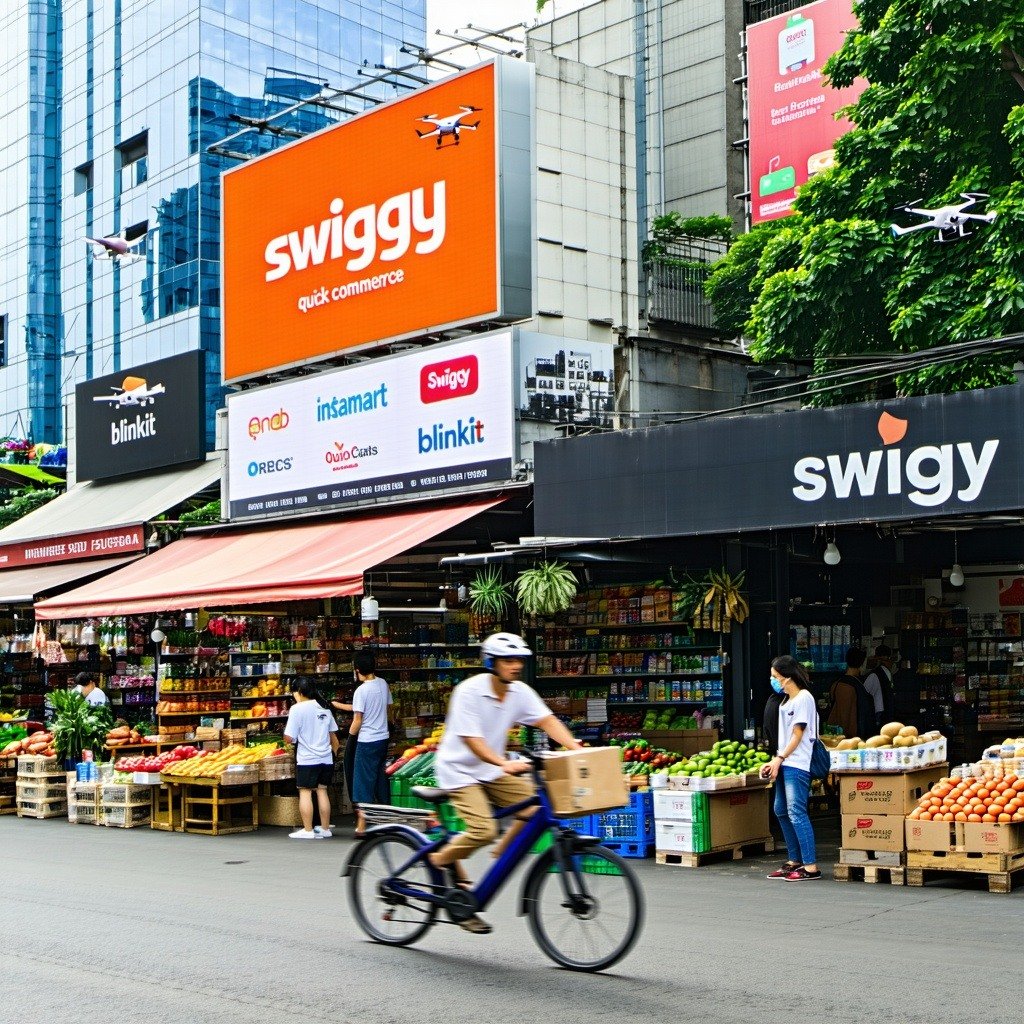
In India specifically, the rise of quick commerce platforms like Blinkit and Swiggy Instamart has validated hyperlocal delivery as a viable, scalable business model. According to a 2024 Inc42 report, India's quick commerce market — a subset of hyperlocal delivery — is projected to reach $5.5 billion by 2026, growing at over 75% YoY.
Top 15 Hyperlocal Delivery Companies in India (2026): Features, Pricing & Ratings
India's hyperlocal delivery ecosystem has matured rapidly, with a mix of pure-play logistics providers, quick commerce platforms, and grocery aggregators offering differentiated models. Here are the leading players:
| Name | Service Type | Features | Pricing | Rating |
| MOVER | Hyperlocal Quick Delivery App | 2W/3W/4W fleet, OTP-secured delivery, Real-time tracking | From ₹36 for 3 km | ★ 4.5 / 5 |
| Swiggy Genie | On-Demand Pick-up & Delivery | Parcels, medicines, documents, 15+ cities | From ₹40 for 2 km | ★ 4.4 / 5 |
| Blinkit | 10-Minute Grocery Delivery | Dark store model, 30+ cities, Daily essentials & FMCG | From ₹29 | ★ 4.4 / 5 |
| Lalamove | On-Demand B2B & B2C Logistics | Bikes to mini trucks, Rotational deliveries, Real-time tracking | Base ₹50 | ★ 4.6 / 5 |
| Borzo (WeFast) | Same-Day Courier for All Needs | COD supported, Wide city coverage, Scheduled & instant delivery | From ₹35 | ★ 4.3 / 5 |
| Porter | On-Demand Intra-City Logistics | Bikes to trucks, Multi-modal fleet, B2B & B2C | From ₹250 | ★ 4.4 / 5 |
| Rapido | Bike Taxi & Parcel Delivery | Quick commerce integrations, D2C partnerships, Cashless | From ₹15 | ★ 4.4 / 5 |
| Shadowfax | Pan-India Last-Mile & Hyperlocal | 1,100+ cities, B2B logistics, Quick commerce, Volume-based pricing | Not mentioned | ★ 4.0 / 5 |
| BigBasket | Fresh Grocery Delivery |
Neighborhood store partnerships, Priority membership, Perishables
|
For a deeper analysis of hyperlocal logistics providers in the Middle East, see ClickPost's guide to top shipping and courier aggregators in UAE. For comprehensive NDR management to reduce hyperlocal delivery failures, see how ClickPost helps brands reduce return-to-origin rates in e-commerce.
Hyperlocal Delivery vs. Last-Mile Delivery: What's the Difference?
While both hyperlocal and last-mile delivery solve the "final stretch" problem of getting goods from a supply point to a customer, they operate on fundamentally different scales, speeds, and infrastructure. Understanding the distinction is critical for businesses choosing the right fulfillment strategy.
| Feature | Hyperlocal Delivery | Last-Mile Delivery |
| Delivery Radius | 2–10 km (specific neighborhoods or pin codes) | City-wide to inter-state; no strict geographic cap |
| Delivery Time | 10 minutes to 2–4 hours (ultra-fast) | Same-day to 3–7 days depending on distance |
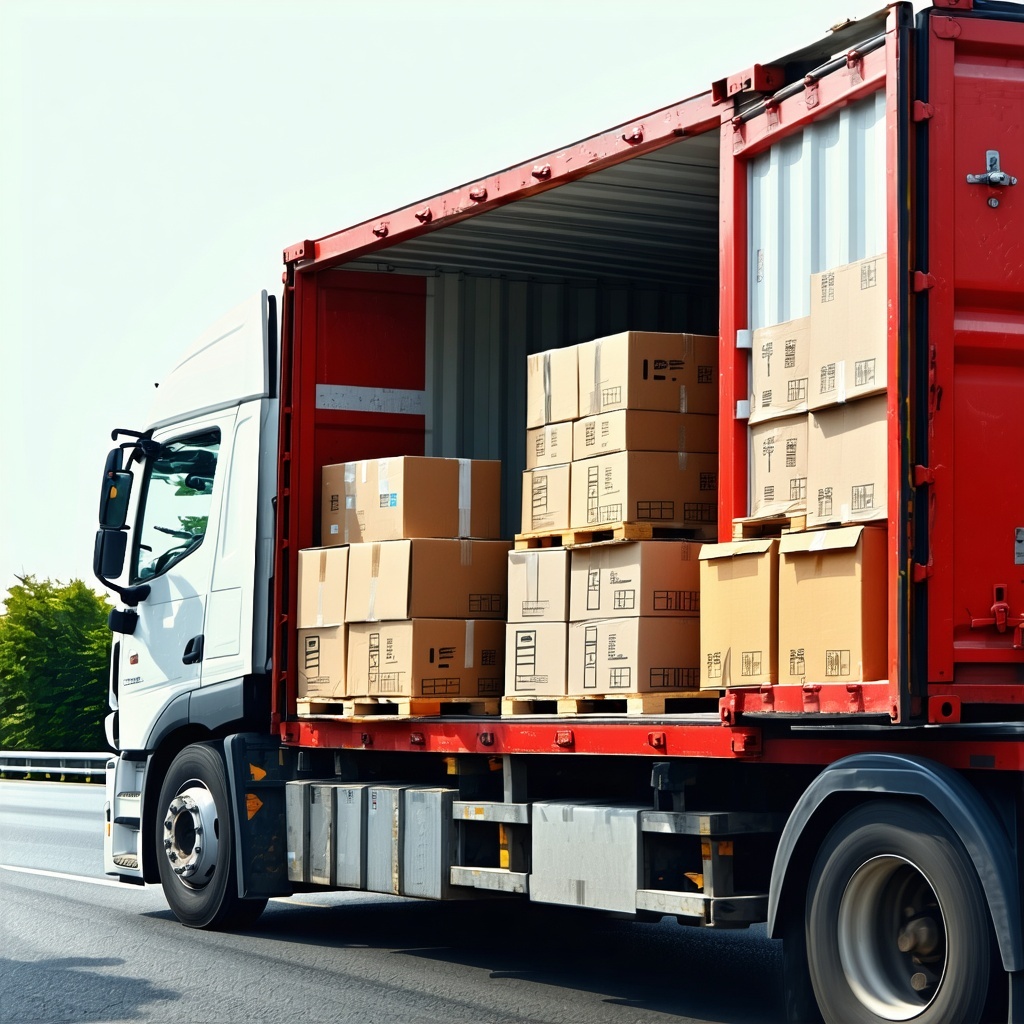
| Fulfillment Origin | Local stores, dark stores, neighborhood vendors | Centralized warehouses or regional distribution hubs |
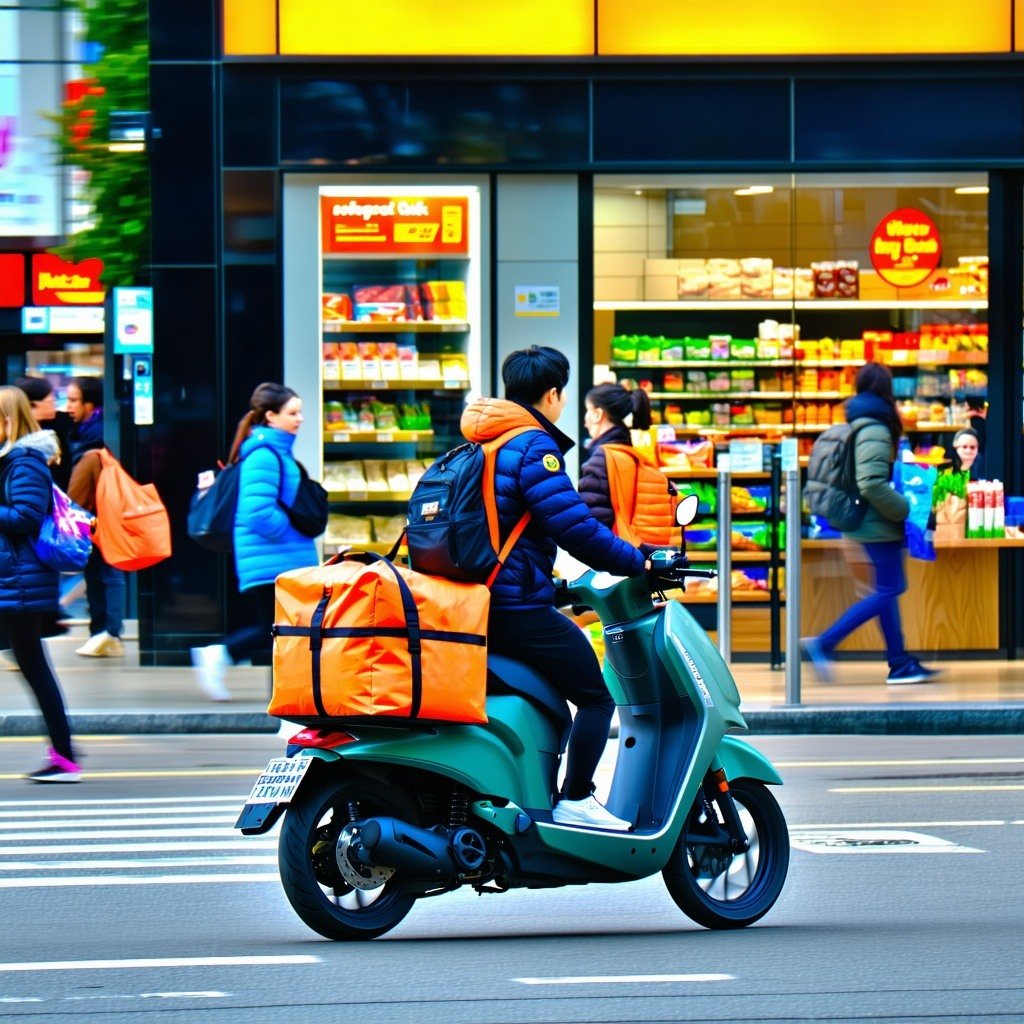
| Vehicle Type | Bicycles, motorcycles, e-bikes, scooters | Vans, trucks, 3-wheelers, mixed fleet |
| Product Fit | Perishables, groceries, medicines, prepared meals, documents | Electronics, furniture, apparel, large/heavy items |
| Inventory Model | Decentralized (held at local vendor level) | Centralized (held at warehouses or fulfillment centers) |
| Cost per Delivery | Lower for dense urban routes; higher unit economics at scale | Cost-effective for bulk and long-distance shipments |
| Technology Dependency | High — real-time routing, GPS, automated dispatch are essential | Moderate — routing and tracking are helpful but less critical for speed |
Pro tip for logistics managers: Many enterprise businesses run both models in parallel — last-mile for large SKUs and cross-city orders, hyperlocal for time-sensitive, high-frequency replenishment. ClickPost's multi-carrier platform helps you orchestrate both seamlessly.
How Does an E-commerce Hyperlocal Marketplace Work? Step-by-Step
A hyperlocal marketplace connects local supply (vendors, stores, restaurants) with local demand (customers within a short radius) through a technology layer that coordinates order management, dispatch, routing, and tracking all in real time. Here is the end-to-end workflow:
Step 1: Cataloging Local Store Inventory in Real Time
Partner stores upload their product catalogs, including real-time stock levels, pricing, and images to the platform. Advanced inventory management systems sync this data automatically, ensuring customers only see available items.
Step 2: How Customers Place Orders on a Hyperlocal Platform
The customer browses the platform (app or web), selects items, and places an order. The platform detects the customer's location and shows only stores within the configured delivery radius, typically in 2–10 km.
Step 3: Smart Order Routing to the Nearest Available Store
The platform's algorithm identifies the optimal vendor based on proximity, stock availability, and current load. In multi-vendor scenarios, items from different stores can be batched into a single order with a hub pickup. This is where order management software plays a critical role in accuracy and speed.
Step 4: Automated Dispatch to the Nearest Delivery Partner
Once the store confirms the order, the dispatch management system auto-assigns the nearest available delivery partner, factoring in location, current workload, and vehicle type. This reduces idle time and cuts average dispatch-to-pickup times to under 5 minutes for optimized networks.
Step 5: Live GPS Tracking From Store to Doorstep
The customer receives live GPS tracking of their order — from store pickup to doorstep delivery. Notifications are sent at key milestones (order confirmed, out for delivery, arriving in 2 minutes). This transparency is a critical driver of customer satisfaction and can be enhanced through a branded tracking page experience.
Step 6: Post-Delivery Feedback Loop and Continuous Improvement
Customer ratings and delivery feedback are fed back into the system to improve vendor performance scores, routing algorithms, and delivery partner rankings — creating a continuous improvement cycle that powers a stronger post-purchase experience.
The Future of Hyperlocal Delivery in India: Trends for 2025–2030
India is among the world's most fertile markets for hyperlocal delivery growth. With over 800 million internet users, a young mobile-first population, and rapidly growing disposable incomes in Tier 2 and Tier 3 cities, the structural conditions for hyperlocal commerce are stronger than ever.
5 Key Trends Shaping Hyperlocal Delivery in India Over the Next 3–5 Years
1. Expansion into Tier 2 and Tier 3 Cities
Hyperlocal delivery has historically been concentrated in metros. But according to a RedSeer report (2024), non-metro cities are the next frontier with digital adoption in Tier 2 cities growing at 2x the rate of metros. Platforms like Blinkit and Swiggy Instamart are actively expanding their dark store networks in cities like Jaipur, Lucknow, Coimbatore, and Indore.
2. Rise of Dark Stores and Micro-Fulfillment Centers
Dark stores — small customer-facing warehouses strategically placed within neighborhoods — are becoming the backbone of 10–15 minute delivery. According to Deloitte's 2024 Global Retail Outlook, retailers that invest in micro-fulfillment infrastructure see a 30–40% reduction in last-mile delivery costs over 3 years.
3. AI-Driven Demand Forecasting and Smarter Inventory Planning
AI and machine learning are transforming inventory management for local vendors — predicting demand spikes (festivals, weather events, local occasions) and automatically triggering replenishment. This prevents the stockouts that historically undermined hyperlocal reliability. Businesses exploring supply chain automation tools are finding these capabilities increasingly accessible.
4. EV-Powered Delivery Fleets for Greener Hyperlocal Operations
Electric two-wheelers are rapidly replacing petrol bikes as the vehicle of choice for hyperlocal delivery agents. Companies like Zypp Electric and Yulu are partnering with delivery platforms to electrify last-mile fleets. This aligns with India's net-zero commitments and reduces per-km operating costs by up to 40%.
5. ONDC-Enabled Hyperlocal Commerce
The Open Network for Digital Commerce (ONDC), India's government-backed e-commerce network, is enabling small neighborhood retailers to list on multiple platforms simultaneously — democratizing hyperlocal commerce beyond the Swiggy/Zomato duopoly and unlocking participation from kiranas, pharmacies, and artisan brands.
"Quick commerce is the fastest-growing segment in Indian e-commerce. Its success has proven that consumers will pay a premium — and remain loyal — to businesses that can reliably deliver within the hour." — Inc42 State of Indian E-commerce Report, 2024
The Technology Stack Powering Hyperlocal Delivery in 2026
Hyperlocal delivery is fundamentally a technology business. The speed, reliability, and unit economics that define successful hyperlocal operations are all downstream of a well-integrated technology stack. Here are the eight critical technology pillars:
1. Real-Time GPS Tracking
Continuous location data from delivery agents, shared live with customers and operations managers. Reduces delivery anxiety and enables proactive rerouting. Platforms that invest in last-mile carrier tracking see measurable improvements in customer satisfaction scores.
2. AI Route Optimization
Machine learning algorithms dynamically calculate the fastest delivery paths, factoring in live traffic, road conditions, multiple drop-offs, and delivery time windows. Purpose-built delivery route planning and optimization software is increasingly essential for hyperlocal operators managing high order volumes.
3. Automated Dispatch Systems
Rule-based and AI-driven dispatch engines assign orders to the nearest available delivery partner within seconds, eliminating manual coordination and reducing dispatch-to-pickup time. Dispatch management software is a core investment for any hyperlocal platform aiming for sub-5-minute response times.
4. Cloud-Based Operations and Logistics Intelligence
Cloud platforms centralize order data, inventory visibility, and analytics — enabling businesses to scale operations across cities without proportional infrastructure investment. This is a foundational component of modern logistics automation systems.
5. Smart Inventory Management and Demand Forecasting
AI-driven demand forecasting helps local vendors maintain optimal stock levels — preventing stockouts during peak demand and reducing waste for perishable inventory. Leading inventory management companies now offer hyperlocal-specific modules for dark store operations.
6. AI Chatbots & Customer Experience Automation
Conversational AI handles order status queries, delivery rescheduling, and complaint resolution which reduces customer support load by up to 60% while maintaining 24/7 availability. Connecting this to WhatsApp API for e-commerce notifications creates a seamless, low-friction customer experience.
7. Digital Payment Gateways
UPI, digital wallets, and card integrations enable frictionless checkout — critical for impulse purchases and time-sensitive orders where payment friction causes abandonment.
8. Proof of Delivery (PoD) and Order Accountability
OTP-based, photo, or a digital signature generator provides reliable proof of delivery and accountability — reducing disputes and protecting both merchants and delivery partners in high-volume operations. This feeds directly into e-commerce order tracking workflows that keep customers informed at every step.
ClickPost integrates with all these technology layers through its API integration platform, enabling businesses to plug hyperlocal carrier data into a unified logistics intelligence layer.
Hyperlocal Delivery Across India's Major Cities: What to Expect
Hyperlocal delivery is not monolithic. Its implementation, demand patterns, and leading players vary significantly by geography. Here is a snapshot of the hyperlocal delivery landscape in India's key urban centers:
Hyperlocal Delivery in Bengaluru: India's Fastest-Adopting Market
As India's tech capital, Bengaluru leads in hyperlocal delivery adoption, particularly in groceries (Blinkit, BigBasket), food (Swiggy, Zomato), and B2B logistics (Shadowfax, Porter). High disposable incomes, a young working population, and dense apartment clusters make it the ideal hyperlocal market. Average delivery radius: 3–5 km. Average fulfillment time for quick commerce: 12–18 minutes.
Hyperlocal Delivery in Mumbai: Navigating Dense Urban Geography
Mumbai's dense geography and heavy traffic make hyperlocal delivery both challenging and essential. Bike-based delivery is the only viable mode for large swaths of the city. MOVER and Lalamove lead in B2B document and parcel delivery, while Swiggy Genie dominates personal errand fulfillment. Notable growth in pharmaceutical hyperlocal delivery across South and Central Mumbai.
Hyperlocal Delivery in Delhi NCR: India's Largest Quick Commerce Market by GMV
Delhi NCR is one of India's largest hyperlocal markets by GMV. Blinkit (formerly Grofers) originated and remains strongest here. The market spans a wide geographic area, making micro-zoning — dividing the NCR into sub-service areas — essential for operational efficiency. Noida and Gurugram have seen rapid growth in hyperlocal delivery for home essentials and personal care. For businesses in Noida, reviewing the top courier services in Noida can help identify the right hyperlocal partners.
Hyperlocal Delivery in Tier 2 Cities: Pune, Jaipur, Indore, and Lucknow
These markets represent the next wave of hyperlocal expansion. Lower competition, growing digital literacy, and an emerging middle class are attracting investment from both established platforms and regional startups. The average order value in Tier 2 hyperlocal markets is 15–20% lower than metros, but order frequency is rising faster, driven by first-time online shoppers. Cities like Indore and Pune are seeing particularly strong growth as local courier infrastructure matures.
Streamline Your Hyperlocal Logistics with ClickPost
Real-time tracking, automated dispatch, and multi-carrier integration — built for hyperlocal scale. Trusted by 500+ brands across India.
Why the Hyperlocal Delivery Revolution Is Here to Stay?
Hyperlocal delivery is not a trend. It is a structural transformation in how goods move from seller to buyer in urban and semi-urban India. The convergence of smartphone penetration, digital payments, AI logistics technology, and shifting consumer expectations has created a market where speed is a product feature, not just an operational goal.
For e-commerce brands, D2C companies, and local retailers, the path forward is clear: adopt a hyperlocal delivery model, partner with the right technology providers, and invest in the operational infrastructure — whether dark stores, EV fleets, or multi-carrier integrations — that will allow you to meet the rising bar of consumer expectations.
ClickPost's logistics intelligence platform helps brands across India manage hyperlocal and national delivery at scale with real-time carrier visibility, automated e-commerce operations, and seamless API integrations with 350+ carrier partners.
Frequently Asked Questions About Hyperlocal Delivery
What is hyperlocal delivery and how is it different from regular delivery?
Hyperlocal delivery is the fulfillment of customer orders within a tightly defined geographic area, typically 2–10 km with delivery times ranging from 10 minutes to a few hours. It connects nearby vendors to customers via digital platforms, using bikes or scooters for ultra-fast, last-mile fulfillment. Unlike national e-commerce logistics, hyperlocal models source inventory from neighborhood stores or dark stores rather than centralized warehouses.
What are the key benefits of hyperlocal delivery for e-commerce businesses?
The key benefits include: significantly faster delivery times (same-hour vs. same-day or longer), lower fulfillment costs through decentralized local sourcing, higher customer retention rates due to convenience, better support for perishable and time-sensitive categories, and the ability to compete with large marketplaces on delivery speed without owning warehouse infrastructure. Brands investing in e-commerce fulfillment infrastructure are best positioned to capitalize on these advantages.
How does hyperlocal delivery improve last-mile logistics efficiency?
Hyperlocal delivery improves last-mile logistics by radically shortening the delivery distance — from warehouse-to-door (often 20–50 km) to store-to-door (2–10 km). This reduces transit time, fuel consumption, delivery failures, and per-shipment costs. Real-time GPS tracking, automated dispatch, and AI route optimization further increase efficiency within the hyperlocal radius.
What types of products are best suited for hyperlocal delivery?
Hyperlocal delivery is best suited for: perishable goods (groceries, fresh produce, dairy), time-sensitive items (medicines, medical supplies), prepared food, personal care and hygiene products, documents and small parcels, and daily household essentials. Products with large dimensions, heavy weight, or requiring specialized handling (appliances, furniture) are better served by traditional last-mile delivery companies.
What is the difference between hyperlocal delivery and quick commerce (q-commerce)?
Quick commerce (q-commerce) is a specific, high-speed subset of hyperlocal delivery, typically promising delivery in 10–30 minutes using dark stores. Hyperlocal delivery is a broader category that includes q-commerce but also encompasses deliveries of up to a few hours, courier services, and B2B local logistics. All q-commerce is hyperlocal, but not all hyperlocal delivery is quick commerce.
How big is the hyperlocal delivery market in India in 2026?
India's hyperlocal delivery market is one of the fastest-growing in the world. The quick commerce segment alone is projected to reach $5.5 billion by 2026 (Inc42, 2024). The broader global hyperlocal delivery app market is forecast to grow from $1.74 billion in 2024 to $13.35 billion by 2034 at a CAGR of 22.6%. India, with its mobile-first population and urban density, is expected to account for a significant share of this growth. Businesses looking to scale should also review delivery management software options to support rapid expansion.



We use cookies to keep the site working, understand usage, and improve your experience. Learn more
Always active for essential site performance and security.
Enables anonymous usage analysis to refine our services.
Used to present relevant promotions and advertising.