%20%20-%20Menu.svg)






In this blog
TL/DR Summary
Return journey touchpoints are the critical customer interactions that determine whether a retail return builds loyalty or permanently damages brand trust.
- 89% of customers repurchase from a brand after a positive return experience, according to Salesforce data.
- 67% of shoppers review a retailer's return policy before completing a purchase, making pre-purchase transparency essential.
- Optimizing six touchpoints—from policy review to refund issuance—converts dissatisfied customers into repeat buyers because each interaction signals brand reliability.
- Home pickup is the preferred return method for 36% of customers, requiring retailers to offer flexible multi-channel return options.
- Fast refunds, bonus store credits, and real-time status updates via email, SMS, and WhatsApp directly reduce post-purchase anxiety and increase retention.
Returns are a natural part of retail. No matter how seamless your product or service, some customers will always need to send the items back to the sellers, whether it's due to a sizing problem, unmet expectations, or a simple change of mind.
Here's the twist: returns aren't always a loss.
Sure, it can take a serious toll on margins, but when executed well, it builds the kind of loyalty that wins customers back. Every touchpoint in the returns journey is a chance to build trust and leave a positive impression among customers.
In this guide, we'll walk you through 6 critical touchpoints in the returns journey and give you actionable tips on how to optimize each touchpoint to establish a lasting customer value.
Why Are Return Touchpoints Critical for a Smooth Ecommerce Return Experience?
Return touchpoints refer to the key moments or interactions customers have with the brand during the return journey. These are the crucial moments that shape the buyers' perspective regarding the company. When optimized properly, return touchpoints lead to several positive outcomes. These include:
1. How Return Touchpoints Help You Craft Memorable Post-Purchase Experiences
A return journey consists of several key touchpoints. Optimizing each touchpoint (from the moment a customer makes up his mind to initiate a return to the moment of obtaining refunds) can significantly turn the negative experience into a reassuring one. And once a customer feels valued and heard, their perception of the brand changes, which makes them stick around. A well-designed post-purchase experience starts long before the refund is issued — it begins the moment a customer decides to make a return.
2. How a Seamless Returns Process Protects Your Brand Image
Think of a return journey as a bridge back to trust, and the touchpoints are the planks that hold it together. If one plank is shaky and unstable, the customer may go back. But if each touchpoint is solid and well-maintained, the whole journey feels safe to them. Even if the initial purchase shakes their trust, a smooth return with well-optimized touchpoints reflects the trustworthiness of your brand. This is especially important in ecommerce logistics, where customers can't physically inspect products before buying.
3. How Optimized Return Touchpoints Drive Customer Loyalty and Retention
A return is no doubt a frustrating moment for shoppers. But, well-optimized return touchpoints turn this frustrating moment into a golden opportunity to win customer loyalty and repeat business.
When they feel supported and heard throughout the process, it makes them remember your brand when they think of the next purchase. In fact, the study also claims the same. According to Salesforce data, 89% of customers will buy from a brand next time if they have a good experience. Understanding ecommerce return statistics reveals just how much a positive returns experience influences long-term retention rates.
4. Why a Better Return Experience Gives You a Competitive Advantage
In today's market, when every brand is trying hard to grab customers' attention, a seamless return experience can be a winning point in this case. By optimizing each return experience along the way, you'll not only meet customers' expectations but also stay ahead of the curve. Brands that invest in a strong post-purchase strategy for ecommerce consistently outperform competitors who treat returns as an afterthought.
Top 6 Critical Touchpoints in an Ecommerce Return Journey (And How to Optimize Each One)
Now that you have an overview of the importance of return touchpoints, let's have a look at the top 6 crucial touchpoints in the return journey.
1. How to Optimize Your Return Policy Page for Pre-Purchase Transparency
The return experience begins even before the purchase is made. Customers are more likely to commit and hit the 'buy' button when they get upfront clarity on the pre-purchase moments. Conversely, if they are kept in the dark and confused regarding the purchase, the chance of returning the item and frictions during the process is high. As per the study, around 67% of customers check the return page before purchasing. A clearly written shipping and return policy that sets honest expectations is one of the most effective ways to reduce friction and prevent avoidable returns.
To provide pre-purchase transparency, you need to put a few practices in place.
These include:
-
Include a well-defined return policy: A transparent return policy includes components like clear return windows, eligibility of returns, conditions of returned items, return process details, shipping costs, etc. Take the example of the D2C footwear and apparel brand, Allbirds. They have a quite easy-to-understand return policy, along with quick facts and FAQs to eliminate future confusion.
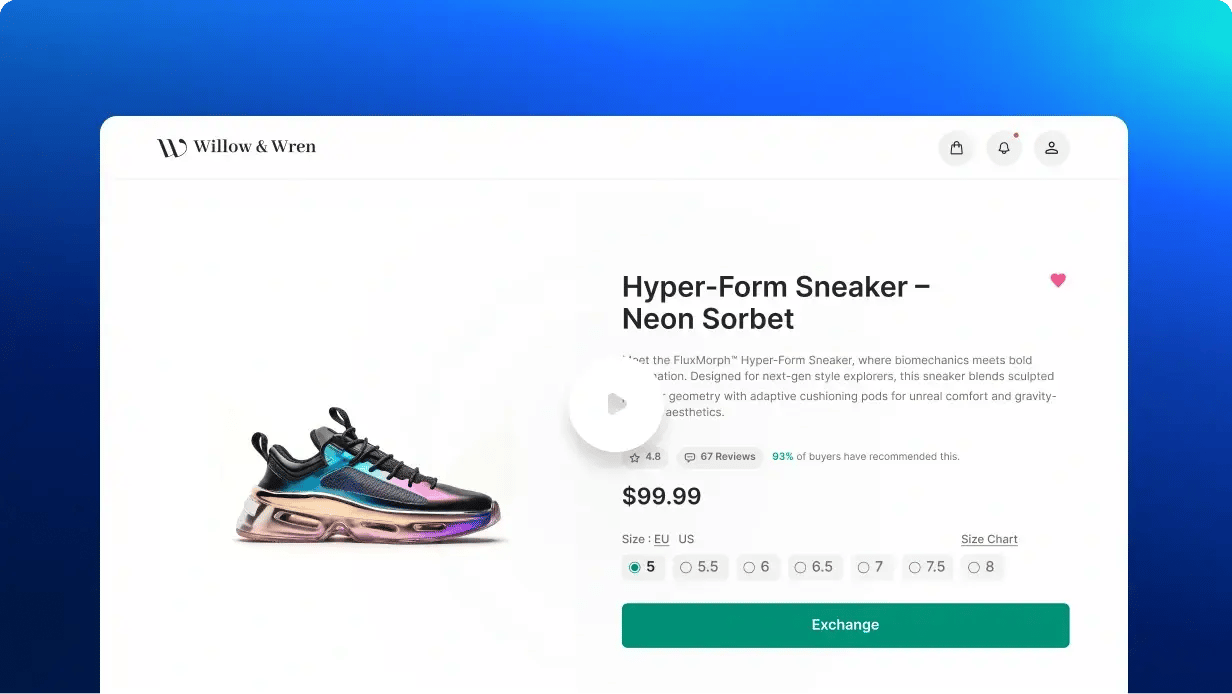
- Provide a detailed product description: Unlike in-store shopping, where customers easily touch and feel the product, online shopping relies more on visual cues and assumptions. Because of this, it’s necessary to provide in-depth product information like high-quality images, dimensions, materials, sizing guides, etc., to reduce the likelihood of returns. If you embed shoppable videos, even better.
- Collect Customer reviews: Data suggests that 77% of shoppers look for websites with reviews and ratings. In fact, this is one of the factors that minimizes the chances of returns. When customers get clarity on how the product will look in real life, it significantly reduces unnecessary returns.
2. How to Simplify the Return Initiation Process for Ecommerce Customers
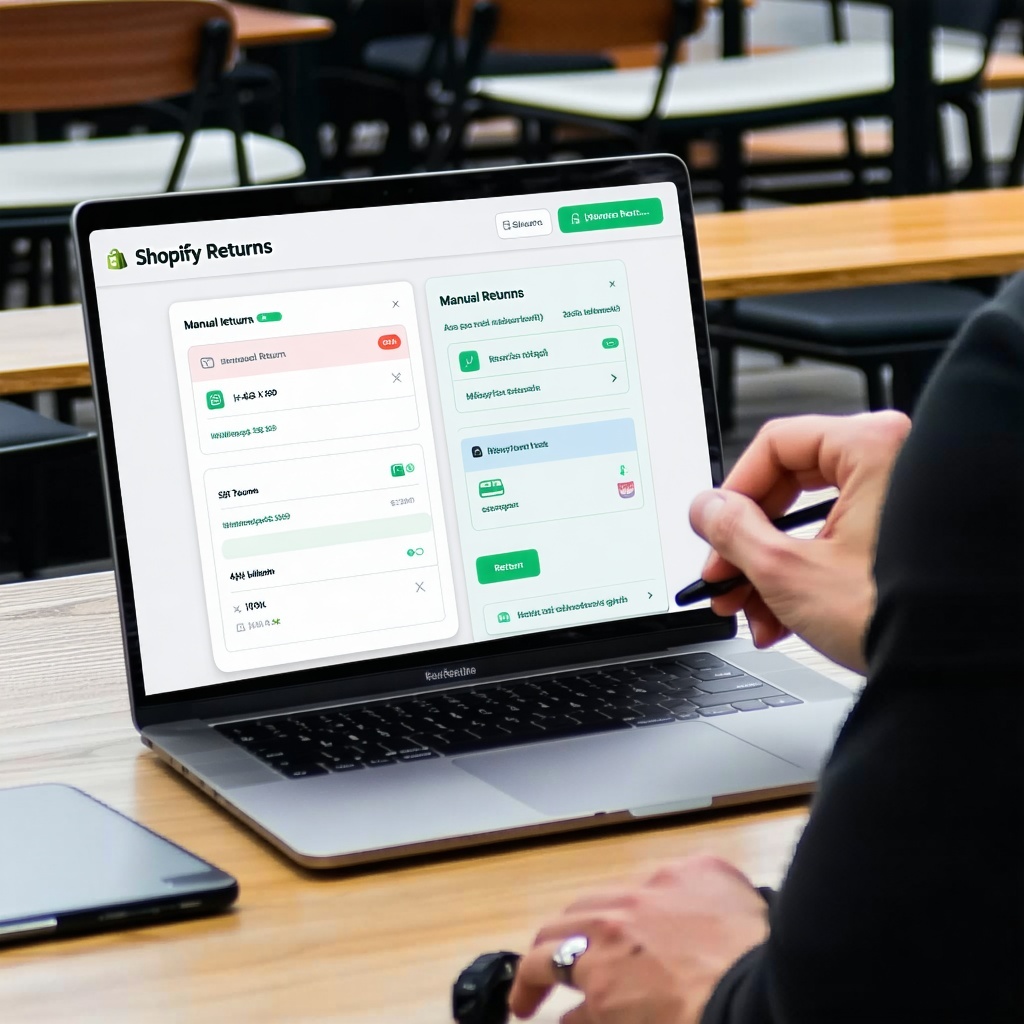
A return indicates the dissatisfaction customers had with the purchase. This dissatisfaction can intensify if they need to contact multiple departments just to initiate a return. So, it's important to simplify the return initiation process for customers. Brands using automated Shopify returns or dedicated self-serve portals have seen significant reductions in customer service load at this stage. You can simplify the process by:
- Adding a "Start the return" option on the website or app
- Ensuring minimal steps in the initiation process
- Automating the return request review
- Offering live chat support
Doing this, you can improve customer trust and the likelihood that they buy from you next time, even after a dissatisfaction with the purchase.
3. Why Offering Multiple Return Methods Is a Key Touchpoint in the Returns Journey
The return method itself is a critical return touchpoint. If the return process feels inconvenient and restrictive, it amplifies disappointment, especially when each customer has their own preferred way to make returns. In such a situation, it's better to offer multiple options for returns. These can include drop-off at courier points, in-store returns, drop-off at parcel lockers, or simply home pickup. Brands working with reverse logistics companies are better positioned to offer this kind of flexibility across geographies.
In fact, home pickup is considered one of the most preferred return options because around 36% of customers want the convenience of home pickup while returning items. When you offer flexible return options to shoppers, they get more control of the entire process, which improves their satisfaction. The right reverse logistics software can help you manage multiple return methods without adding operational complexity.
Adidas does the same. Not only does it arrange home pickup options, but it also offers different return options depending on where customers have purchased the products.
4. How Real-Time Return Status Updates Reduce Customer Anxiety and Improve Satisfaction
Just as customers want on-time updates about their parcels during delivery, they also want timely updates once they have initiated the return. Why? When customers get clear updates on what's happening with their returns—whether they've been approved, processed, or are still pending—it reduces their anxiety, confirming to them their returns are not lost or ignored.
Alongside these, it helps them set clear expectations on when the item will be picked up and when they can expect the refund. And most importantly, when brands offer on-time status updates on returns, it sends shoppers a message of respect that reinforces customer satisfaction and brand loyalty.
You can adopt the multi-channel approach (including email, WhatsApp for ecommerce, and SMS) to offer on-time updates to shoppers to ensure customers get updates through their preferred platforms. Proactive delivery tracking notifications on WhatsApp work just as effectively for returns as they do for outbound shipments.
5. How Bonus Credit and Loyalty Perks During Returns Can Boost Customer Retention
Offering bonus credit & loyalty perks during return is more than just a touchpoint. It's a way of strengthening your bond with shoppers. Instead of processing the same refund amount, you can offer bonus credit, extra points, or exclusive discounts to make returns rewarding for customers. At the same time, it also makes shoppers feel valued and appreciated and flips the disappointment into delight. This approach is particularly effective for D2C brands in India and globally, where building direct customer relationships is central to growth.
Apparently, bonus credit may seem like spending extra on the return amount. But if you look at the other side of the coin, this approach improves cash flow by directly boosting repeat purchases and customer retention.
6. What Is the Standard Refund Timeline and How to Offer Fast, Flexible Refunds in Ecommerce
The thrill of eagerly waiting for a parcel turns into an anxious wait for the refund during the return process. Customers repeatedly check their inboxes to see the refund update. However, it's not about issuing the refunds, but it's about how smoothly and conveniently you make it happen. According to the study, around 30% of customers believe fast refunds lead to a pleasant return experience.
Typically, 5-7 days is the standard refund timeline, depending on the payment method used. In fact, offering different payment options like credit cards, UPI transfers, net banking, and third-party payment gateways proves to be a game-changer to win customer trust. Using the right returns management software can help automate refund processing and reduce the time customers spend waiting — which directly impacts their likelihood of returning to shop again.
Glossier (a US-based beauty brand), for example, offers a number of payment options, such as credit/debit, PayPal, Apple Pay, store credits, and more, to provide customers with ultimate flexibility on refunds. For merchants looking to understand how to handle return labels and refund workflows end to end, having a streamlined system in place is non-negotiable.
How to Refine Return Touchpoints with Smart Returns Management Technology
As you saw, each touchpoint is a defining moment of customer experience, and optimizing each of them is the key to turning a return into a loyalty driver. With the right technology solution, you can make this transformation even more seamless and easier. Meet ClickPost, a multi-carrier shipping software that has been designed to refine the logistics process, from pre-purchase and post-purchase to refunds. It comes pre-integrated with 500+ logistics partners worldwide and offers various solutions to take care of your end-to-end shipping solutions.
ClickPost's returns management solution, ClickPost Returns and Exchange, has been especially designed to optimize return touchpoints and slash unnecessary return-related costs. Brands looking for the best Shopify returns apps or enterprise-level solutions will find that ClickPost delivers the automation and flexibility needed to handle returns at scale. Its key services include:
- A customizable self-serve return portal to help customers initiate returns easily
- An automated system to speed up return rejections/approvals
- Automated return and refund notifications to shoppers via multiple channels to reduce their anxiety and improve loyalty
- Policy personalization and return window configuration for better return management
- Price difference adjustments during exchanges
- Store credits, gift cards, and strategic exchange nudges to shoppers to improve cash flow
Don't just take our word for it. Here's what the project manager of Aditya Birla Group has to say about ClickPost:
Every Return Counts — And So Does Every Touchpoint in the Returns Journey
Returns are not only about retrieving items; they're about retaining customers. From the moment a customer checks the return policy before initiating a return to the moment of receiving a refund — every touchpoint counts. Each of these interactions is an opportunity to either reinforce customer trust or lose it forever. When optimized properly, they can reduce your ecommerce return rate over time and turn an unsatisfied customer into a loyal retainer. Brands that also focus on ecommerce automation across their returns workflows are best positioned to deliver consistency at every touchpoint without adding headcount.
In this process, the right technology solution is a must-have in your tech stack. However, ClickPost has your back at each step of the process. Book a demo here if you want to know more about its value proposition and how it can change the negative return into a positive experience.