.png?width=193&height=27&name=ClickPost%20Logo%20(Blue).png)
.svg)
.svg)
.svg)
.svg)
.webp?width=286&height=206&name=ROI%20Calculator%20(2).webp)
.svg)
.svg)
.svg)
.svg)
.svg)
.svg)
.svg)
.svg)
.svg)
.webp?width=286&height=206&name=Frame%201171276203%20(11).webp)
.svg)
.svg)
.svg)
.svg)
.webp?width=286&height=206&name=ROI%20Calculator%20(3).webp)
.svg)

.svg)
.svg)
.svg)
.webp?width=286&height=206&name=ROI%20Calculator%20(4).webp)
Top 15 Fulfillment Companies in 2026: Compare 3PLs, FBA & OMS Providers


Ready to delight customers after checkout?
Trusted by 600+ brands
In this blog
TL;DR – The Best Fulfillment Company Alternatives in 2026
With 15 providers spanning global networks, flat-fee pricing, and 100% accuracy guarantees, choosing the wrong 3PL means paying for features your business doesn't need.
- Amazon FBA – Best for Amazon Prime sellers globally
- ShipBob – Best for high-growth DTC brands worldwide
- eFulfillment Service – Best for startups with no order minimums
- Flexport (formerly Deliverr) – Best for speed and multi-channel fulfillment
- ShipMonk – Best for subscription boxes and high SKU counts
- ShipNetwork (formerly Rakuten Super Logistics) – Best for domestic accuracy with 100% guarantee
- Red Stag Fulfillment – Best for heavy and oversized product sellers
- ShipHero – Best for hybrid in-house and 3PL operations
Why Choosing a Fulfillment Partner Has Become a Strategic Decision
Fulfillment used to be a back-office function. In 2026, it sits at the center of unit economics, customer retention, and brand equity.
Order volumes have outgrown the spreadsheet era. Customer expectations were reset by Amazon Prime, which now sets the implicit benchmark for two-day delivery across most US zip codes.
According to recent studies, 89% of shippers describe their 3PL relationships as successful. Outsourced fulfillment continues to outpace in-house operations across every major vertical.
At the same time, 76% of 3PLs report rising labor costs in 2026 Q1 surveys, up from 70% in 2025 as specialized warehouse tech-talent needs intensify. This is pushing the entire category toward automation, AI-driven routing, and tighter integration with brand-owned tech stacks.
For ecommerce operators, the fulfillment provider is now an extension of the product. A delayed shipment, a damaged package, or a generic tracking page erodes brand equity built upstream.
This guide compares 15 of the most relevant fulfillment companies for ecommerce brands in 2026. It breaks down their pricing structures, walks through the operational stages of fulfillment, and explains how to evaluate providers against your own order data.
What Is a Fulfillment Company?
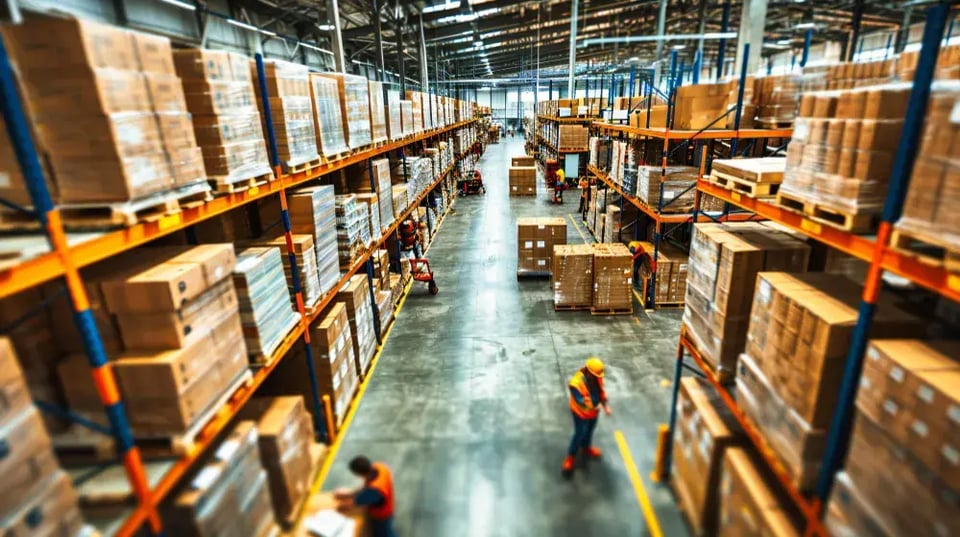
A fulfillment company is a third-party provider that receives, stores, picks, packs, and ships orders on behalf of an ecommerce brand. Most also handle returns processing.
The brand retains ownership of inventory and customer relationships. The provider operates the warehouse and physical execution layer.
Fulfillment companies differ from freight forwarders, which move bulk inventory between countries. They also differ from carriers (FedEx, UPS, DHL, Delhivery, Aramex), which perform the actual transportation. A fulfillment provider sits between the two, converting a customer order into a labeled, scanned, dispatched parcel.
Fulfillment Models Compared: 3PL vs. FBA vs. OMS
Three operating models sit behind most providers in this list. Each suits a different stage of brand maturity.
| Model | What It Is | Branding Control | Best For | Examples |
| 3PL | Independent provider managing warehousing, pick/pack, and shipping | Full Control: Brand retains total control over packaging and CX | Multi-channel sellers wanting flexibility and brand identity |
ShipBob, Red Stag, Shipfusion
|
| FBA | Amazon's in-house fulfillment service | No Control: Amazon controls the box, tape, and customer experience | Amazon-first sellers wanting Prime eligibility and high trust | Amazon FBA |
| OMS-led | Software layer routing orders across various nodes/warehouses | Full Control: Execution by 3PLs or own facilities; tech-driven | Multi-channel, multi-warehouse brands with complex routing |
ShipHero, WareIQ
|
The OMS-led model is the fastest-growing of the three because it decouples software from physical execution. Brands plug multiple 3PLs, dropship vendors, and store fulfillment locations into one routing brain.
The result is centralized control over routing rules, inventory visibility, and channel-level service levels. Brands operating across two or more fulfillment partners typically reach an OMS tipping point between 20,000 and 50,000 orders per month.
The 15 Best Fulfillment Companies to Evaluate in 2026
Accuracy claims are vendor-reported. Independent verification is rarely available, which is why peer references and your own pilot orders matter more than published numbers.
| Company | Best For | Regions | Integrations | Pricing |
Accuracy Claim
|
| Amazon FBA | Amazon Prime sellers | Global | Amazon ecosystem | Tiered/Complex |
99.8% (Target)
|
| ShipBob | High-growth DTC brands | Global (60+ FCs) | 100+ | Quote-based | 99.90% |
| eFulfillment Service | Startups, no MOQs | US (Midwest) | 20+ | Transparent |
High (Internal)
|
| Flexport (formerly Deliverr) | Speed & multi-channel | US, EU | 50+ | Flat-fee per unit | 99.70% |
| ShipMonk | Subscription & High SKU | US, EU, MX | 80+ | Moderate | 99.90% |
| ShipNetwork (formerly Rakuten Super Logistics) | Domestic accuracy | US (10+ Hubs) | 40+ | Quote-based |
100% Guarantee
|
| Red Stag Fulfillment | Heavy & oversized SKUs | US | 30+ | Premium |
100% ($50/error)
|
| ShipHero | Hybrid In-house/3PL | US, CA, EU | 50+ | SaaS + FaaS | 99.90% |
| Shipfusion | First-time outsourcers | US, CA (4 nodes) | 35+ | Moderate | 99.90% |
| WareIQ | India Metro speed | India (20+ cities) | 40+ | Standard | 99.80% |
| Hatch Fulfillment | Asia-to-US sourcing | US, CN, VN | 25+ | Bundled | 99.50% |
| APS Fulfillment | 24-hour turnaround | US | 30+ | Quote-based | 99.50% |
| Boxzooka | B2B & International | US, EU, UK | 35+ | Quote-based | 99.80% |
| Fulfillmate | Scale-focused brands | US, CA, AU | 25+ | Bundled | 99.60% |
| ShipStation Fulfillment | Micro-sellers | Global | 150+ | Subscription | N/A |
1. Amazon FBA
Fulfillment by Amazon stores inventory in Amazon warehouses, picks and packs orders, ships via Amazon's network, and handles customer service and returns. Listings receive the Prime badge.
Marketplace Pulse data shows Prime eligibility lifts conversion rates by 20-40% versus seller-fulfilled listings, the highest single-channel ROI for customer acquisition on-platform. The 2026 caveat is Amazon's tightened Inventory Performance Index (IPI) requirements: scores below 450 trigger storage surcharges that can erode 15% of margin overnight.
Best for: Sellers whose Amazon channel represents 40%+ of revenue.
Key features:
-
Prime badge eligibility across all FBA inventory
-
Multi-channel fulfillment (MCF) for non-Amazon orders
-
Built-in customer service and returns handling
-
Global Amazon warehouse network
Pricing model: Tiered fulfillment fees based on weight and dimensions, plus monthly storage fees that escalate during Q4 long-term storage windows. IPI-linked surcharges apply below 450.
Geographic coverage: Global, with the densest US, EU, and Japan networks.
Integrations: Amazon ecosystem only; limited connectivity to non-Amazon storefronts.
Limitations: Branded packaging, custom inserts, and post-purchase email control are restricted. Restock limits and IPI thresholds have tightened over the past three years.
2. ShipBob
ShipBob has surpassed 55 fulfillment centers globally as of Q2 2026, pivoting from a traditional 3PL into what it now positions as a "Global Fulfillment Engine." It is the default choice for Shopify and BigCommerce brands scaling past 1,000 orders per month.
The 2026 differentiator is ShipBob's "Geo-unlocked" program, where AI automatically rebalances inventory across nodes based on 30-day trailing demand. Distributed placement, branded packaging, and a usable dashboard set it apart from older 3PLs.
Best for: DTC brands on Shopify or BigCommerce shipping 1,000-50,000 orders/month.
Key features:
- 55+ fulfillment centers across the US, EU, Canada, and Australia
- Geo-unlocked AI-driven inventory rebalancing
- Branded box, insert, and gift note support
- Returns portal and exchange workflows
Pricing model: Quote-based with monthly minimums for premium tiers. Pick fees, storage, and shipping are billed separately.
Geographic coverage: Global (US, EU, Canada, Australia).
Integrations: 100+ connectors, including Shopify, BigCommerce, Amazon, Walmart, and TikTok Shop.
Limitations: Premium pricing relative to regional 3PLs. Service quality has historically varied by warehouse, so brands often run a 90-day pilot in a single node before expanding.
3. eFulfillment Service (eFS)
eFS is a Michigan-based family-owned 3PL that built its reputation on no setup fees, no minimum order requirements, and published pricing. For early-stage brands shipping under 1,000 orders per month, eFS removes the contract overhead that larger 3PLs require.
The trade-off is reach. eFS operates from a single Midwest hub, so coast-to-coast transit times run 3-5 days for ground shipments.
Best for: Startups and small brands under 1,000 orders/month.
Key features:
- No setup fees or volume minimums
- Published rate card visible before signing
- Kitting and bundling support
- Returns management is included in the base service
Pricing model: Transparent published rates, billed monthly. Pick fees start around $2.50 per order.
Geographic coverage: Single Midwest US hub.
Integrations: 20+ connectors, including Shopify, WooCommerce, Amazon, eBay, and Etsy.
Limitations: Single-node US coverage means transit times suffer for coastal customers. Limited support for oversized or heavyweight SKUs.
4. Flexport (formerly Deliverr)
Deliverr was fully absorbed into Flexport following the 2023/2024 acquisition. The combined entity now operates as Flexport Fulfillment, unifying freight (ocean and air) with distributed fulfillment under one platform.
The 2026 selling point is its port-to-porch visibility: a brand can track a SKU from a factory in Shenzhen to a doorstep in Chicago through a single dashboard. Two-day delivery badges across Walmart, eBay, and Shopify (Shop Promise) remain core to the offering.
Best for: Brands competing on delivery speed and managing freight plus fulfillment together.
Key features:
-
Unified ocean/air freight and US/EU fulfillment
-
Port-to-Porch SKU visibility from origin to the last mile
-
Shop Promise, Walmart 2-Day Tag, and eBay Fast 'N Free badges
-
Algorithmic inventory placement across nodes
Pricing model: Flat-fee per unit for fulfillment; freight priced separately by lane and volume.
Geographic coverage: US and EU.
Integrations: 50+ connectors including Walmart, eBay, Shopify, Wish, Target+, and Google Shopping.
Limitations: Storage costs penalize slow-moving SKUs. The integrated freight-plus-fulfillment model adds complexity for brands that already have established freight forwarders.
5. ShipMonk
ShipMonk specializes in subscription boxes, crowdfunding campaigns, and high-SKU DTC operations. The platform supports kitting at scale, recurring shipment scheduling, and integrates with Cratejoy and Subbly.
Brands should pin SLAs and billing rhythms in writing before signing, given mixed reviews on customer service responsiveness.
Best for: Subscription box operators and crowdfunding fulfillment.
Key features:
-
Subscription box and recurring shipment workflows
-
Crowdfunding campaign fulfillment
-
Kitting and assembly at scale
-
Real-time order and inventory visibility
Pricing model: Per-order pick fee plus per-additional-item, with kitting and assembly billed separately.
Geographic coverage: US (multiple FCs), EU, and Mexico.
Integrations: 80+ connectors, including Cratejoy, Subbly, Shopify, Amazon, and most major ecommerce platforms.
Limitations: Public complaints around billing transparency and peak-season customer service. SLA discipline depends heavily on the assigned account team.
6. ShipNetwork (formerly Rakuten Super Logistics)
ShipNetwork completed its rebrand from Rakuten Super Logistics in 2022 and now operates 10+ US hubs. The platform combines a 100% order accuracy guarantee with the Xparcel AI carrier-selection engine, which dynamically routes shipments based on cost, service level, and zone.
Late same-day cutoffs (up to 4 PM local), real-time pre-dispatch order editing, and Xparcel-driven shipping savings position ShipNetwork as one of the more technically mature US-only 3PLs. International coverage is minimal, so cross-border brands typically pair it with a second provider.
Best for: Mid-to-large US-only ecommerce brands prioritizing accuracy, SLA discipline, and carrier rate optimization.
Key features:
-
100% order accuracy guarantee
-
Xparcel AI-driven carrier and service-level selection
-
Late-cutoff same-day shipping (up to 4 PM local)
-
Real-time pre-dispatch order editing
Pricing model: Quote-based with volume tiers. Mid-market on per-order pricing; carrier savings are passed through partially.
Geographic coverage: 10+ US fulfillment hubs; minimal international.
Integrations: 40+ connectors, including Shopify, BigCommerce, Magento, and Amazon.
Limitations: Domestic-only network. EU or APAC expansion requires a second provider.
7. Red Stag Fulfillment
Red Stag remains the only 3PL that genuinely welcomes "ugly" freight: heavyweight, oversized, and high-value SKUs that generic networks penalize or refuse outright. The 100% accuracy guarantee is contractual rather than aspirational. If Red Stag misses a ship date or mis-picks an item, the brand is paid $50 per error.
The 2026 update is a video recording at every pack station, accessible to brands via the customer portal for dispute resolution. Independent reviews on Clutch and G2 consistently rank Red Stag among the most reliable US 3PLs for complex SKUs.
Best for: Brands shipping fitness equipment, furniture, electronics, or any SKU over 10 lbs.
Key features:
-
Contractual 100% accuracy guarantee with $50-per-error payout
-
Video-recorded pack stations accessible via the brand portal
-
Specialized handling for SKUs over 10 lbs
-
30-minute lost-package replacement guarantee
Pricing model: Premium per-unit fees, with monthly volume minimums.
Geographic coverage: US (East and West Coast FCs).
Integrations: 30+ connectors, including Shopify, BigCommerce, Amazon, and major ERPs.
Limitations: Higher per-unit cost. Volume minimums make it unsuitable for brands shipping under 500 orders/month.
8. ShipHero
ShipHero offers Fulfillment-as-a-Service plus a standalone WMS that brands can deploy in their own facilities. The dual model makes it useful for brands graduating from 3PL outsourcing to in-house operations, since the WMS layer carries over.
Customization is more limited than enterprise WMS systems like Manhattan Associates or Blue Yonder.
Best for: Brands wanting one platform across outsourced and in-house fulfillment.
Key features:
- Combined 3PL and standalone WMS offering
- Mobile pick-pack apps with barcode scanning
- Automation rules for order routing and tagging
- Real-time inventory across multi-warehouse setups
Pricing model: Per-order fulfillment fees for FaaS; SaaS subscription for standalone WMS.
Geographic coverage: US, Canada, and EU FCs; WMS deployable globally.
Integrations: 50+ connectors including Shopify, BigCommerce, Amazon, eBay, and ShipStation.
Limitations: Steeper learning curve than ShipBob or Shipfusion. Less customizable than enterprise WMS systems for complex warehouse layouts.
9. Shipfusion
Shipfusion balances usable software with hands-on account management. It now operates a coast-to-coast US footprint after expanding into the Pacific Northwest in 2025, alongside facilities in Chicago, Los Angeles, and Toronto.
For brands moving off in-house garage fulfillment for the first time, the onboarding experience is widely cited as smoother than larger competitors. The expanded coverage closes the transit-time gap that previously affected southern and Pacific Northwest customers.
Best for: SMB brands outsourcing fulfillment for the first time.
Key features:
-
Coast-to-coast US coverage with Pacific Northwest expansion
-
Hands-on onboarding and account management
-
Real-time inventory dashboard
-
Custom packaging and kitting
Pricing model: Quote-based with moderate transparency. Mid-market on pricing.
Geographic coverage: US (coast-to-coast) and Toronto.
Integrations: 35+ connectors including Shopify, Amazon, Walmart, BigCommerce, and Magento.
Limitations: Smaller fulfillment footprint than enterprise-scale 3PLs like ShipBob. Onboarding still favors brands with stable SKU velocity.
10. ShipStation Fulfillment
ShipStation began as a multi-carrier shipping label platform and now operates a fulfillment arm aimed at micro-sellers and small ecommerce operations. The 150+ integration footprint is the broadest in this list, covering most niche storefront and marketplace platforms that larger 3PLs do not.
The trade-off is that ShipStation Fulfillment is shipping-centric rather than warehousing-centric. Brands needing kitting at scale, branded inserts, or oversized handling typically outgrow it quickly. Order accuracy is not publicly cited.
Best for: Micro-sellers and small operations needing broad platform coverage.
Key features:
-
150+ integrations across niche storefronts and marketplaces
-
Multi-carrier rate shopping is built in
-
Self-serve onboarding for small sellers
-
Native ShipStation label generation
Pricing model: Shipping-centric pricing tied to ShipStation account tier; fulfillment fees layered on top.
Geographic coverage: Global integration coverage; US-centric fulfillment execution.
Integrations: 150+ connectors, the broadest in the category.
Limitations: Limited support for kitting, oversized SKUs, and complex workflows. Suits sellers under 1,000 orders/month rather than scaling DTC brands.
11. Fulfillmate
Fulfillmate offers warehousing, pick/pack, shipping, and returns on a single platform with an emphasis on hands-off scaling. The pitch lands well with founders who do not want to manage multiple vendors.
Less control is the price of bundling. Brands shipping under 500 orders/month often find the model cost-heavy.
Best for: Mid-stage brands scaling past founder-led fulfillment.
Key features:
-
End-to-end fulfillment under one contract
-
Inventory visibility dashboard
-
Returns handling and custom packaging
-
Account-managed onboarding
Pricing model: Bundled rate cards with limited public visibility. Quote-based.
Geographic coverage: US-only.
Integrations: 25+ connectors, including Shopify, BigCommerce, and Amazon.
Limitations: Pricing transparency is lower than published-rate competitors. Less granular control for brands wanting to optimize specific stages.
12. Hatch Fulfillment
Hatch bridges Asia-based sourcing with US distribution, useful for brands managing upstream variability with Chinese or Vietnamese suppliers. Cross-border coordination, customs handling, and US warehousing sit on one platform.
Reliance on third-party freight partners means transit times depend on factors outside Hatch's direct control.
Best for: Brands sourcing from Asia and selling primarily in the US.
Key features:
-
Combined sourcing support and US fulfillment
-
Customs clearance coordination
-
Inventory visibility from the supplier to dispatch
-
Pick-and-pack from US warehousing
Pricing model: Bundled freight, customs, and fulfillment quote. Limited public transparency.
Geographic coverage: US warehousing with sourcing partners in China and Vietnam.
Integrations: 25+ connectors, including Shopify, Amazon, and major ERP systems.
Limitations: Hidden fees on customs and demurrage have appeared in user reviews. Cross-border transit visibility depends on freight partner performance.
13. APS Fulfillment
APS emphasizes fast order processing with a 24-hour turnaround commitment, real-time inventory dashboards, and quality-control workflows. It suits subscription, supplement, and beauty brands.
The discipline around cutoff times and QA is genuinely above category average.
Best for: Beauty, supplements, and subscription brands needing fast turnaround.
Key features:
-
24-hour order turnaround guarantee
-
Real-time inventory visibility
-
Quality control on outbound orders
-
Subscription and recurring shipment support
Pricing model: Per-order pick fee with MOQ-based volume tiers.
Geographic coverage: US (multiple FCs).
Integrations: 30+ connectors including Shopify, Magento, BigCommerce, and Amazon.
Limitations: Minimum order quantities apply. Inbound shipping economics favor larger replenishment batches over frequent small ones.
14. Boxzooka
Boxzooka combines DTC and B2B fulfillment with an international footprint that includes US and EU warehousing. Subscription box operations are a strength, with kitting at scale and customs documentation handled in-house.
Pricing transparency is the main caveat, so insist on a modeled month using your own order data before signing.
Best for: Brands expanding into EU markets and operating subscription programs.
Key features:
-
US and EU warehousing under one platform
-
DTC and B2B fulfillment workflows
-
Subscription box kitting at scale
-
In-house customs documentation
Pricing model: Quote-based with reported surcharges that may not appear on initial estimates.
Geographic coverage: US, EU, and UK.
Integrations: 35+ connectors including Shopify, Cratejoy, Magento, and major B2B platforms.
Limitations: Pricing transparency requires diligence during contracting. Dependency on third-party last-mile partners in some EU markets.
15. WareIQ
WareIQ has expanded to 20+ cities across India in 2026, up from 12 the previous year, as it competes directly with Amazon's morning delivery speeds. The platform layers AI-driven inventory placement onto a pan-India network with same-day and next-day metro coverage.
The 2026 launch is "WareIQ Rush," a 4-hour delivery window in Bangalore, Mumbai, and Delhi targeted at high-velocity beauty and electronics brands. Native integrations cover Shopify, Amazon India, Flipkart, Myntra, and Nykaa.
Best for: D2C and marketplace brands selling primarily in India, particularly in beauty and electronics.
Key features:
-
AI-driven inventory placement across 20+ Indian cities
-
WareIQ Rush 4-hour delivery in Bangalore, Mumbai, and Delhi
-
Same-day and next-day metro delivery
-
Branded tracking and returns workflows
Pricing model: Per-order pick fee plus storage. Mid-market pricing for the Indian context.
Geographic coverage: Pan-India network across 20+ cities with primary depth in metros and Tier 1 cities.
Integrations: 40+ connectors, including Shopify, Amazon India, Flipkart, Myntra, and Nykaa.
Limitations: India-only network. Cross-border or international fulfillment requires layered providers.
How We Evaluated These 15 Companies
These 15 providers were selected from a longer list of 40+ candidates. Five criteria drove the shortlist: ecommerce focus (versus general logistics), public reputation across G2 and Clutch, transparency around accuracy and integration claims, geographic relevance for D2C and marketplace operators, and breadth of SKU types served.
The list spans price points, regions, and specializations. The goal is to help brands shortlist based on fit and expansion needs.
What Fulfillment Companies Charge: A Breakdown of Pricing Models in 2026
Fulfillment pricing is rarely a single number. Most providers stack fees across seven categories. The difference between providers often hides in the structure rather than the headline rate.
| Fee Category | Typical Range (2026) | What It Covers | Watch For |
| Receiving | $25–$50 /pallet or $35–$55 /hour | Unloading, inspection, and inventory check-in |
Floor-loaded containers often trigger hourly rates instead of pallet rates
|
| Storage | $15–$45 /pallet/month | Warehouse shelf or rack space |
Aged Inventory Surcharges: Fees often double for items sitting >180 days
|
| Pick & Pack | $2.50–$5.00 (1st item) | Labor, standard box, and packing materials |
Add-on items: Typically cost an additional $0.30–$0.75 per item
|
| Shipping | Carrier rate (Zone-based) | The actual cost of the outbound parcel |
DIM Weight: You are billed on size, not just weight. Watch for 2026 carrier hikes
|
| Kitting | $0.20–$1.50 /unit | Bundling, custom inserts, or special assembly |
One-time setup fees: Often applied for new or complex SKU kitting projects
|
| Returns | $2.00–$6.00 /return | Inspection, triage, and restocking/disposal |
Detailed QC: High-tech or fashion items requiring deep inspection cost more
|
| Platform/Tech | $0–$500 /month | WMS access, API integrations, and reporting |
Integration Taxes: Some legacy 3PLs charge per connected sales channel
|
Source: Aggregated from public rate cards (eFulfillment Service, Red Stag), industry benchmarks reported by Fulfill.com and ShipScience, and vendor quotes verified as of April 2026.
The most common procurement mistake is comparing pick-and-pack rates in isolation. A provider with a $3.00 pick fee and $1.00 per extra item will cost more than a $4.00 base with $0.30 extras for a brand whose average order has three items.
Always model a full month of your own order data before signing. Storage tier transitions, peak-season surcharges, and minimum commitments often shift total landed cost by 15-25% from the headline number.
How to Choose the Right Fulfillment Partner: 10 Practical Tips
Treat the selection as structured procurement, not a sales call. The tips below help teams move from "good sales pitch" to "operational fit."
Tip #1: Ask for a sample invoice with three real scenarios.
Walk through how a damaged inbound shipment, a peak-season volume spike, and a customer-initiated return each get billed line by line. Vague answers here translate to monthly billing surprises later.
Tip #2: Run a needs audit before evaluating providers.
Note your fragile, hazardous (HazMat), or oversized SKUs. Confirm whether the provider can flex capacity during promotions without breaching SLAs. Define order minimums on both sides.
Tip #3: Verify references on metrics that matter.
Ask peer brands about peak-season SLA hit rate, ticket resolution time in hours, and how quickly mis-picks were resolved during their last Q4. Vendor case studies are starting points; peer references during your peak season are the real test.
Tip #4: Model geography against your own demand.
A brand with 60% of orders going to the East Coast will underperform with single-node Midwest fulfillment regardless of accuracy quality. Ask the provider to model a month using your zip-code distribution and compare zone splits across providers.
Tip #5: Demand transparent pricing on a modeled month.
Use actual SKU mix, order velocity, and return rates rather than headline averages. Watch for storage tiers, project fees, peak-season surcharges, and minimums. Avoid multi-year contracts without clear off-ramps.
Tip #6: Test API maturity before committing.
Confirm real-time inventory webhooks, exception alerts, and integration with your storefront, ESP, and post-purchase stack. A provider with a strong warehouse and weak APIs creates a permanent integration tax that ops teams absorb in tickets.
Tip #7: Validate scalability for peak season. Ask for documented examples of how the provider handled BFCM or Diwali volume in the previous year. Confirm how staffing, dock space, and carrier capacity ramp before peak rather than during it.
Tip #8: Meet the assigned account team in person or video.
Identify the daily ops lead, the escalation path, and the cadence for quarterly business reviews. Service quality at most 3PLs depends heavily on the assigned team, not the brand promise.
Tip #9: Stress-test returns and reverse logistics.
Validate inspection standards, disposition rules per SKU, and what data you receive back to improve future sell-through. Returns workflow quality separates good 3PLs from exceptional ones.
Tip #10: Ask what value-added services reduce friction.
Subscription handling, retail compliance (EDI/ASN), kitting at scale, or international customs paperwork can save weeks of setup. Extras should reduce friction rather than distract from core fulfillment operations.
Where ClickPost Fits Once You Have a Fulfillment Partner
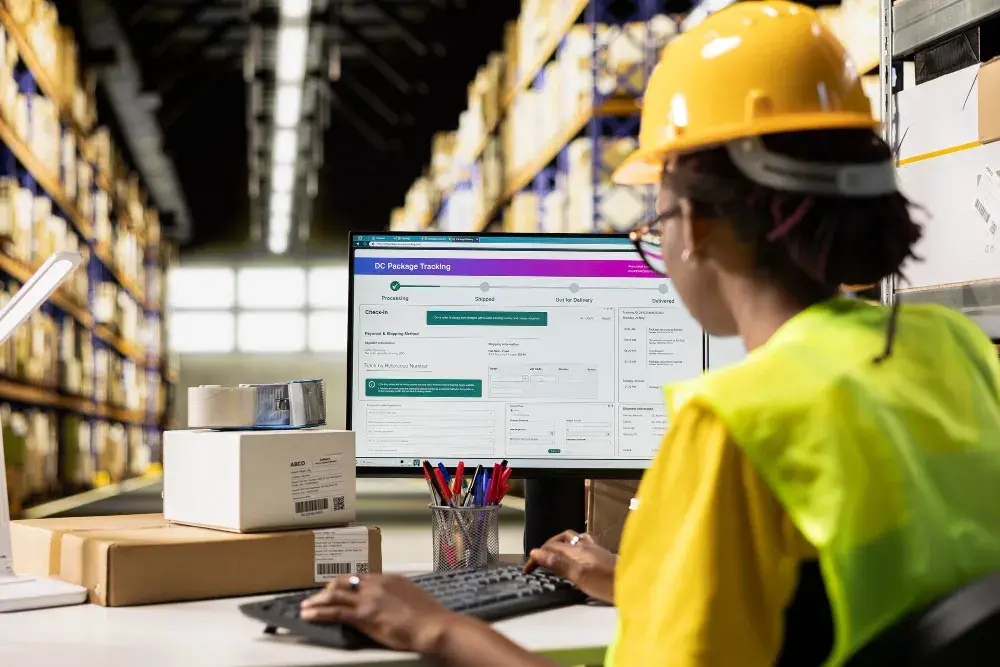
A fulfillment partner solves the warehouse and pick/pack layer. It does not cover what happens between dispatch and customer retention. Six post-purchase capabilities typically need a separate layer once brands scale past 50,000 orders per month.
- Carrier selection at scale. AI-powered allocation across 600+ integrations routes each shipment by cost, performance history, and pincode-level serviceability, optimizing carrier mix without re-platforming the warehouse.
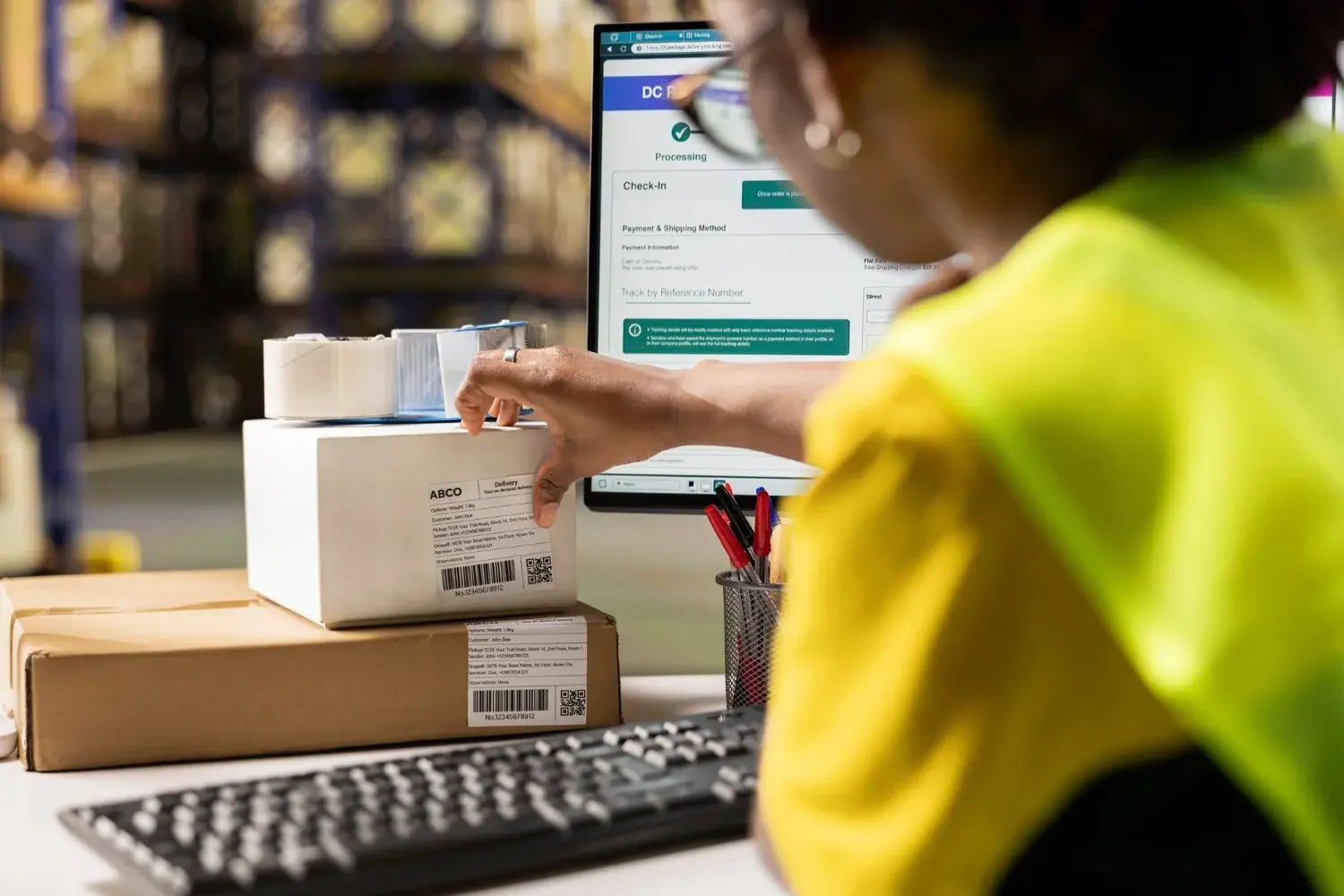
- Branded post-purchase experience. Branded tracking pages with proactive WhatsApp, SMS, and email notifications unify shipment tracking and customer communication, replacing the patchwork of generic carrier links and ESP triggers.
- NDR automation. In COD-heavy markets, unmanaged failed deliveries drive RTO rates of 20-30%. ClickPost's NDR workflow (rapid outreach, reattempt scheduling, address verification) has reduced RTO by 20-40% for customer brands.
- Returns intelligence. An exchange-first flow with personalized policies, store-credit incentives, and automated quality checks has converted 54% of returns into exchanges and retained 40% of refund value as store credit.
- Cross-provider analytics. Brands running two or more 3PLs need unified visibility. The Apex Control Tower rolls carrier and pincode performance into a single dashboard regardless of which partner executed the order.
- Checkout-stage delivery promises. An ML-powered EDD engine predicts pincode-level delivery dates at checkout, lifting cart conversion and reducing post-purchase WISMO tickets.
ClickPost is the platform 450+ global brands graduate to once they outgrow single-vendor stacks, with 600+ carrier integrations across D2C, retail, marketplace, B2B, and quick commerce. To see how it layers on top of an existing fulfillment partner, book a demo.
Frequently Asked Questions About Fulfillment Companies in 2026
What is the difference between a fulfillment company and a carrier?
A fulfillment company is a third-party provider that stores inventory and converts customer orders into packed, labeled, dispatch-ready shipments. A carrier (FedEx, UPS, DHL, Delhivery) is the transportation network that moves the package to the customer. Most ecommerce fulfillment operations rely on both. According to the 2026 Penske/NTT DATA Third-Party Logistics Study, 89% of shippers report successful relationships with their 3PL providers.
Which is better for ecommerce in 2026: a 3PL or Amazon FBA?
A 3PL fulfillment company is an independent provider that warehouses and ships products across multiple sales channels while leaving branding, packaging, and customer relationships under the brand's control. Amazon FBA is Amazon's in-house fulfillment service that grants Prime eligibility but restricts packaging customization and charges escalating long-term storage fees. Many brands use both: FBA for Amazon orders and a 3PL for DTC and wholesale.
How much do fulfillment services cost per order in 2026?
Fulfillment services in 2026 typically cost $3 to $8 per order for standard items. The average ecommerce brand spends $4.50–$6.00 all-in once storage, pick/pack, and shipping costs are combined, according to industry benchmarks aggregated by Fulfill.com and ShipScience. Actual cost depends on order volume, SKU dimensions, and shipping zones. Always request a modeled month from each provider using your real order data before signing.
Which fulfillment company is best for Shopify stores in 2026?
ShipBob is the most common choice for Shopify brands shipping 1,000–50,000 orders per month, with native Shopify integration, distributed inventory across 55+ fulfillment centers, and branded packaging support. Shipfusion suits brands outsourcing for the first time. Flexport (formerly Deliverr) fits brands competing on 2-day delivery via the Shop Promise badge. Smaller stores under 1,000 orders/month often start with eFulfillment Service for its no-minimum policy. Brands can also explore Shopify Plus agencies that bundle fulfillment setup with store management.
Which fulfillment company is best for heavy or oversized products?
Red Stag Fulfillment is the most established US 3PL for SKUs over 10 pounds or with dimensional challenges, backing operations with a 100% accuracy guarantee and a $50-per-error payout. ShipBob offers oversized handling at select locations but at premium rates. Generalist 3PLs charge dimensional weight surcharges that make heavyweight DTC categories like fitness equipment, furniture, and home goods uneconomical without a specialist provider. Understanding your true logistics costs — including dimensional weight fees — is essential before selecting a fulfillment partner for heavy goods.
Which fulfillment company is best for ecommerce brands in India?
WareIQ leads in India for tech-first D2C brands, with AI-driven inventory placement across 20+ cities and same-day or next-day delivery in metro areas. Delhivery operates the largest pan-India network with deeper Tier 2/3 reach — see a breakdown of Delhivery courier charges before committing. Eshopbox focuses on marketplace sellers with native Flipkart and Myntra integrations. Indian fulfillment selection also depends on COD handling and RTO management, which can reach 20–30% in cash-on-delivery-heavy categories. For a broader look at the carrier landscape, compare the best courier services in India by zone coverage and pricing.
Which fulfillment company is best for ecommerce brands in the UAE and GCC?
Aramex leads in the UAE and GCC with the densest last-mile delivery network across all seven Emirates plus Saudi Arabia, and offers JAFZA-based bonded warehousing for cross-border operations — check current Aramex shipping rates before budgeting. Fetchr and iMile compete on tech-enabled last-mile with strong COD reconciliation. For a wider view of regional options, review the top shipping aggregators in the UAE. According to RedSeer, COD (cash-on-delivery) still represents 40–60% of GCC ecommerce orders, making COD workflow strength a primary selection criterion.
When does an ecommerce brand need an order management system (OMS)?
An order management system (OMS) is a software layer that receives orders from sales channels, applies routing logic, and dispatches each order to the optimal fulfillment node. Brands selling through a single 3PL on a single channel generally do not need a standalone OMS. Brands operating across multiple channels, warehouses, or 3PLs typically reach a tipping point around 20,000–50,000 orders per month where an OMS pays for itself. At that scale, pairing an OMS with ecommerce automation tools — including carrier allocation and routing rules — can materially reduce per-order cost.
How long does it take to switch fulfillment providers without disrupting customers?
Switching fulfillment providers without customer disruption typically takes 60–90 days, with both providers running in parallel for 30–45 days while inventory and integrations transition. The disciplined sequence: pilot the new provider on a single SKU or region, transition inventory in batches, maintain tracking continuity through a post-purchase platform, and only sunset the old provider after a peak-season volume test. Most disruption traces back to broken order tracking links and inconsistent customer notifications. Brands that invest in a branded tracking page during the transition protect the customer experience regardless of which warehouse is shipping the order. For multi-carrier environments, a multi-carrier shipping software layer ensures last-mile carrier tracking remains consistent throughout the migration.



We use cookies to keep the site working, understand usage, and improve your experience. Learn more
Always active for essential site performance and security.
Enables anonymous usage analysis to refine our services.
Used to present relevant promotions and advertising.