.png?width=193&height=27&name=ClickPost%20Logo%20(Blue).png)
.svg)
.svg)
.svg)
.svg)
.svg)
.svg)
.svg)
.svg)
.svg)


.svg)

.svg)
.svg)
.svg)
.svg)


.svg)
.svg)
.webp?width=286&height=206&name=ROI%20Calculator%20(1).webp)
.svg)
.svg)

.svg)

.webp?width=286&height=206&name=RTO%20Playbook%20(1).webp)

In this blog
TL;DR Summary
If you are building, sourcing, or selling electronics in the US, supply chain performance is the difference between a clean launch and a painful quarter. This directory brings together leaders who sit closest to the levers that matter: sourcing strategy, manufacturing performance, planning accuracy, fulfillment speed, and risk control.
Key takeaways
-
In electronics, supplier capacity and component availability often matter more than demand signals. Leaders who can secure supply early protect revenue.
-
Customer-facing supply chain roles are growing in importance because allocation, service levels, and channel execution directly shape brand trust.
-
Planning quality is a competitive advantage: clean MRP inputs, realistic lead times, and disciplined S&OP reduce firefighting.
-
Operational resilience is no longer a side project; it is built through dual sourcing, faster qualification, and clearer visibility across tiers.
-
The best supply chain teams pair cost control with execution reliability. Saving money is pointless if the product does not ship.
It is the point of directories for the Electronics supply chain: they provide a practical map of who is driving outcomes, so you can benchmark your own supply chain strategy, spot best practices, and build smarter partnerships.
Introduction
Electronics supply chains are a study in contradictions, combining ultra-precise engineering with constant uncertainty. One quarter is all about component shortages and long lead times; the next is about demand spikes driven by new launches, new regulations, and new habits at home and at work.
The following directory for the electronics supply chain is beneficial for teams who want to understand who is shaping this landscape in the United States. It is about leaders who balance global sourcing, factory capacity, quality systems, and customer commitments without losing speed.
Key highlights
-
Electronics product cycles are short, but qualification cycles are not. Leaders who align engineering change orders with supplier readiness usually win.
-
Industry forecasts still point to rapid growth in sub-segments such as organic electronics, while mature categories face consolidation and margin pressure.
-
The broader electronics ecosystem spans millions of patents and a workforce in the multi-millions. That scale is a strength, and also a complexity multiplier.
-
Even after recent normalization, many planners treat critical semiconductors, power components, and specialized materials as long-lead items that require early locks.
-
The United States remains a major anchor for product design, systems engineering, advanced procurement, and supply chain technology. It often coordinates execution across Asia, Mexico, and Europe.
Top 25 Supply Chain Leaders in the US Electronics Industry
These leaders are worth watching because they sit at the intersection of procurement, planning, manufacturing strategy, and customer experience. Some run classic end-to-end networks. Others build the systems that decide what gets sourced, where it gets built, and how it reaches the customer.
|
Leader Name |
Current Title |
Company |
Supply Chain Focus |
What Makes Them Stand Out |
|
Director, Global Sourcing & Supply Management |
Apple |
Strategic sourcing, capital equipment, supplier strategy |
Oversees sourcing decisions for some of the world’s most complex electronics products at scale |
|
|
Chief Supply Chain Officer |
HP Inc. |
End-to-end global supply chain, manufacturing, and sustainability |
Leads one of the largest global tech supply chains with a strong focus on resilience and inclusion |
|
|
Senior Director, Global Supply Chain |
Western Digital |
Global supply chain strategy, transformation, analytics |
Known for driving large-scale transformation across high-tech manufacturing networks |
|
|
Corporate Vice President, Global Supply Chain |
Intel |
Strategic sourcing, ESG, business continuity |
Combines supply chain leadership with ESG, diversity, and ethical sourcing initiatives |
|
|
Senior Director, WW Service Operations |
NVIDIA |
Factory operations, planning, logistics |
Built and scaled supply chain operations supporting NVIDIA’s AI and data center growth |
|
|
Senior Director, Global Supply Chain |
AMD |
Strategic sourcing, category management |
Brings cross-industry sourcing discipline from healthcare and semiconductors |
|
|
Chief Supply Chain Officer |
Corning Inc. |
Global supply chain transformation |
Known for turning supply chains into competitive advantages through execution and ethics |
|
|
President & Chief Supply Chain Officer |
Bose Corporation |
Product strategy, manufacturing, global supply chain |
Unifies product innovation and supply chain execution under one leadership role |
|
|
Director, Supply Chain Operations |
Dell Technologies |
Procurement, planning, fulfillment |
Deep internal progression across Dell’s supply chain functions |
|
|
Chief Supply Chain Officer |
Cisco Systems |
End-to-end supply chain, digital transformation |
Leads supply chain strategy for one of the world’s most complex networking ecosystems |
|
|
SVP, Global Supply Chain |
HARMAN International |
Operations, quality, lean transformation |
Drives operational excellence across consumer and automotive electronics |
|
|
VP, Supply Chain & Global Distribution |
Emerson Electric |
Global category management, localization |
Known for executing large-scale localization and regionalization strategies |
|
|
Director of Supply Chain |
Flex Ltd. |
End-to-end supply chain execution |
Combines certifications and hands-on execution across EMS environments |
|
|
Vice President, Supply Chain |
TE Connectivity |
Digital supply chain, global planning |
Leads transformation across complex, data-driven supply chain networks |
|
|
VP, Global Supply Chain |
Knowles Corporation |
Procurement, planning, and global optimization |
Brings deep semiconductor and micro-acoustics supply chain expertise |
|
|
VP, Global Supply Chain & ASIC Operations |
Synaptics |
Semiconductor sourcing, ASIC operations |
Balances advanced manufacturing technology with cost and quality discipline |
|
|
Director, Supply Chain |
Sony Electronics (US) |
Regional supply chain leadership |
Manages complex operations across North and Latin America |
|
|
Director of Supply Chain |
Aveox Inc. |
Materials planning, production scheduling |
Maintains exceptionally high kit fill rates in aerospace manufacturing |
|
|
Vice President, Supply Chain |
Benchmark Electronics |
Global sourcing, logistics |
Long-standing leader driving international sourcing efficiency |
|
|
Supply Chain Solutions Director |
Plexus Corp |
Strategic account supply chain solutions |
Known for team development and operational results in EMS environments |
|
|
Chief Supply Chain Officer |
Zebra Technologies |
End-to-end global supply chain |
Leads large-scale transformation and resiliency programs |
|
|
SVP, Global Supply Chain |
VEXOS Inc. |
Cost optimization, supply continuity |
Recognized for building competitive, customer-focused supply chain models |
|
|
Global VP, Customer Supply Chain |
Logitech |
Customer-facing global supply chain |
Integrates sales operations with the supply chain strategy globally |
|
|
Senior Director of Supply Chain |
CelLink |
EV electronics supply chain |
Scaled EV wiring production rapidly in a high-growth environment |
|
|
Vice President of Supply Chain |
Arlo Technologies |
Strategic sourcing, global supply chain |
Deep procurement-to-leadership progression in consumer electronics |
Aziz Sayigh - Director, Global Sourcing & Supply Management Apple
A precision sourcing operator who turns supplier strategy into stable output at launch scale.


As a Director in Global Sourcing and Supply Management at Apple, Aziz Sayigh’s work centers on supplier strategy, commercial negotiations, and the hard operational follow-through that turns a contract into consistent output. That often means aligning capital equipment needs with ramp timelines, then managing the ripple effects across component availability, quality yields, and cost targets.
What makes this role distinct is the expectation of precision at scale. The work is not only about securing supply; it is about maintaining stability while products evolve, designs change, and suppliers face constraints. Leaders like Sayigh are the ones who quietly decide whether a launch feels effortless or chaotic.
Ernest Nicolas - Chief Supply Chain Officer HP Inc.
Runs one of tech’s largest supply chain engines with disciplined balance across cost, resilience, and service.

Ernest Nicolas leads supply chain at a scale where “global” is the operating reality. As Chief Supply Chain Officer at HP, he oversees manufacturing networks, procurement, and logistics that support high-volume categories with constant seasonality and channel complexity. In practical terms, that means balancing cost, resilience, and service levels across an enormous product and component portfolio.
His background across industrial and automotive environments shows up in how modern electronics supply chains are managed today. That means more scenario planning, sharper risk governance, and stricter performance discipline with suppliers. Nicolas is also one of the leaders shaping what “responsible scale” looks like in consumer tech.
Ashish Rastogi - Senior Director, Global Supply Chain Western Digital
Builds analytics-led operating cadence that keeps complex hardware networks predictable under volatility.
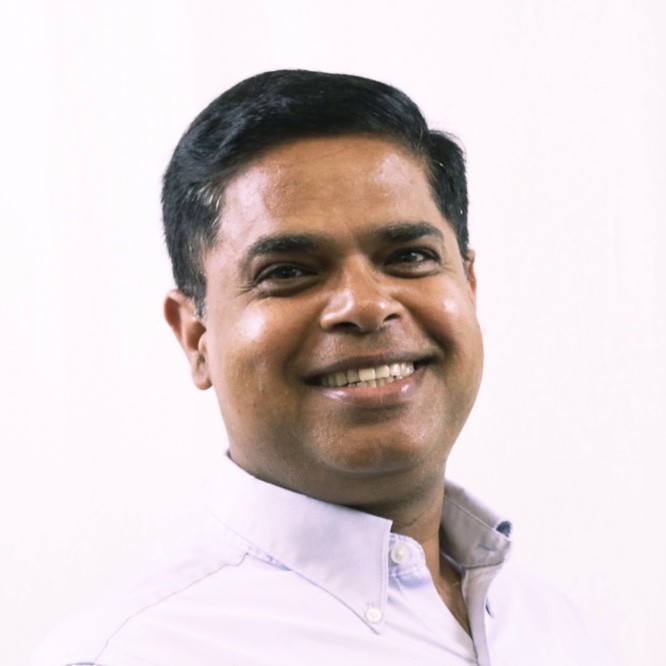
Ashish Rastogi’s work works in a category where reliability is the product. Storage hardware depends on tight coordination between suppliers, manufacturing partners, and planning teams who cannot afford surprises. As Senior Director, Global Supply Chain at Western Digital, he focuses on strategy, operations, and supply chain transformation, especially the analytics and operating cadence that keep a complex network predictable.
What stands out in this kind of role is the mix of technical and commercial decision-making. Leaders like Rastogi build planning systems that can absorb shocks, track risk early, and still deliver customer commitments. When the market swings, strong supply chain architecture becomes a competitive advantage, not a back-office function.
Jackie Sturm - Corporate Vice President, Global Supply Chain Intel
Leads semiconductor supply chain as a long-horizon advantage—continuity, ethics, and ecosystem strength.

Jackie Sturm’s remit reflects how semiconductor supply chain leadership has expanded beyond procurement. As Corporate Vice President, Global Supply Chain at Intel, she oversees strategic sourcing, business continuity, and programs tied to ethics and ESG. In semiconductors, continuity planning is tied to geopolitics, capacity cycles, and long investment horizons.
Her leadership is also notable for how it connects supply chain performance with talent and supplier ecosystems. At Intel’s scale, supplier diversity and responsible sourcing programs become operational systems rather than separate initiatives. This is the kind of role where decisions about indirect procurement, critical materials, and supplier development influence manufacturing competitiveness years ahead.
Zubin Ghyara - Senior Director, WW Service Operations NVIDIA
Designs after-sales operations as a strategic system—service logistics that protects uptime and trust.
Zubin Ghyara brings an operator’s lens to a company defined by rapid demand shifts and fast-moving product roadmaps. In his senior leadership role overseeing service and factory operations, planning, and logistics, he oversees the machinery supporting high-growth segments, such as data center hardware. That means building processes for repairs, spares planning, and global service logistics.
What separates strong service operations leaders is their ability to treat after-sales as a designed system, not a reactive cost center. A well-run spares network reduces downtime, protects customer trust, and stabilizes revenue. In high-performance computing, those outcomes are not optional.
Aparna Kanabar - Senior Director, Global Supply Chain AMD
Shapes supply assurance through strategic sourcing discipline where constraints can define outcomes.

Aparna Kanabar’s track record in strategic sourcing and category management is evident in her leadership at AMD. As Senior Director, Global Supply Chain, she works on decisions that shape supply assurance, cost structure, and supplier strategy in an environment where component constraints can define business outcomes. The role demands strong negotiation skills, as well as the ability to align sourcing choices with technical requirements and risk profiles.
Her prior experience across healthcare and technology adds a useful perspective. It is a combination of mature risk discipline and speed. Kanabar’s work likely involves supplier segmentation, capacity commitments, and governance of quality and compliance, while keeping the operating model flexible enough to support new programs. In short, she helps turn sourcing into an advantage rather than a scramble.
Pedro Capiello - Chief Supply Chain Officer Corning Inc.
Turns advanced materials networks into a competitive edge through transformation and execution rigor.
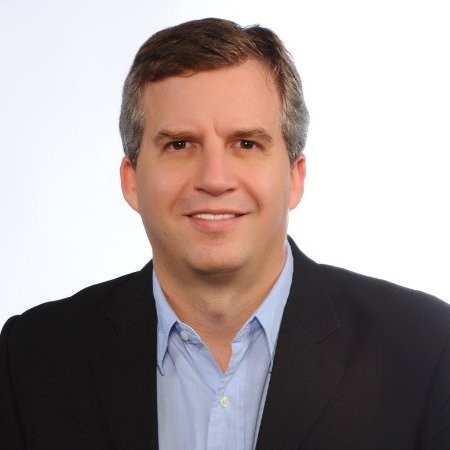
Pedro Capiello leads the supply chain for a company whose materials quietly power modern electronics. These materials are displays, optical connectivity, and advanced components that sit behind everyday devices. As Chief Supply Chain Officer at Corning, he focuses on building competitive supply chains through transformation, strategy, and disciplined execution across global operations.
In materials and advanced manufacturing, supply chain performance often shows up as consistency that involves stable quality, reliable delivery, and predictable cost. That reliability is hard-earned because the network spans specialized suppliers and industrial processes with strict specifications. Capiello’s leadership approach, emphasizing ethics and execution, aligns with the realities of long-term supplier relationships and complex industrial footprints.
Raza Haider - President & Chief Supply Chain Officer Bose Corporation
Aligns product ambition with manufacturable reality—where supply chain directly shapes customer experience.
Raza Haider’s role is unusual in the best way. He ties product leadership to supply chain responsibility. At Bose, he oversees parts of the consumer business along with the global supply chain. That combination matters because consumer electronics live or die by their ability to translate product intent into a manufacturable, scalable reality without compromising the experience.
His background in product-led organizations and operations-driven consulting helps in a category where design choices affect cost, lead time, and yield. Strong supply chain leadership here is about building a system that can launch reliably, manage variants, and maintain consistent quality across regions. When product strategy and supply chain strategy speak the same language, speed improves, and so does the customer experience. Haider is a leader to watch for that reason.
Maria Lewis - Director, Supply Chain Operations Dell Technologies
A cross-functional operator built for configuration complexity, supplier coordination, and delivery precision.

Maria Lewis represents a kind of supply chain leadership built on breadth. Her experience across procurement, planning, and fulfillment at Dell positions her well for roles that require coordination across multiple internal groups and external partners. In enterprise hardware, the margin for error is small. That is because customers expect reliability, and programs often involve complex configurations and tight delivery windows.
Leaders like Lewis typically work on vendor onboarding, supply assurance for critical parts, and planning for build schedules that respond to sales pipeline shifts. They also bring an operational mindset to cross-functional work, especially when engineering changes and customer priorities collide. Another dimension worth noting is how she speaks about purpose beyond work, including animal welfare, which often correlates with empathetic leadership. It is useful when leading teams through high-pressure cycles.
Chuck Graham - Chief Supply Chain Officer Cisco Systems
Advances the modern CSCO playbook—resilience, digital governance, and execution at enterprise scale.
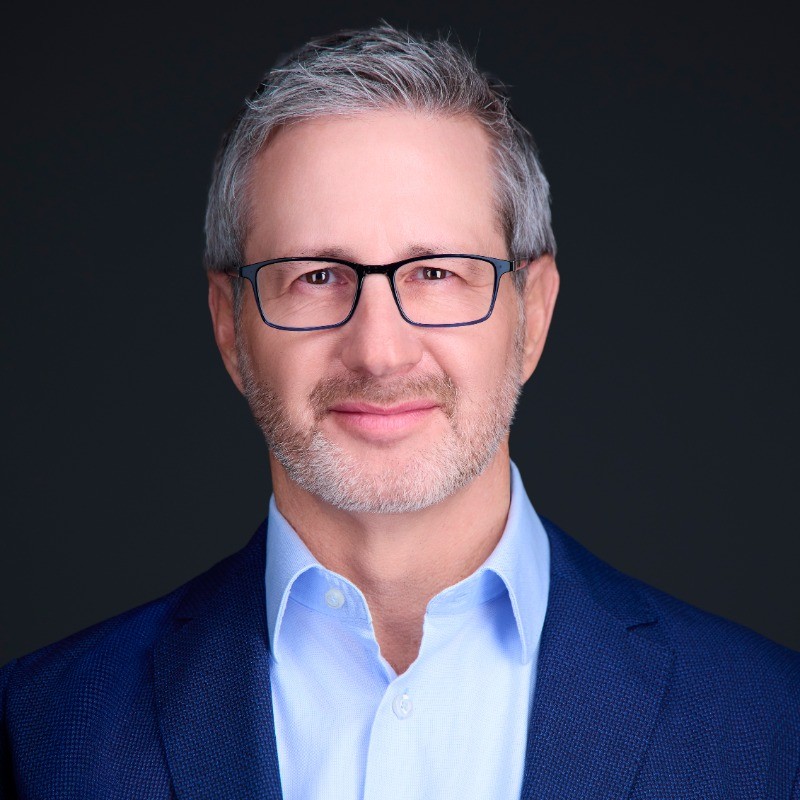
Chuck Graham stepped into Cisco’s Chief Supply Chain Officer role with a mandate that mirrors where the industry is heading. It is a mix of resilience, speed, and digital maturity. Cisco’s supply chain spans complex electronics manufacturing, new product introduction, lifecycle management, and global logistics, often under customer and regulatory pressure. The CSCO role here is as much about systems and governance as it is about execution.
Graham’s background across major tech organizations matters because the playbook is now shared between risk dashboards, supplier diversification, tighter planning cadences, and sustainability requirements. All these affect sourcing decisions. Leaders like Graham are shaping how the supply chain becomes a strategic differentiator in B2B electronics.
Wolfgang Heitmann - SVP, Global Supply Chain HARMAN International
Integrates supply chain, operations, and quality with automotive-grade discipline in electronics.
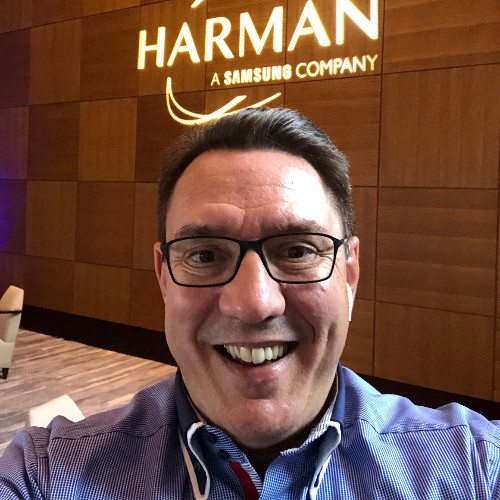
Wolfgang Heitmann operates in an environment where electronics blend with automotive-grade expectations. At HARMAN International, he leads global supply chain, operations, and quality. That is an unusually integrated scope that reflects how performance is measured in high-reliability categories. When products ship into vehicles and connected systems, defects and delays are not tolerated.
His lean and quality background is a strong fit for global networks that must manage tight specifications, supplier capability differences, and complex logistics. The leadership challenge is balancing cost with delivery and quality while adapting to rapid shifts in technology platforms. Heitmann is worth watching because electronics supply chains are increasingly judged on “automotive discipline,” even when the end customer is not an automaker.
Ming Zu - VP, Supply Chain & Global Distribution Emerson Electric
Builds “local-for-local” readiness through sourcing, distribution strategy, and continuity governance.

Ming Zu’s work illustrates how supply chain leadership looks inside industrial electronics and software-enabled systems. As VP of Supply Chain and Global Distribution for an Emerson division, he focuses on category management, strategic sourcing, and distribution strategies that support global customers. The value here is not only in cost control; it is in continuity and speed for complex system deliveries.
His experience also points to localization strategies that matter when demand is regional and supply is global. Executing a “local-for-local” approach requires supplier qualification, distribution design, and clear governance around service levels. Leaders in this space often deal with long BOMs, regulated environments, and customers who plan projects months ahead.
Nan Chen - Director of Supply Chain Flex Ltd.
Leads EMS supply chains as industry shock absorbers—standardize where possible, customize where required.
Nan Chen brings the manufacturing services perspective that underpins much of electronics production. At Flex, a global manufacturing partner, supply chain leadership means coordinating planning, procurement, and logistics across multiple customers, each with different priorities and risk tolerances. This environment rewards leaders who can standardize where it helps, and customize where it matters.
With APICS and quality-related certifications, Chen’s profile reflects a structured approach to end-to-end supply chain execution. Strong leaders build visibility, enforce disciplined change management, and work closely with suppliers to protect continuity. Chen is worth watching because contract manufacturing supply chains often become the shock absorbers of the entire electronics industry.
Antoine Couteau - Vice President, Supply Chain TE Connectivity
Modernizes supply chain fundamentals—data, governance, and network predictability that scales.

Antoine Couteau’s role at TE Connectivity reflects how component makers are becoming supply-chain leaders rather than just suppliers. As VP of Supply Chain, he oversees planning, logistics, and transformation across a global network that supports data, devices, and connectivity markets. When the business is components, service levels, and lead time performance are directly tied to customer design wins.
His experience across large industrial organizations shows up in transformation work, including master data governance, analytics, and network planning that improve predictability. Leaders in these roles spend a lot of time on fundamentals because minor improvements multiply at scale. Couteau is an exceptional leader in this space as electronics suppliers modernize their own operating models to meet faster customer cycles.
Richard Xu - VP, Global Supply Chain Knowles Corporation
Protects performance-critical components with engineering-aware supply chain governance and risk control.
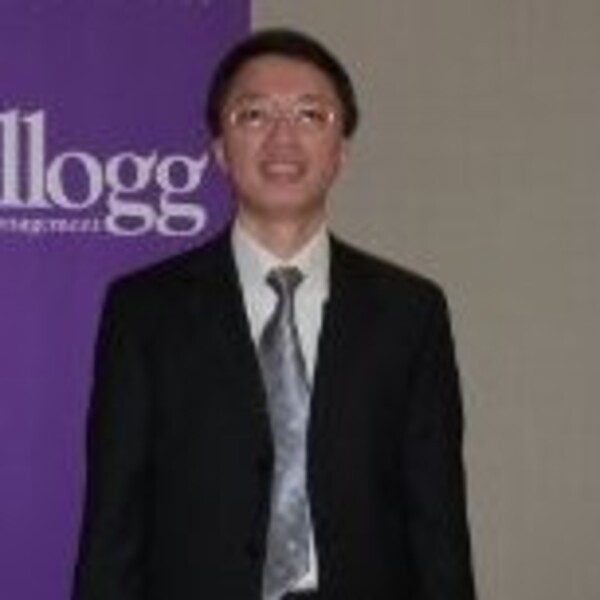
Richard Xu’s supply chain leadership focuses on a specialized domain. It is about micro-acoustic solutions that power modern devices. At Knowles, the supply chain is more than just about procurement; it is about protecting performance, quality, and customer trust in components that often have tight specifications and limited substitution options. As VP of Global Supply Chain, he oversees procurement, planning, execution, and continuous improvement across the network.
His background blends engineering familiarity with business leadership, including advanced management education. That combination is useful when supply chain decisions are technical: qualifying suppliers, managing process capability, and aligning capacity investments with demand. Leaders like Xu tend to focus on disciplined governance of risk tracking, supplier development, and measurable cycle-time improvements.
Allen Wu - VP, Global Supply Chain & ASIC Operations Synaptics
Connects foundry strategy to execution reality—capacity, yield stability, and time-to-market discipline.
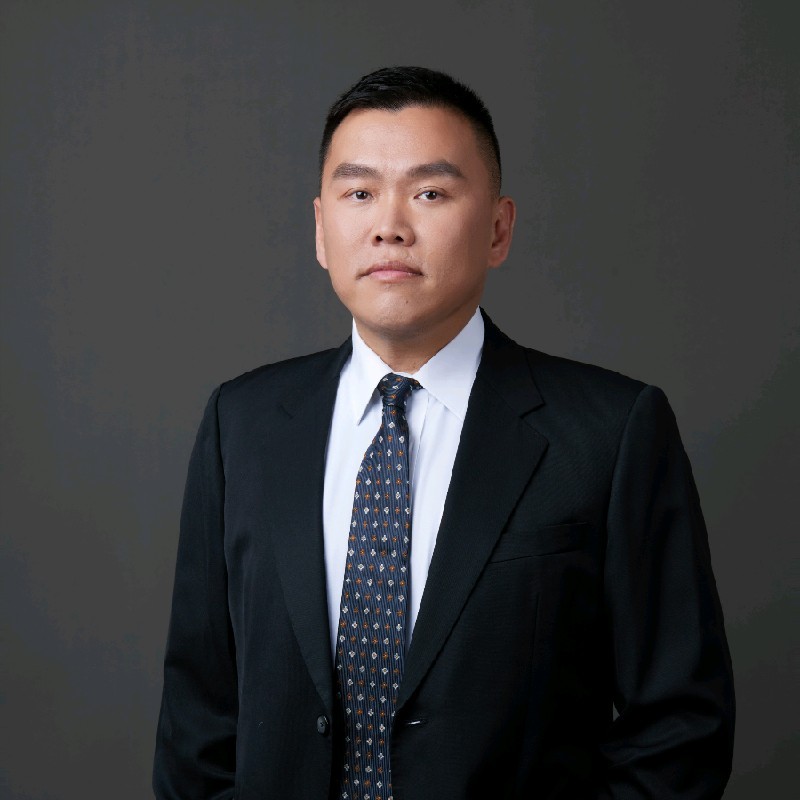
Allen Wu is Vice President of Global Supply Chain and ASIC Operations at Synaptics, where he connects procurement strategy, foundry, and assembly decisions, and day-to-day execution for semiconductor programs. His work sits at the intersection of cost, yield, and time-to-market, where electronics supply chains are won or lost.
Before Synaptics, he held global supply management roles at Tesla and procurement roles at Daimler Truck North America, giving him a practical view of supplier performance under pressure. At Synaptics, his focus is on building reliable capacity, maintaining quality stability during changeovers, and ensuring advanced components arrive when product teams need them.
Robert Weiss - Director, Supply Chain Sony Electronics (US)
Runs the regional planning-and-logistics rhythm that keeps consumer demand spikes executable.

Robert Weiss is Director of Supply Chain for Sony Electronics’ US business, overseeing the planning and logistics engine that keeps product moving across North and Latin America. His profile reflects long-term, end-to-end experience. The experience lies with demand and supply planning, service levels, cost control, and the operating rhythm needed to coordinate with manufacturing and sales teams.
In consumer electronics, the hard part is not only forecasting, but also responding fast when promotions spike, parts slip, or ports tighten. Weiss is known for a relationship-driven leadership style, which matters in a matrixed global setup where decisions have to land across regions, functions, and timelines.
Nico Avellaneda - Director of Supply Chain Aveox Inc.
Applies aerospace-grade planning discipline—MRP governance and capacity control that protect output.

Nico Avellaneda is Supply Chain Director at Aveox, where the supply chain looks less like retail velocity and more like an aerospace discipline. He runs material planning, production scheduling, and risk management with a clear target. The target is to protect kit fill rates and on-time delivery. His work touches MRP and ERP governance, lead time analysis against the master production plan, work-order release, and capacity planning, all of which directly impact build stability.
He has progressed through planning and supervisory roles at Aveox and also brings prior experience as a production planner and buyer at RSA Engineered Products. The thread across his roles is turning planning accuracy into predictable output.
Shabnam Shaghafi - Vice President, Supply Chain Benchmark Electronics
A financially grounded EMS leader translating sourcing choices into margin and delivery certainty.
Shabnam Shaghafi is Vice President of Supply Chain at Benchmark Electronics, with a track record built across global sourcing, logistics, and purchasing in electronics manufacturing environments. Benchmark’s footprint and customer mix make supply chain leadership a blend of commercial accountability and operational control. That involves supplier selection, cost and lead time trade-offs, and execution that can handle complex programs.
Her background includes work with companies such as Flextronics, Alcatel-Lucent, Sun Microsystems, and Sanmina-SCI, demonstrating deep familiarity with how EMS networks operate at scale. She is often described as hands-on and financially grounded, which helps when supply chain decisions directly shape margin.
Lynn Machajewski - Supply Chain Solutions Director Plexus Corp
Builds customer-specific supply chain operating habits—metrics, clean handoffs, and early risk detection.

Lynn Machajewski is a Supply Chain Solutions Director at Plexus Corp. She brings more than two decades of experience across business and operations leadership. Her role centers on customer-focused supply chain solutions, which typically means aligning planning, procurement, and delivery performance to program requirements while building stronger day-to-day operating habits.
In electronics manufacturing, those habits show up in clean handoffs, crisp metrics, and teams that can spot risk early. Machajewski is also known for investing in staff development, which is not a soft add-on in this space. Instead, that is how you create repeatable execution across shifting product mixes, changing suppliers, and tight service expectations.
Tamara Froese - Chief Supply Chain Officer Zebra Technologies
Leads end-to-end supply chain transformation with manufacturing rigor and resilience-by-design.

Tamara Froese is Chief Supply Chain Officer at Zebra Technologies, leading end-to-end supply chain performance across procurement, manufacturing, logistics, and operations. Her mandate is not simply moving product; it is building resilience into the network so Zebra can deliver consistently through volatility.
Before becoming CSCO, she held senior roles inside Zebra and spent years at General Motors, where cost, supplier discipline, and operational rigor are non-negotiable. She is recognized as a transformation-minded leader who strengthens supplier relationships, tightens execution, and improves visibility across the chain. For electronics and auto-ID products, that combination supports both scale and speed.
Stephanie Martin - SVP, Global Supply Chain VEXOS Inc.
Runs metric-led performance systems across multi-site sourcing—cost, continuity, and program stability.

Stephanie Martin is Senior Vice President of Global Supply Chain at Vexos, where she builds performance systems that match the company’s manufacturing and sourcing strategy. Her work is heavily metric-led, focusing on cost and margin control, service performance, supplier continuity, and risk mitigation to protect customer programs.
Vexos operates across the US, Canada, and Asia, so her remit includes decisions on where to source, how to secure supply lines, and how to keep execution stable across multiple sites. She is also known for leading cross-disciplinary projects and developing talent, which are essential in electronics manufacturing services, where speed and quality depend on disciplined teamwork.
Annie Joe - Global VP, Customer Supply Chain Logitech
Owns customer supply chain outcomes—service commitments backed by systems, speed, and global alignment.

Annie Joe is Global Vice President and Head of Global Customer Supply Chain at Logitech, with ownership across major clusters including North America, Europe, and Asia-Pacific/Latin America, and leadership responsibility for Americas logistics operations. Her role is customer-facing supply chain, which means the work is closely aligned with demand signals, channel expectations, and service commitments.
She joined Logitech after senior roles at Samsung Electronics and VIZIO, bringing a potent mix of supply chain and sales operations perspectives. She is often described as a strategy-to-execution leader who can redesign systems and processes without losing momentum.
Lily Li - Senior Director of Supply Chain CelLink
Scales high-growth electronics supply chains with supplier development and procurement systems built for volatility.

Lily Li is Senior Director of Supply Chain at CelLink, where she helps scale electronics supply chains tied to electric vehicle growth. Her background includes deep work in strategic sourcing, procurement, and supplier management across electronics, PCBA, and semiconductor categories, including experience at Tesla.
At CelLink, the challenge is scaling output while holding quality and cost lines steady, especially as demand ramps and supplier constraints shift. She is known for market analysis, supplier development, and the development of procurement systems that can handle high-growth volatility. That means more secure sourcing, cleaner planning inputs, and fewer surprises in production.
Mandy Tsai - Vice President of Supply Chain Arlo Technologies
Launch-protecting supply chain leadership—disciplined sourcing paired with execution control.

Mandy Tsai is Vice President of Supply Chain at Arlo Technologies, based in San Jose, with a leadership arc rooted in strategic purchasing and global sourcing. Before Arlo, she held progressively senior roles at NETGEAR, including supply chain leadership and strategic purchasing, which shaped a strong supplier-facing operating style.
At Arlo, her work supports connected home hardware where component availability, contract manufacturing performance, and shipping execution determine both revenue timing and customer experience. A steady supply chain here is not only about cost but also about protecting launches and maintaining quality stability across production ramps. Tsai’s background fits that reality: disciplined sourcing plus execution focus.
If your brand is ready to modernize logistics and turn post-purchase into a competitive edge:
👉 Get a personalised ClickPost demo and see what next-gen logistics looks like.
Conclusion: Where electronics supply chains are headed next
The electronics industry is not short on innovation. The real differentiator is execution. It lies in how fast leaders can secure constrained components, qualify alternates without compromising quality, and keep the delivery promise intact while networks shift. That is why directories for the supply chain for electronics are becoming more useful than simple company lists. They help teams spot the people shaping decisions that affect lead times, landed cost, product availability, and resilience.
Across these 25 leaders, the pattern is clear: stronger planning discipline, tighter supplier management, deeper visibility, and more practical use of technology; not for show, but to reduce surprises.
------------------------------------------------------------------------------------
Disclaimer: This list was compiled through an independent editorial review aimed at highlighting the key leaders currently shaping the U.S. consumer electronics supply chain. The evaluation criteria included technical precision in global component sourcing, innovation in reverse logistics and e-waste management, leadership in hardware-software integration, and measurable influence on manufacturing agility. This compilation is illustrative rather than exhaustive and is not intended as a formal ranking. All insights are based on publicly available data and industry analysis at the time of publication. No commercial affiliations, sponsorships, or endorsements influenced the selection of these individuals.
About the Review: We conducted this review to identify the individuals who aren't just managing chip shortages, but are actively redesigning how technology moves. Our team analyzed over 100 profiles across tech titans, wearable innovators, and smart-home startups to select 25 leaders who represent the gold standard in high-tech supply chain execution.