.png?width=193&height=27&name=ClickPost%20Logo%20(Blue).png)
.svg)
.svg)
.svg)
.svg)
.svg)
.svg)
.svg)
.svg)
.svg)


.svg)
.svg)
.svg)
.svg)
.svg)


.svg)
.svg)
.webp?width=286&height=206&name=ROI%20Calculator%20(1).webp)
.svg)
.svg)

.svg)

.webp?width=286&height=206&name=RTO%20Playbook%20(1).webp)
What is USPS Return Label? The Ultimate Guide for Easy Returns


Ready to ship smarter? Talk to our logistics experts.
Trusted by 600+ brands
In this blog
TL;DR: What You Need to Know About USPS Return Labels
USPS return labels are prepaid, pre-addressed shipping tools enabling eCommerce retailers to streamline reverse logistics across multiple service tiers.
-
eCommerce return rates reach approximately 30%, three times those of in-store returns, creating significant demand for reverse logistics.
-
USPS Label Broker eliminates the need for printers because customers present a QR code at any Post Office, and associates print labels on-site.
-
Priority Mail Express Return guarantees 1–2-day delivery with $100 of insurance included, making it ideal for high-value electronics and luxury goods.
-
Bulk Parcel Return Service targets high-volume operations that process 10,000 or more returns annually, enabling streamlined cost management at scale.
-
Every USPS return label requires an Intelligent Mail Barcode (IMb), a 22-digit tracking code that activates upon the first network scan.
Why USPS Return Labels Matter for eCommerce in 2025
Today's eCommerce landscape is highly competitive. With such competition, it becomes vital for companies to offer a seamless return process. This experience enhances customer retention and satisfaction. As online retail expands, so does the complexity of managing returns, known in the logistics industry as "reverse logistics." Unlike forward logistics, reverse logistics demands more intricate handling due to the unpredictability of return volumes and customer locations.
Research indicates that return rates for eCommerce purchases are around 30%, three times higher than in-store returns. Additionally, nearly half of the United States Postal Service (USPS)'s return volume involves passing packages to other carriers. These findings reveal opportunities for this well-known delivery company to grow its presence in this market.
USPS offers various return facilities to accommodate diverse business needs, providing both flexibility and control over the returns process. This guide covers everything businesses need to know about USPS return labels, from types of return services to detailed label requirements and processes. By understanding this carrier's return options, companies can choose the most cost-effective, reliable solutions to optimize their reverse logistics and enhance customer satisfaction.
Key Benefits of USPS Return Labels:
-
Simplified returns procedure
-
Real-time tracking options
-
Cost-effective for both businesses and customers
What Are USPS Return Labels and How Do They Work?
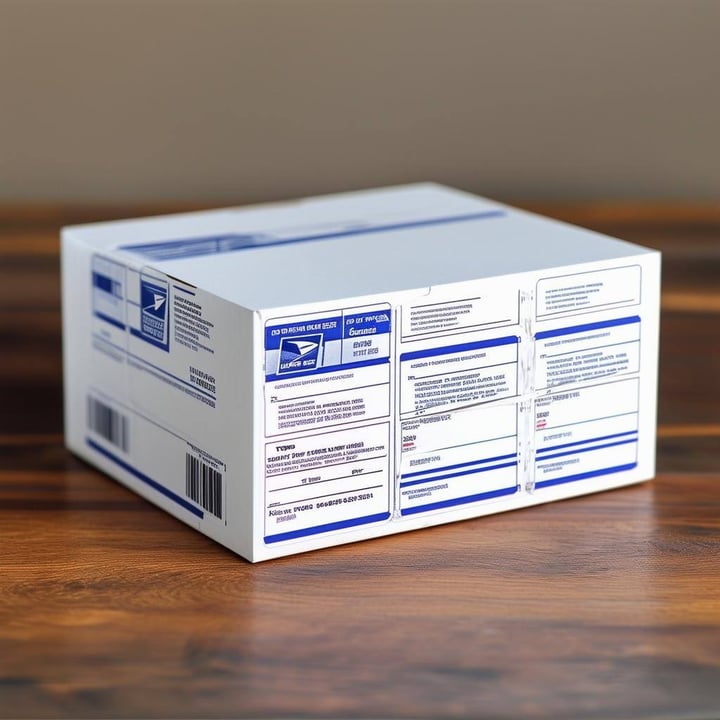
United States Postal Service Return Labels are prepaid, pre-addressed shipping labels created by the sender or retailer. They allow customers to return items effortlessly to the original sender. These labels simplify the reverse logistics process by including all essential details such as tracking information, pre-paid postage, and sender information. The primary objective is to ensure that customers can easily drop off their return package at any USPS location or schedule a pickup.
Return shipping labels are convenient solutions for businesses and customers alike. They reduce errors in return addresses, expedite the process, and allow companies to monitor return shipments effectively. They also ensure that returned items are handled correctly, saving time and resources for both parties.
Using these labels gives businesses access to specific return services, self-service kiosks, and online label printing through the USPS Label Broker. For the Label Broker option, the customer simply needs to present their ZIP Code and Label Broker ID at any Post Office.
Example: Imagine an online clothing retailer providing customers with a USPS return shipping label. This pre-paid label allows customers to initiate returns without additional steps. They attach the label, drop the package off at any designated USPS location, and return the item to the retailer's processing center. In addition to simplifying the customer experience, these labels help businesses manage returned inventory efficiently.
Step-by-Step: How the USPS Return Label Process Works
These labels simplify the return protocol for both customers and businesses. Each step in the return process is designed to offer convenience, transparency, and reliability for eCommerce businesses and their customers, supporting a positive post-purchase experience.
Here is a step-by-step breakdown of how it works:
-
Label Provision: The retailer includes a label with the original shipment or provides it digitally upon initiation of the return request.
-
Attach the Label: Customers securely affix the label to the package, ensuring that all barcodes and addresses are visible for scanning.
-
Drop-Off or Schedule Pickup: Customers can drop off their return package at any USPS location or schedule a pickup directly from their home or business address.
-
Tracking the Return: USPS handles the package pickup and provides tracking for return shipments, enabling both the business and customer to monitor the package's journey from drop-off to final delivery.
-
Return Processing: Upon delivery, the retailer processes the return in accordance with their policies, typically issuing a refund, exchange, or store credit based on the item's condition and the reason for the return.
What Information Is Required on a USPS Return Label?
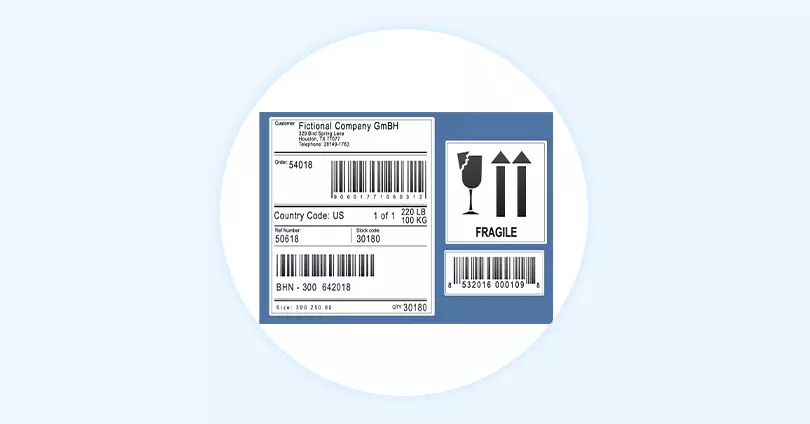
Creating an effective USPS return label requires specific details to ensure accurate processing and tracking. Each element on the label serves a unique purpose in facilitating the return journey.
1. Sender's Return Address
The return address belongs to the retailer or business receiving the returned item. This ensures that the package returns to the correct destination without errors. Including this address accurately allows the carrier to handle and route the package efficiently, minimizing the chances of misdelivery.
2. Recipient's Address
Although it is a return, the customer's address is often included for tracking and verification. The recipient's address on a reverse logistics label is typically the same as the sender's address, making it clear to the postal service where the item is to be picked up and delivered upon return. This detail helps the business identify the return's origin and supports accurate inventory and customer record management.
3. Pre-Paid Postage
These labels include prepaid postage, so customers do not need to cover the cost of returning the package. This is a major convenience, as it encourages customers to use the label without the added concern of shipping fees. Prepaid shipping labels eliminate any additional cost for customers and encourage them to complete returns without hesitation.
4. Tracking Barcode
Every USPS return label includes a tracking barcode. This barcode enables real-time tracking from drop-off to delivery. Tracking helps customers and businesses monitor the package's journey, ensures accountability, and provides reassurance that the return is being processed. This facility is referred to as the Intelligent Mail Barcode (IMb), a 22-digit code that activates the moment the package is first scanned into the USPS network.
5. Return Service Type
USPS offers several return services, such as USPS Returns, Parcel Return Service, and Merchandise Return Service. The specific return service type indicates the return method and processing preferences, allowing each return to be handled accordingly. Specifying the correct service ensures the package is routed through the right network and priced accurately.
6. Weight and Package Type
Specifying the package's weight and type is necessary for accurate postage calculation and to ensure that the return label meets USPS's mailing requirements. This information also aids in determining handling requirements, prevents delays, and helps streamline the process for faster returns. For non-standard parcels, USPS may apply dimensional (DIM) weight pricing, so accuracy here directly impacts cost.
7. Special Handling Instructions
Some returned items, such as fragile or perishable goods, may require special handling. Including any necessary handling instructions ensures the package is treated with care throughout transit, reducing the risk of damage. This is especially important for high-value or breakable returns — such as electronics — where mishandling could result in further loss.
8. QR Code (if applicable)
Some labels may include a QR code that provides additional information or enables faster processing, streamlining check-ins at designated facilities. Businesses can generate and customize these codes using Uniqode's free QR code solution, ensuring better branding and seamless tracking.
This QR code usually links to the tracking number, making it easier for shippers to verify the movement of returned orders. USPS Label Broker specifically leverages this: customers receive a QR code via email, bring it to any Post Office, and a USPS associate scans and prints the label on the spot, with no printer required on the customer's end.
9. Return Authorization Number
Retailers often use a Return Authorization (RA) number to track returns internally. This unique identifier links each return to a specific order, helping businesses manage inventory and maintain accurate return records. It is especially useful for high-volume returns and bulk return processing, allowing operations teams to match incoming packages to open return requests without manual cross-referencing.
10. Date of Mailing
The mailing date indicates when the return was initiated. It provides a timeline for businesses to process refunds or exchanges in accordance with their return policies and helps the shipper accurately track the package's movement. For companies with strict return windows, this date is essential to ensure compliance with return policies and prevent disputes over late returns.
Types of USPS Return Services: Comparing All Options for eCommerce
USPS offers a variety of reverse logistics services that aim to meet the specific needs of businesses. Using USPS Click-N-Ship options, or by integrating with the carrier's API, you can access prepaid return labels for any of the reverse shipping services you choose. These services range from high-speed return options for time-sensitive items to budget-friendly solutions for bulk returns.
Selecting the right USPS return service can enhance the return system and optimize shipping costs, ensuring both customers and businesses benefit from an efficient reverse logistics experience. The enhanced Click-N-Ship feature also means you can have the carrier print labels and send them to customers for an additional $1.25 per label. Here is a look at the main return services available:
| Service | Best For | Speed | Tracking | Insurance |
| Priority Mail Express Return | Urgent, high-value items (electronics, luxury) | 1-2 days guaranteed | Full tracking + proof of delivery | $100 included |
| Priority Mail Return | Frequent eCommerce returns need speed | 1-3 business days | Full tracking | Up to $50 (more available) |
| USPS Ground Advantage Return | Non-urgent, low-value, or bulky items | 2-5 business days | Full tracking | Add-on only |
| Bulk Parcel Return Service | High-volume operations (10,000+ returns/year) | Varies | Tracking included | Varies |
| Parcel Return Service (PRS) | Convenience-first eCommerce and retail | Standard | Tracking included | Available |
1. Priority Mail Express Return Service: Fastest USPS Return Option
Priority Mail Express Return Service is USPS's premium return option. As the name suggests, it offers the fastest delivery speeds for urgent or high-value returns. With this service, customers can return items with expedited 1-2 day delivery, making it ideal for industries where time-sensitive returns are essential, such as electronics or high-value goods.
This service includes $100 of insurance coverage, tracking, and proof of delivery, ensuring that both the customer and business can monitor the package's journey. To understand how this compares to standard Priority Mail for outbound shipments, see our breakdown of USPS Priority Mail vs. Priority Mail Express. Priority Mail Express Return is ideal for companies that need to quickly process returned goods to maintain inventory flow and customer satisfaction. Although it is the most expensive option, it is often worth the investment for high-value items that require a rapid turnaround.
2. Priority Mail Return Service: Balanced Speed and Cost for eCommerce
Priority Mail Return Service offers a balance between speed and affordability. With 1-3 day delivery times, this service is suitable for companies that handle frequent returns but do not necessarily need overnight delivery. It is popular among eCommerce businesses that prioritize efficient returns while keeping costs in check.
This service provides reliable tracking, up to $50 in insurance (additional coverage is available), and delivery to all U.S. addresses. Businesses can also opt for flat-rate packaging, which allows them to predict shipping costs based on package size rather than weight or distance. This is particularly effective for retail businesses that need a steady flow of returned goods without incurring premium costs.
3. USPS Ground Advantage Return Service: Most Cost-Effective for Non-Urgent Returns
USPS Ground Advantage Return Service is a cost-effective option for businesses dealing with non-urgent returns. This service is primarily suitable for items that do not require fast delivery and is most commonly used for large or bulky items where cost control is a priority. With delivery times ranging from 2 to 5 days, it is best suited for low-value, non-time-sensitive merchandise.
This service includes tracking but does not typically come with shipping insurance unless added separately. It is particularly beneficial for companies handling seasonal inventory, bulky goods, or items with lower resale value, where minimizing return costs outweighs the need for speed. For a deeper comparison of ground shipping options across carriers, it helps to evaluate serviceability and transit time by region before defaulting to one service.
4. Bulk Parcel Return Service: USPS Returns for High-Volume eCommerce Operations
Bulk Parcel Return Service (BPRS) is designed for businesses that handle large volumes of returns, typically more than 10,000 per year. This service allows companies to simplify returns by processing large quantities of packages at once, helping reduce costs and improve operational efficiency.
BPRS offers centralized processing and discounted rates for bulk shipments, making it ideal for major eCommerce players, subscription services, and companies that experience consistently high return rates. It is particularly advantageous for businesses with well-established reverse logistics software and inventory management systems that can handle substantial return volumes seamlessly.
5. Parcel Return Service (PRS): Flexible USPS Return Option for Retail and eCommerce
Parcel Return Service (PRS) provides a convenient return solution for businesses and their customers, allowing items to be returned through any USPS location or via scheduled pickups. Companies in the eCommerce and retail sectors that prioritize customer convenience widely use this service.
PRS is a flexible and customer-friendly return option. It ensures customers can easily initiate returns without hassle, while allowing businesses to leverage USPS's vast network to process returns efficiently across the country. PRS is ideal for companies looking to enhance customer satisfaction and streamline their eCommerce returns process by providing a straightforward, accessible return option.
How Long Is a USPS Return Label Valid? Expiry by Label Type
USPS return label expiry varies by label type. This is one of the most overlooked operational details in return label management:
| Label Type | Validity Period | What Happens at Expiry |
| Scan-based return label (API-generated) | 365 days from creation | Label rejected at USPS scan; new label required |
| Click-N-Ship (pre-paid, pre-printed) | Typically 60-90 days | Postage may be accepted, but delivery is not guaranteed |
| Label Broker QR code | Set by issuing merchant or platform | QR code becomes invalid; customer must request a new one |
Best practice: Never include a pre-printed return label in the original shipment if your return window exceeds 30 days. Use a digital, on-demand label flow instead. Labels generated at the time of the return request carry no expiry risk for standard 30-60-day windows.
USPS Return Labels at Scale: The eCommerce Operations Challenge
Generating a USPS return label for 10 returns a week is trivial. Doing it for 10,000 returns per month across multiple carriers, warehouses, and customer segments is an entirely different problem. The operational challenges brands hit as they scale:
-
Manual label generation cannot keep pace with the return volume
-
No dynamic carrier selection means brands default to one carrier even when another is cheaper or faster — a classic pitfall of single-carrier versus multi-carrier shipping strategies
-
No real-time visibility into which returns are in transit, received, or inspected
-
Pre-printed labels included in outbound shipments for 60-day return windows expire before customers use them
-
No mechanism to convert returns into exchanges before the package leaves the customer
-
Refund-first policies drain cash, since the brand pays postage and issues a refund before the item is back in inventory
This is the gap that platforms like ClickPost are built to close. ClickPost integrates with 500+ carriers globally, including USPS, and automates the entire returns and exchange workflow end-to-end.
How ClickPost Automates USPS Return Label Generation at Scale
ClickPost is not a shipping aggregator. It is an operational intelligence platform used by 450+ global brands to run post-purchase logistics at scale. Here is what that means in practice for USPS return labels:
On-Demand Label Generation
Labels are generated at the moment of the return request, not pre-printed in outbound shipments. This eliminates expiry risk and ensures the correct service level is selected based on the item value, weight, and destination. This is a key advantage of automated shipping workflows over manual label creation.
Intelligent Carrier Selection for Every Return
ClickPost's carrier allocation engine evaluates cost, speed, and serviceability for each return and automatically selects the optimal carrier, whether USPS Ground Advantage, Priority Mail, or another option. Brands stop overpaying for Priority Mail on a $15 return. Learn more about how carrier allocation reduces shipping costs across high-volume operations.
Real-Time Return Tracking Across All Shipments
Every USPS return label generated through ClickPost is monitored via the tracking layer. Operational teams see where every return is in real time, not just at 'label created' and 'delivered' milestones. Proactive notifications keep customers informed without manual intervention — a critical component of any strong post-purchase experience strategy.
Returns Converted to Exchanges
ClickPost's exchange-first return flow gives customers the option to exchange rather than receive a refund at the time of return. Brands using this model see 54% of returns converted to exchanges, with those exchanges averaging 39% higher value than the original order. Revenue retained via store credits averages 40%. This is what a returns-and-exchanges platform built for scale looks like.
NDR Automation to Reduce Return-to-Origin Rates
For outbound shipments, ClickPost's NDR automation layer reduces return-to-origin rates by 20%–40%, meaning fewer packages come back in the first place. Fewer RTOs mean fewer return labels, lower postage costs, and better margins.
Analytics on Return Performance by SKU and Carrier
ClickPost's analytics and reporting surfaces return rates by SKU, category, carrier, and geography, giving merchandising and operations teams the data to reduce eCommerce return rates at the source.
ClickPost serves brands processing returns at scale with operational intelligence, not volume aggregation. If you are managing thousands of returns per month and your current process involves manual label generation or a basic aggregator, you are leaving margin on the table.
How to Build a Better eCommerce Return Strategy with USPS
It is no secret that efficient returns are key to a successful eCommerce operation. With USPS return labels, businesses and customers get access to a simplified return process. By incorporating USPS return labels into your logistics strategy, you can ensure a smooth, reliable experience that reinforces customer trust and satisfaction. Whether you are a small business or a high-volume retailer, USPS offers a range of return solutions that adapt to your operational needs and scale with your business growth.
A well-structured reverse logistics process can significantly enhance customer satisfaction and reduce costs. By selecting the right service, understanding the required label elements, and adopting an on-demand label generation model for longer return windows, businesses can streamline their return operations and build a positive customer experience.
Investing in a robust return strategy — particularly one that aligns with USPS's offerings and is automated through an intelligent platform — allows businesses to handle returns more effectively, reduce costs, and foster customer loyalty. The right returns management software can transform returns from a logistical challenge into an opportunity for customer engagement and retention, helping brands stand apart in a competitive market.
ClickPost serves 450+ global brands with 500+ carrier integrations, an exchange-first returns flow, and the operational intelligence layer that aggregators do not offer. Book a demo to see how brands at your scale manage USPS return labels and every other post-purchase touchpoint without adding operational headcount.
Frequently Asked Questions About USPS Return Labels
What is a USPS return label and what information does it include?
A USPS return label is a pre-paid, pre-addressed shipping label generated by the retailer that allows customers to return items without paying out of pocket at the post office. It includes all necessary details such as the return address, tracking barcode, selected service type, and pre-paid postage. Customers simply attach the label to their package and drop it off at any USPS location or schedule a home pickup.
How can I generate a USPS return label for my eCommerce customers?
You can generate USPS return labels through USPS Click-N-Ship via usps.com, or by integrating a multi-carrier shipping platform that partners with USPS. Many eCommerce solutions also offer USPS return label generation, allowing seamless integration with order management and customer service workflows. For high-volume operations, API integration with USPS or a platform like ClickPost enables on-demand label generation at scale.
What is the difference between USPS Priority Mail Return and Ground Advantage Return?
Priority Mail Return offers 1-3-day delivery with up to $50 in insurance coverage, making it suitable for frequent eCommerce returns where speed matters. Ground Advantage Return offers 2-5 day delivery at a lower cost, with no default insurance, and is better suited for non-urgent, low-value, or bulky items. For most standard eCommerce returns, Ground Advantage Return provides the best cost-to-speed ratio. You can also compare how USPS Priority Mail works for outbound shipments to better understand the full service tier.
Is there a way to automate USPS return label generation for bulk orders?
Yes. Brands processing high return volumes integrate with the USPS Returns API or use a multi-carrier operations platform like ClickPost, which generates labels on demand at the moment of return request, routes them to the optimal service level, and tracks every return in real time, all without manual intervention. This is a core feature of modern eCommerce automation platforms built for scale.
How long is a USPS return label valid before it expires?
Validity depends on the label type. Scan-based API labels are valid for 365 days from the time of creation. Click-N-Ship pre-paid labels are typically valid for 60-90 days. USPS Label Broker QR codes have an expiry date set by the issuing merchant or platform. For return windows longer than 30 days, on-demand label generation at the moment of return request is strongly recommended over pre-printed labels included in the original shipment.
What happens if a USPS return label is never used by the customer?
For scan-based API labels, if the label is never scanned into the USPS network, no postage is charged. The label simply expires at the end of its validity period. For prepaid Click-N-Ship labels, a refund request must typically be submitted within 60 days of label creation, provided the label has not been scanned. Labels that have been scanned, even once, cannot be refunded.
How can I track USPS return shipments once the customer drops off the package?
Every USPS return label includes an Intelligent Mail package barcode (IMpb) that activates on the first scan. Tracking status is available via USPS.com, the USPS API, or any integrated carrier platform. ClickPost provides real-time carrier tracking across all return shipments in a single dashboard, with proactive customer notifications at each status milestone.
Does USPS provide insurance for items returned using a USPS return label?
Insurance coverage depends on the service selected. Priority Mail Express Return includes $100 of coverage by default. Priority Mail Return includes up to $50. Ground Advantage Return does not include insurance unless added separately. For high-value returns, additional declared value coverage can be purchased at the time of label generation. See a detailed breakdown of how much USPS insurance costs to budget accurately for high-value items.
How does USPS Label Broker work for printer-free QR code returns?
USPS Label Broker allows merchants to generate a scannable QR code linked to a pre-configured return label. This QR code is sent to the customer via email or SMS. The customer brings it to any Post Office, where a USPS associate scans the code and prints the label on the spot. No printer is required on the customer's end, which eliminates one of the most common friction points in consumer returns. The label is charged only at the moment of scanning, not at QR code generation.
Which USPS return service is best for eCommerce businesses in 2025?
It depends on the nature of the returns. For most standard eCommerce returns, USPS Ground Advantage Return Service offers the best balance of cost and tracking capability. Priority Mail Return is the right choice when faster processing is needed or when the brand wants to deliver a premium post-purchase experience.
For businesses handling more than 10,000 returns per year, Bulk Parcel Return Service offers discounted rates and centralized processing. The most effective approach is to use an intelligent carrier allocation engine that selects the right service automatically based on item value, weight, and customer location.



We use cookies to keep the site working, understand usage, and improve your experience. Learn more
Always active for essential site performance and security.
Enables anonymous usage analysis to refine our services.
Used to present relevant promotions and advertising.