.png?width=193&height=27&name=ClickPost%20Logo%20(Blue).png)
.svg)
.svg)
.svg)
.svg)
.svg)
.svg)
.svg)
.svg)
.svg)


.svg)

.svg)
.svg)
.svg)
.svg)


.svg)
.svg)
.webp?width=286&height=206&name=ROI%20Calculator%20(1).webp)
.svg)
.svg)

.svg)

.webp?width=286&height=206&name=RTO%20Playbook%20(1).webp)

In this blog
When people think of electronics, they think of gigahertz, megapixels, and battery life. Very few think about the service part that has to arrive in 24 hours, the router that cannot go out of stock during a sale, or the headphones that now have to be “Make in India” and still hit launch day. That is the world these supply chain leaders live in. They are the ones turning component shortages, policy shifts, and impatient customers into networks that actually work.
Inside the electronics nerve centre: The people keeping the lights on
| Leader | Company | Role | Experience | Focus Areas |
| Vijay Mark Rao | HP | Senior Director, Supply Chain Operations | 20+ years |
Global complexity, local expectations, customer operations, risk management
|
| Yogesh Sarin | Dell Technologies | Director, Supply Chain, South Asia | 30+ years |
AI-assisted service supply chains, resilience, sustainable partner ecosystems
|
| Prakash Kumar Jothi Pragasam | Samsung India | Head of Supply Chain Management | 20+ years |
End-to-end optimization, supplier relationships, technology adoption
|
| Devender Kumar | OnePlus | SCM Head, India Operations | 18 years |
Risk management, fast launches, import planning, service logistics
|
| Pankaj Raut | boAt | VP, Supply Chain & Business Transformation | 18 years |
India-based manufacturing, digital transformation, policy engagement
|
| Sourabh Raghuvanshi | Lava International | Senior VP, Supply Chain & Customer Service | 16+ years |
Mobile supply chain transformation, e-commerce dynamics, experimentation
|
| Anirudha Karnataki | Bajaj Electricals | Head of Supply Chain | 20+ years |
Cost management, technology for visibility, supply chain discipline
|
| Shivendra Singh | Orient Electric | Head of Supply Chain | 23 years |
Demand forecasting, supply network management, working capital management
|
| Kumar Gaurav | Croma (Infiniti Retail) | Head of Supply Chain | 15+ years |
Omni-channel fulfillment, brand returns, after-sales complexity
|
| Alok Kumar Srivastava | Intex Technologies | Head of SCM | 20+ years |
Demand planning, transportation optimization, SAP-based analysis
|
| Pushkin Kasat | LEAD Group (ex-Atomberg) | Head of Supply Chain | 15+ years |
Cross-industry skills, central planning, e-commerce operations, warehousing
|
| Kartik Shah | Sennheiser | Regional Manager, APAC Logistics | 10+ years |
Regional logistics, trade compliance, inventory optimization
|
| Shirish Chavan | Reliance Digital | Chief Manager, SCM | 18 years |
Warehouse systems, cost-service improvement, partner training
|
| Kavindra Singh | Sony India | Supply Chain Manager | 15+ years |
Inventory control, warehouse design, 3PL management
|
| Umesh Pandey | LG India | Supply Chain Manager | 15+ years |
Demand forecasting, inventory control, transport management
|
Look closely at the electronics ecosystem, and a pattern emerges. Laptops, phones, wearables, fans, lightbulbs – they all run on versions of the same backbone: demand sensing, import planning, contract manufacturing, service logistics, and reverse flows. What differs is the emphasis. Some leaders are obsessed with after-sales reliability. Others are all-in on India-based manufacturing, omnichannel retail, or policy-driven localization. Together, they are redefining what “reliable electronics brand” really means in 2025.
Vijay Mark Rao – Senior Director, Supply Chain Operations, HP
“Turning global complexity into local reliability.”

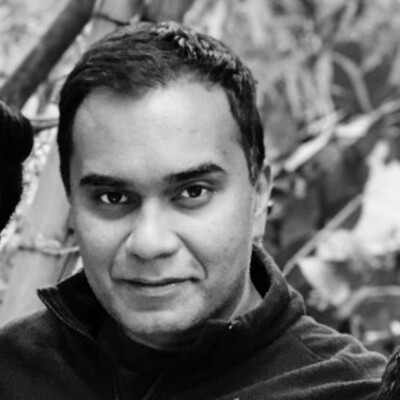
For HP, supply chain is not an internal function; it is part of the brand promise. Senior Director of Supply Chain Operations, Vijay Mark Rao, sits right in that sweet spot between global complexity and local expectations. With more than two decades across HP, Dell, American Express, Citi, and AXA, he understands both the operational grind and the boardroom conversation.
At HP, Rao has led customer operations and supply chain across multiple roles, building systems that keep devices and supplies flowing into a fragmented, price-sensitive market. His background in performance engineering and PMO shows up in how he thinks about structure: clear processes, tight metrics, and an eye on risk as much as cost. In a category where demand spikes around launches, exams, and festivals, his team’s ability to keep stock and service aligned is what makes HP feel dependable rather than lucky.
Yogesh Sarin – Director, Supply Chain, South Asia, Dell Technologies
“Designing resilient supply chains with AI and foresight.”
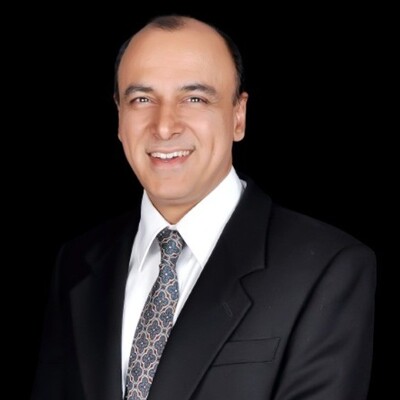
Electronics buyers have long memories when service goes wrong. That is why Dell’s Global Service Parts organisation in South Asia is such a crucial piece of its reputation. Director of Supply Chain, Yogesh Sarin, leads that engine. With over 30 years in procurement, EMS, and aftermarket networks, he has seen enough disruption to know that resilience is not a slogan, but design.
Sarin’s focus covers building agile, AI-assisted service supply chains across a region with wildly different infrastructures and expectations. Before Dell, he helped stand up greenfield operations for consumer electronics and telecom products, and ran India supply chains for firms like Elcoteq and Samsung. Today, his focus is on using data to predict failures, position parts closer to customers, and build ethical, sustainable partner ecosystems. In a world of thin margins and high service visibility, he is part of the reason Dell can promise support with a straight face.
Prakash Kumar Jothi Pragasam – Head of Supply Chain Management, Samsung India
“Optimizing end-to-end systems for market share and profitability.”

Samsung’s portfolio in India is uniquely broad – phones, TVs, appliances, components. Holding that together requires supply chain leadership that can see beyond any one product. As Head of Supply Chain Management, Prakash Kumar Jothi Pragasam brings more than twenty years of industrial experience to that challenge.
His focus is on end-to-end optimisation: planning, logistics, supplier relationships, and technology adoption that cuts cost without eroding responsiveness. Samsung’s scale means every improvement compounds quickly – a smarter route, a better forecast, a tighter supplier contract. Pragasam’s work reflects a bigger trend in electronics: supply chains are no longer just about ensuring availability; they are strategic levers for market share and profitability.
Devender Kumar – SCM Head, India Operations, OnePlus
“Mastering speed, risk management, and scalability in tech.”
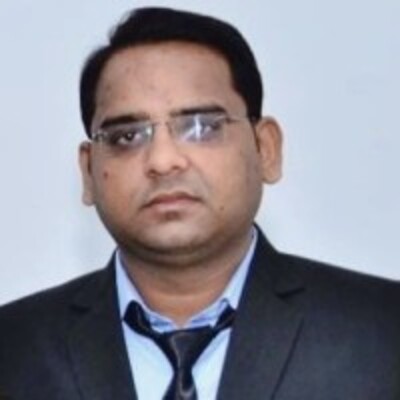
OnePlus has built its brand around speed – fast charging, fast software, fast launches. The supply chain has had to grow into that promise. As SCM Head of India Operations, Devender Kumar runs a network that feeds four large warehouses, hundreds of service centres, and a high-visibility online and offline footprint.
With 18 years across sectors, Kumar is used to juggling first- and last-mile, import planning, and service logistics under one roof. His team handles a mother hub of over 3 lakh square feet, tens of thousands of SKUs, and thousands of people. The real test, though, is how well they manage risk: shrinkage, damage, stock imbalance, and the volatility that comes with flagship launches. In an era when phones are aspirational and replaceable, his work turns a flash sale into a controlled operation rather than a logistical accident.
Pankaj Raut – Vice President, Supply Chain & Business Transformation, boAt
“Building India-based manufacturing ecosystems for a global rise.”

boAt’s rise from a challenger brand to one of the world’s most prominent wearables players is often told as a marketing story. Underneath, it is also a supply chain and policy story. Vice President of Supply Chain and Business Transformation, Pankaj Raut, has been at the center of that shift – building India-based manufacturing ecosystems, advancing technology platforms, and engaging with the government on policy.
With more than 18 years across consulting, manufacturing, and consumer electronics, Raut thinks in systems. At boAt, he has helped set up wearables manufacturing in India from scratch, worked on technology transfer with partners, and led digital transformation across supply chain execution, serialisation, and customer service. He is part of a growing group of leaders who treat supply chain as both an operational discipline and a product in itself – one that can be designed, upgraded, and differentiated.
Sourabh Raghuvanshi – Senior Vice President, Supply Chain & Customer Service, Lava International
“Leading the charge in transforming Indian mobile supply chains.”
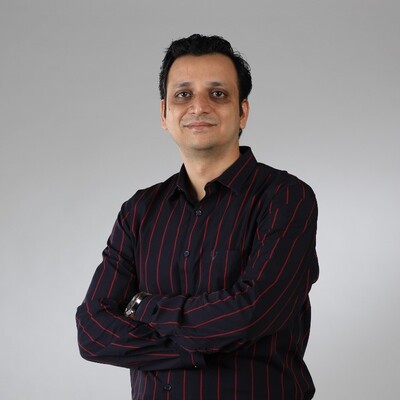
For a homegrown mobile brand like Lava, getting the supply chain right is about far more than cost. It is about proving that Indian electronics can be built, distributed, and serviced at global standards. Senior Vice President, Supply Chain and Customer Service, Sourabh Raghuvanshi, has spent over 16 years across Lava, Walmart, and Tata Motors doing just that.
At Lava, he has led planning, fulfilment, and customer service, while steering the company through waves of competition and policy change. His recognition as a 40-under-40 supply chain leader and awards for mobile supply chain transformation point to the mix he brings: strong fundamentals, comfort with e-commerce dynamics, and a willingness to experiment with new models. In many ways, he represents the “confident mid-stage” of Indian electronics – not just assembling for others, but running its own complex networks.
Anirudha Karnataki – Head of Supply Chain, Bajaj Electricals
“Driving digital transformation with data-led operations.”
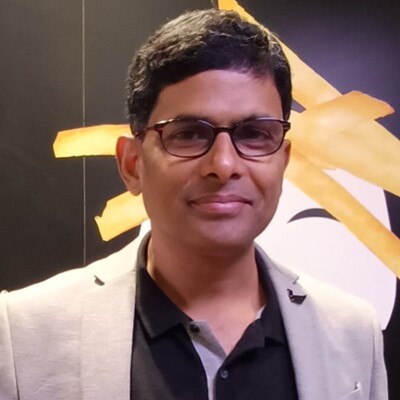
Bajaj Electricals sits at the crossroad of consumer appliances, lighting, and large lighting projects. That diversity is stark in its supply chain. As Head of Supply Chain, Anirudha Karnataki is responsible for balancing product availability and cost management across a network spanning 18 branches, hundreds of distributors, and roughly 2 lakh retail outlets.
His previous role at Eureka Forbes, where he drove localization, cost reduction, and de-risking, prepared him well for Bajaj’s current push into more digital, data-led operations. Karnataki is focused on building a strong team, using technology for better visibility, and anchoring decisions in both service levels and profitability. In a category where outages can hit both households and infrastructure projects, his work underlines how much supply chain discipline now shapes brand trust.
Shivendra Singh – Head of Supply Chain, Orient Electric
“Strategic supply chain leadership that powers smarter homes.”
Orient Electric has been present in Indian homes for decades through fans, lighting, and small appliances. Today, it also competes in a landscape shaped by e-commerce, rising energy standards, and smarter homes. Head of Supply Chain, Shivendra Singh, brings more than 23 years of experience across consumer durables, electronics, automotive, paper, and chemicals to this new phase.
His background in S&OP, corporate planning, and cost management means he approaches supply chain as an integrated planning problem rather than a series of isolated fixes. At Orient, that translates into sharper demand forecasting, tighter supply network management, and attention to working capital without compromising service. The pattern he represents is familiar across electronics: supply chain heads who sit close to strategy, not just operations.
Kumar Gaurav – Head of Supply Chain, Croma (Infiniti Retail)
“Bridging the gap between retail and logistics with precision.”
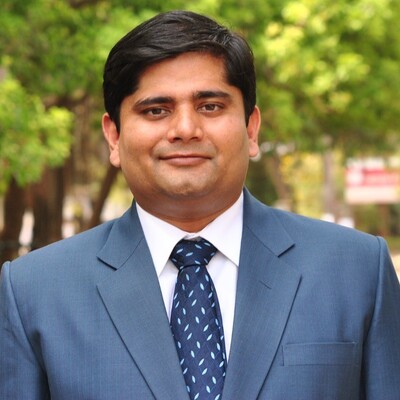
Croma sits in a tricky spot. It is a retailer, but customers expect brand-level service. It competes with online marketplaces but must also keep its stores relevant and well-stocked. As Head of Supply Chain, Kumar Gaurav is in charge of walking that tight rope and making those trade-offs feel invisible to the shopper.
With stints at Reliance Retail, Snapdeal, and Flipkart, and APICS CSCP credentials, he has deep experience in omni-channel fulfilment, imports, distribution, and reverse logistics. His team manages merchandise procurement and placement across distribution centres and stores, while also handling brand returns and after-sales complexity. The broader trend he stands for is the blurring of lines between retailers and logistics companies – Croma’s supply chain is now a key lever in how it designs the customer experience.
Alok Kumar Srivastava – Head of SCM, Intex Technologies
“Optimizing lean operations for price-sensitive markets.”
Intex Technologies has seen the electronics market evolve from feature phones to smart accessories and more. Through that evolution, the one constant has been the need to keep operations lean and responsive. As Head of Supply Chain Management and GM, Alok Kumar Srivastava oversees demand planning, production planning, imports, exports, warehousing, and transportation.
His job description reads like a blueprint for end-to-end control: ensuring the timely availability of raw materials and finished goods, optimising multi-modal transportation, monitoring inventory turnover, and using SAP-based analysis to spot and fix performance gaps. It is a reminder that behind every price-sensitive product line lies someone quietly tuning shipping schedules and routing choices so that the economics work.
Pushkin Kasat – Head of Supply Chain, LEAD Group (ex-Atomberg)
“Fusing tech platforms with supply chain excellence for explosive growth.”
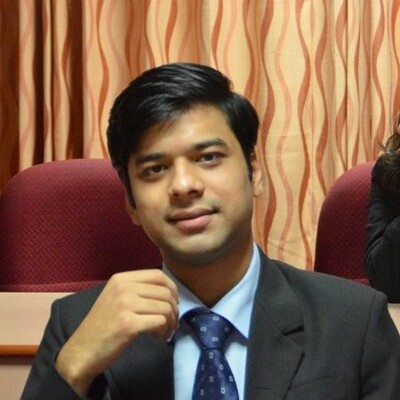
Pushkin Kasat’s story is a good example of how cross-industry skills travel in modern supply chains. A software engineer by training, he moved into logistics and materials at Asian Paints, then went on to build the supply chain at Atomberg from scratch as the brand scaled from roughly ₹140 crore to ₹1,300 crore in revenue.
At Atomberg, he owned everything from central planning and procurement to e-commerce operations, warehousing, logistics, and service. Now, as Head of Supply Chain at the LEAD Group, he is applying that experience to another growth context. His trajectory reflects a broader shift in electronics and allied categories: supply chain heads are as comfortable with technology platforms and process design as they are with freight negotiations.
Kartik Shah – Regional Manager, APAC Logistics, Sennheiser
“Ensuring seamless audio experiences with global logistics precision.”
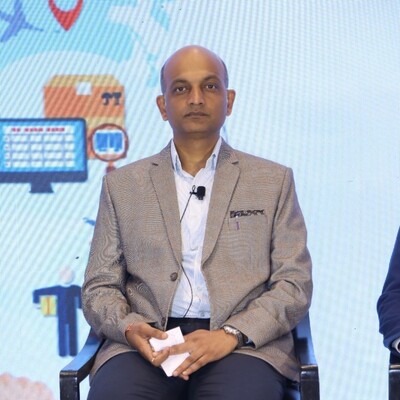
Sennheiser’s audio products move through a web of factories, distributors, and partners across continents. In the Asia-Pacific, the Regional Manager of Logistics, Kartik Shah, is responsible for ensuring that the web does not tangle. With an MBA in international business and certifications in data-driven supply chain transformation and compliance, he works at the intersection of trade, regulation, and operations.
His role involves optimising inventory across countries, keeping logistics costs in check, and ensuring that regional flows remain compliant and predictable. The job is as much about scenario planning and stakeholder communication as it is about containers and warehouses. Shah’s profile underlines one of the quieter truths of electronics: regional logistics leaders carry a disproportionate share of the risk when markets turn suddenly.
Shirish Chavan – Chief Manager, SCM, Reliance Digital
“Designing scalable supply chains that power a nationwide retailer.”
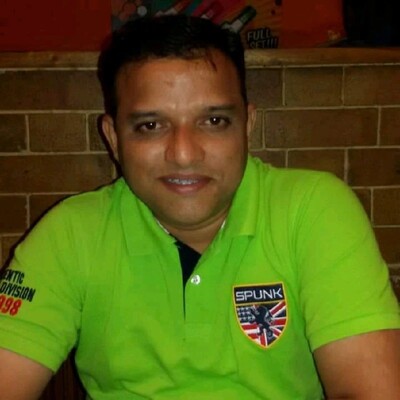
Reliance Digital is one of the largest organised electronics retailers in India, which means its supply chain feels every regional festival, every price drop, and every exclusive launch. Chief Manager – SCM, Shirish Chavan, oversees logistics and warehouse operations for its general trade business, including stock transfers between distribution centres and deliveries to customers and distributors.
With around 18 years of experience in logistics and inventory, he has designed warehouse systems to improve cost and service levels, negotiated 3PL contracts, and developed SOPs and training frameworks for partner teams. His day-to-day work (audits, cycle counts, performance tracking) might sound unglamorous, but this is precisely what keeps a nationwide retailer from drowning in its own scale.
Kavindra Singh – Supply Chain Manager, Sony India
“Delivering consistency and reliability at Sony’s premium standard.”
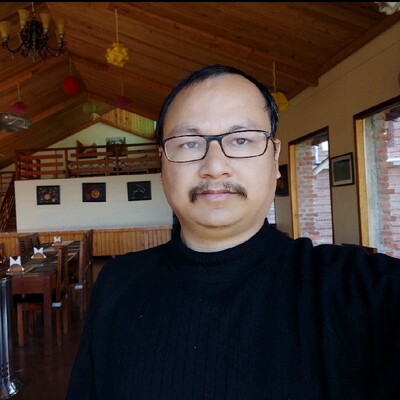
Sony’s brand is considered one of the premium ones in the electronics spectrum. Customers expect both polish and reliability. As Supply Chain Manager, Kavindra Singh’s role is to ensure the backend meets that expectation. With over 15 years of experience in logistics planning, inventory control, warehouse design, and 3PL management, he keeps the practical details tight.
Singh’s work includes inventory forecasting, freight cost management, warehouse layout design, SOP development, and team training. Much of it is about avoiding surprises: no sudden stock-outs in key outlets, no piles of obsolete stock, no chronic freight overruns. In the context of this list, he represents a layer of managers whose impact is felt mostly when something goes wrong, which is precisely why their quiet consistency matters.
Umesh Pandey – Supply Chain Manager, LG India
“Balancing regional operations with national scale to keep India connected.”
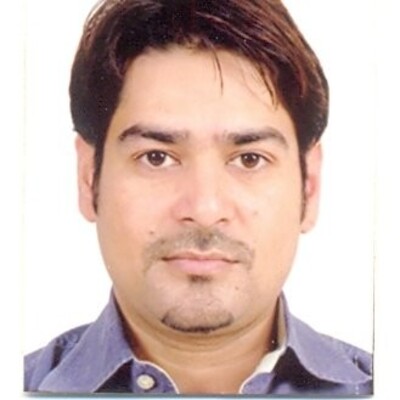
LG’s regional distribution centres are the “lungs” of its Indian network, and the Ghaziabad RDC is one of the most important. Supply Chain Manager, Umesh Pandey, runs that hub – more than a lakh square feet of space, over 1,200 SKUs, and a large team of C&F agents and warehouse staff.
His responsibilities stretch from demand forecasting and inventory control to cost reduction, warehouse safety, and multi-state transport management.
He has also handled broader regional duties across states, giving him a view of how different markets behave within the same system. Pandey’s work highlights how much electronics supply chains still depend on strong regional operators who can balance national policies with local realities.
Power Your Electronics Supply Chain with ClickPost.ai
Enhance your tech logistics to meet today’s customer demands, from lightning-fast deliveries to seamless after-sales service.
Key Features:
-
AI-Driven Demand Forecasting: Stay ahead of demand spikes with data-powered insights that optimize stock and service levels.
-
Multi-Channel Fulfillment: Streamline omnichannel operations, from online stores to physical outlets and quick commerce.
-
Real-Time Inventory Tracking: Keep track of all your products across regions, ensuring that you never miss a sale or service need.
-
Automated Returns Management: Enhance customer satisfaction by streamlining returns and reverse logistics, reducing operational overhead.
-
Sustainability-Focused Logistics: Align your supply chain with eco-friendly practices and policies while maintaining high efficiency.
Ready to Streamline Your Electronics Supply Chain?
Book a Demo today and see how ClickPost can help you future-proof your logistics, improve service reliability, and keep customers satisfied across every touchpoint!
What electronics supply chains are whispering about 2026
Taken together, these careers offer a useful forecast. Electronics supply chains in India are moving on three tracks at once: more local manufacturing and assembly, more digital and AI-driven decision-making, and much higher expectations around service and sustainability.
Directors and heads are busy with network design, policy, capital, and partners. Managers are worrying about lost sales, last-mile reliability, and warehouse discipline.
The brands that will stand out over the next few years will not be the ones shouting the loudest about specs. They will be the ones whose supply chains feel almost boring from a customer’s point of view: predictable launches, dependable service, and honest communication when things go wrong.
The leaders in this list are already building that version of “boring” – and once their voices and quotes are added, they will tell us exactly how they plan to keep India’s favourite devices flowing, no matter what the next disruption looks like.
Disclaimer:
This list was developed through an independent editorial review aimed at highlighting key leaders who are shaping the electronics supply chain landscape in India in 2025.
Evaluation criteria included measurable operational impact, contributions to digital transformation and process optimization, leadership in supply chain management, and influence on manufacturing, service reliability, and customer satisfaction.
This compilation is illustrative, not exhaustive, and does not represent a ranking. All insights are based on publicly available information and industry knowledge at the time of publication. No commercial affiliations or endorsements influenced the selection.