.png?width=193&height=27&name=ClickPost%20Logo%20(Blue).png)
.svg)
.svg)
.svg)
.svg)
.svg)
.svg)
.svg)
.svg)
.svg)


.svg)

.svg)
.svg)
.svg)
.svg)


.svg)
.svg)
.webp?width=286&height=206&name=ROI%20Calculator%20(1).webp)
.svg)
.svg)

.svg)

.webp?width=286&height=206&name=RTO%20Playbook%20(1).webp)

In this blog
The footwear business has never been about designs and celebrity launches alone. Behind every pair that actually reaches a shelf or a doorstep on time, there is a supply chain leader making hundreds of small, disciplined decisions. In 2021, the global footwear market was valued at $365 billion and is expected to grow at a 5.3% CAGR through 2028 (Source: Grand View Research).
As demand swings across seasons, channels, and regions, these leaders are the ones turning uncertainty into availability. In India, the footwear industry is projected to grow by 14.5% annually, driven by both domestic consumption and exports.
This list brings together some of the most influential minds shaping how footwear moves across India and beyond in 2026. Their ability to anticipate shifts in demand, optimize inventory, and deliver consistently on time is not just impressive — it’s essential for thriving in the competitive, fast-paced footwear market.
The people behind the pairs: Footwear supply chain leaders
mass-market value brands to premium global labels, footwear supply chains are getting more digital, more resilient, and far more customer-centric. The leaders below sit at the centre of that shift. They balance cost and speed, negotiate with vendors, partner with technology providers, and design networks that can serve everything from Exclusive Brand Outlets to marketplace orders.
| Leader | Role | Company | Experience | Core Expertise |
| Rishi Mutreja | Head of Supply Chain Management | Relaxo Footwears | 20+ years |
Global sourcing, contract manufacturing, warehousing, working-capital efficiency
|
| Aranya Ray | GM – Supply Chain Management | Khadim India Ltd. | ~20 years |
Procurement, merchandising, warehouse automation, vendor management, availability discipline
|
| Nirmal Gopi | Chief Manager – SCM | Paragon Footwear | 16+ years |
Production planning, raw material procurement, logistics, SAP transformation, AI forecasting
|
| Rajeev Kumar | DGM – Supply Chain & Logistics | Skechers India | 18+ years |
DC operations, greenfield/brownfield setups, automation, WMS/TMS
|
| Swapnil Padte | Supply Chain Lead | Nike India | Global experience (years not specified) |
Sustainability, procurement, packaging optimization, reverse logistics, circular design
|
| Ajit Sharma | Supply Chain Professional | Adidas India | 20+ years |
Materials planning, inventory control, logistics, data-led execution
|
| Rajendran K | Manager – Warehouse Supply Chain (B2C) | PUMA India | Multi-sector background |
Warehouse automation, 3PL operations, last-mile readiness
|
| Harsh Priyadarshi | Head – Demand & Supply Planning | Crocs India | 18+ years |
S&OP, demand forecasting, planning systems, agility
|
| Amol Prasadi | Head – Supply Chain Management | Metro Brands | Multi-industry experience |
Procurement, vendor management, high-frequency replenishment, distribution
|
| Desikan Narayanan | Head – SCM | Walkaroo | Finance + supply chain background |
Flow-based SCM, TOC principles, demand-led operations
|
| Shreyas Sharma | AGM – Supply Chain & Logistics | Bata India | Several years across logistics & process design |
Lean operations, analytics, replenishment, fulfilment discipline
|
| Manoj Negi | Supply Chain Manager | Liberty Shoes | Since 2018 (Manager since 2023) |
ERP-driven planning, omnichannel readiness, logistics improvement
|
| Sumeet K. Lohia | Country Manager (India) | ECCO Shoes | Global value-chain perspective |
Assortment planning, premium inventory flow, retail distribution
|
| Pravin Srivastava | Supply Chain Manager | Steve Madden India | 25+ years |
Automation, robotics, conveyor systems, QC
|
| Deepak Dagar | Sr. Manager – Ops & Supply Chain Excellence | VegNonVeg | 14+ years |
System building, vendor negotiation, inventory accuracy for hype products
|
| Manoj Pathak | Head – SCM & Logistics | Abros | Multi-channel operations experience |
Product buying, merchandising, ERP, reverse logistics
|
| Sachchida Nand Thakur | AGM – Supply Chain | JQR Sports | Multi-sector transport & footwear experience |
Process standardisation, fleet efficiency, vendor performance
|
| Ankit Arora | Head – Operations & Supply Chain | New Balance India | Deep experience in sporting goods (ex-Decathlon) |
Transport, customs, inland logistics, fulfilment infra
|
| Nikhil Nagare | Head – Supply Chain Management | Under Armour India | Experience across Nike + electronics + sportswear |
B2B/B2C coordination, 3PL alignment, demand response
|
| Nishit Patel | Head – Supply Chain Management | Ludic | Experience in pharma retail + electronics |
Vendor management, production planning, disciplined operations
|
Rishi Mutreja – Head of Supply Chain Management, Relaxo Footwears
Turning scale into speed is Relaxo’s biggest competitive advantage — and Rishi makes it possible.

At Relaxo, one of India’s most prominent footwear brands, Rishi Mutreja has turned scale into a competitive advantage rather than a constraint. With more than two decades of experience across global sourcing, contract manufacturing, and large-format warehousing, he oversees a supply chain that supports over 15,000 stock-keeping units without losing grip on working capital.
Under his leadership, Relaxo has sharply reduced stock-outs and excess inventory at the same time. Sales loss has dropped from double digits to low single digits, while finished goods inventory days have been significantly reduced across a 1.5 million-square-foot warehousing footprint. That network feeds a mix of wholesale, 399+ Exclusive Brand Outlets, traditional trade, exports to 30+ countries, and fast-growing e-commerce channels. Backed by SAP HANA and a pan-India logistics grid, Mutreja’s focus is simple: make the supply chain the growth engine, not just the back office.
Aranya Ray – General Manager, Supply Chain Management, Khadim India Ltd.
In a network this vast, availability isn’t a metric — it’s a discipline, and Aranya enforces it daily.

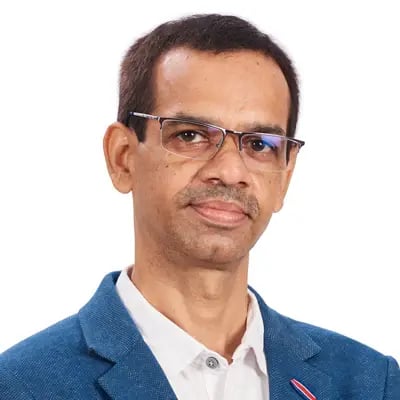
If you are running a legacy retail network on a national scale, you do not get many second chances when it comes to availability. Aranya Ray has spent nearly two decades making sure Khadim India rarely needs one. As GM of Supply Chain Management, he is responsible for getting the right pairs into over 800 exclusive outlets and 250 distributors spread across 23 states, while managing a long tail of roughly 15,000 SKUs.
Ray’s scope goes beyond logistics. He oversees procurement, merchandising, warehouse automation, range architecture, and vendor performance, tying them together into a system that delivers high on-time in-full rates. Khadim runs multiple distribution centres covering roughly half a million square feet, layered with barcoding, IT systems, and process discipline to keep product flowing. For a retailer balancing value pricing with mass reach, his work on flow, margin, and inventory turns directly influences the brand’s ability to compete across every market the.
Nirmal Gopi – Chief Manager – Supply Chain Management, Paragon Footwear
Paragon’s complexity becomes coherence when Nirmal is at the controls.

Paragon’s sprawling manufacturing and distribution footprint needs someone to make it feel like a single, coherent system. That is where Nirmal Gopi steps in. With a background in mechanical engineering and more than 16 years inside Paragon, he has worked across production planning, raw material procurement, plant operations, and logistics.
Gopi has been at the centre of Paragon’s digital and process transformation. His contributions include SAP rollouts, lean initiatives on the shop floor, and the introduction of AI-driven demand forecasting. The company runs a mix of in-house and outsourced units across multiple states, supported by 450+ distributors and 18 depots. His work on forecasting, inventory optimisation, and real-time vehicle tracking has helped Paragon tighten lead times and reduce waste while still serving millions of pairs to retailers across the country.
Rajeev Kumar – DGM, Supply Chain & Logistics, Skechers India
For Skechers, the warehouse is no longer a backend function — Rajeev turns it into a growth engine.

As Skechers scales rapidly in India, its logistics backbone has had to grow from a basic import-and-dispatch model into a sophisticated, tech-led network. Rajeev Kumar has been a key architect of that shift. With more than 18 years across express logistics, coffee retail, and fashion brands, he now runs national distribution centre operations for Skechers.
Kumar’s focus is on turning a 1.1 million-square-foot distribution centre near Mumbai into an engine of growth, not just a warehouse. He has led greenfield and brownfield setups, implemented modern WMS and TMS platforms, and used data to drive productivity gains of up to 50 percent. Skechers’ India strategy depends on reliably serving both offline partners and online marketplaces with long import lead times; his work on consolidation, automation, and 3PL partnerships keeps that system responsive while controlling cost.
Swapnil Padte – Supply Chain Lead, Nike (India)
Sustainability and speed rarely coexist. Swapnil proves they can.

Sustainability and performance are often treated as trade-offs in footwear supply chains. For Nike’s India operations, leaders like Swapnil Padte are actively trying to prove that assumption wrong. With global experience in logistics, procurement, and circular design projects, he leads initiatives that reduce waste and shorten lead times while improving transparency with suppliers.
Padte’s projects touch everything from packaging choices and material flows to how returns and refurbished products move through the network. Nike’s India supply chain is tied into a broader global system that uses AI for demand forecasting, regional service centres for speed, and robust reverse logistics for recycling and resale. His role is to help local operations plug into that ecosystem, adapt it to market realities, and push the agenda on circular economy practices without losing sight of service levels and margin.
Ajit Sharma – Supply Chain Professional, Adidas India
Ajit brings structure to a system that spans continents and channels — execution is his power.

Over a 20-year career, much of it in sportswear, Ajit Sharma has moved through almost every major layer of supply chain management: logistics, materials planning, inventory control, and complex data analysis. At Adidas India, he operates within a network spanning Asian manufacturing hubs, regional warehouses, and a mix of B2B and B2C channels.
Sharma’s USP lies in his comfort with both detail and scale. He works within systems that handle global sourcing, domestic distribution, and city-level last-mile in the same breath. His earlier roles at Reebok and ITC have given him a broad perspective on how consumer brands manage replenishment and risk. At Adidas, that translates into a focus on reliable order-to-delivery execution, tight integration with 3PL partners, and the balancing act between forward and reverse logistics as online volumes grow.
Rajendran K – Manager, Warehouse Supply Chain (B2C), PUMA India
Last-mile experience defines brand love, and Rajendran shapes that moment for millions.

For global brands, the last link between a cart and a doorstep is increasingly what defines the experience. At PUMA India, Rajendran K is one of the people shaping that link. As Manager – Warehouse (B2C) Supply Chain, he oversees 3PL operations, warehouse efficiency, and process improvements dedicated to direct-to-consumer flows.
Rajendran brings experience from food delivery and middle-mile roles, which have sharpened his instinct for speed, accuracy, and cross-functional coordination. PUMA’s India team is working with partners like Accenture on AI and digital twins to redesign its network, accelerate deliveries, and reduce costs. Within that context, he focuses on automation inside the warehouse, robust safety and quality practices, and close alignment with e-commerce and retail teams so that network design and daily execution do not drift apart.
Harsh Priyadarshi – Head of Demand and Supply Planning, Crocs India
In a market built on sudden spikes, Harsh turns unpredictability into smooth, planned flow.
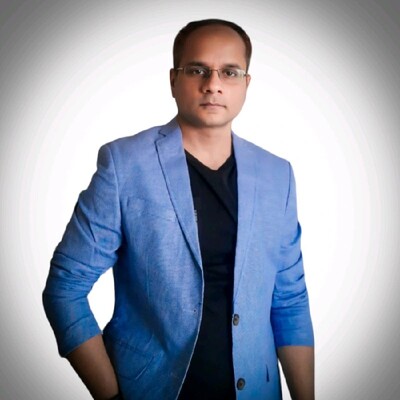
Clogs that go viral on social media are exciting; clogs that go viral AND are available in the correct size when customers look for them are what really matter. That is the gap Harsh Priyadarshi is solving for at Crocs India. With more than 18 years across consumer goods and electronics, including stints at EY, LG, and Carlsberg, he leads demand and supply planning for the brand.
Crocs runs a flexible, data-led supply chain that must react quickly to in-season demand spikes without drowning in excess inventory. Priyadarshi’s expertise in sales and ops planning, forecasting tools, and enterprise planning systems helps the company balance those pressures. He works with a complex network of suppliers and logistics partners, using digital platforms to improve fill rates, reduce lost sales, and maintain agility as Crocs adds new styles, collaborations, and channels in the Indian market.
Amol Prasadi – Head of Supply Chain Management, Metro Brands
Amol keeps a complex multi-brand engine lean, fast, and always ready for the next demand curve.
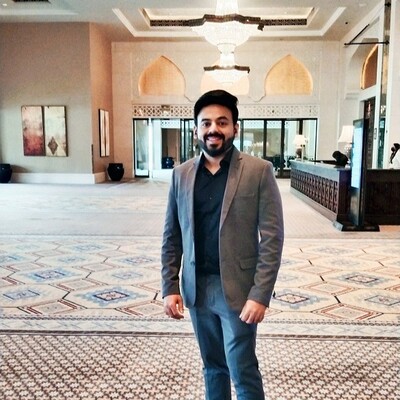
Metro Brands sits in a complex position: a multi-brand, multi-format player that must keep stores productive across hundreds of locations while running a lean operation. As Head of Supply Chain Management, Amol Prasadi is responsible for the machinery that keeps that promise working in practice. His previous experience across beverages, personal care, and quick-service retail gives him an instinctive feel for high-frequency replenishment.
From procurement and vendor management to inventory and distribution, Prasadi’s mandate is to ensure consistent product availability for brands like Metro, Mochi, Walkway, Crocs (as a partner), and others under the group. Metro’s footprint spans 900+ stores and millions of customers; his work on network design, stock planning, and delivery discipline directly shapes how those customers experience the brand, whether they walk into a mall outlet or order from an online partner.
Desikan Narayanan – Head of Supply Chain Management, Walkaroo
For Desikan, movement is everything — stock must flow, not sit.

Walkaroo’s rise in the value footwear category has been powered by a supply chain that thinks in terms of flow rather than just stock. As Head of SCM, Desikan Narayanan has driven that shift. With experience across consumer goods companies and a strong finance foundation, he brings both operational and commercial lenses to every decision.
Walkaroo runs 22 depots, works with more than 750 distributors, and services around 150,000 retail outlets. The company has moved from batch processing to a “pull-based” model, using IT systems and Theory of Constraints principles to keep product moving in line with demand. Narayanan’s work with partners like Vector Consulting has helped improve working capital turns and availability at the same time. For a brand that competes on accessibility and freshness of designs, his role is central to sustaining growth without clogging up the system.
Shreyas Sharma – AGM, Supply Chain & Logistics, Bata India
Legacy networks don’t modernise themselves. Shreyas builds the bridge between old strength and new speed.

Bata’s supply chain has been undergoing a quiet yet meaningful shift, and leaders like Shreyas Sharma are steering that transition. As AGM – Supply Chain & Logistics, he brings a contemporary, data-driven approach to a legacy network spanning thousands of points of sale across India. With a background in large-scale logistics operations and process design, he focuses on tightening execution across replenishment, fulfilment, and inter-warehouse movement without adding unnecessary complexity to the system.
Sharma’s strengths lie in structured problem-solving and cross-functional alignment. He works with planning, finance, sourcing, and store operations to drive better inventory turns and service levels. His expertise in program management, lean practices, and analytics tools helps him quickly identify where capacity, cost, or flow may be out of sync. For a brand balancing heritage with digital acceleration, his ability to modernise logistics while maintaining day-to-day operations' predictability makes him a key contributor to Bata’s next chapter.
Manoj Negi – Supply Chain Manager, Liberty Shoes
Manoj balances domestic muscle with global reach — a rare operational sweet spot.

Liberty Shoes operates at the intersection of domestic manufacturing and international sourcing, and its supply chain must be comfortable in both worlds. As Supply Chain Manager, Manoj Negi sits in the middle of that balance. Since joining the company’s supply chain team in 2018 and stepping into his current role in 2023, he has been part of efforts to tighten inventory, improve logistics, and support omni-channel ambitions.
Liberty runs six manufacturing units with a sizeable daily capacity, supplies products through 150 distributors, 400 exclusive showrooms, and more than 6,000 multi-brand outlets, and exports to over 25 countries. Negi works within an ERP-driven framework that coordinates domestic suppliers, international partners, and a far-reaching distribution network. His job is to ensure the system can support both core value lines and fashion-forward collections without compromising service or quality.
Sumeet K. Lohia – Country Manager (India), ECCO Shoes
Premium comfort demands premium precision. Sumeet ensures both travel together.
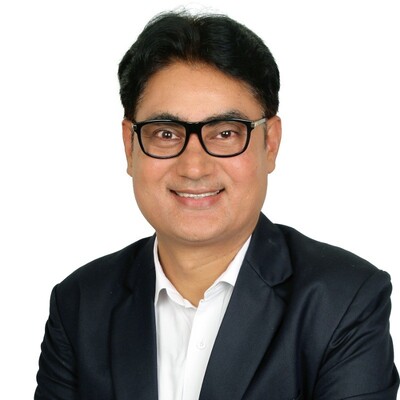
ECCO controls almost every layer of its value chain globally, from tanneries to retail. In India, that integrated philosophy meets a dynamic, fast-evolving market. Sumeet K. Lohia sits at that junction. As Country Manager, he is responsible for the overall business, but supply chain and product flow are at the heart of the role.
Lohia oversees ECCO’s retail presence, multi-brand doors, and e-commerce distribution in India, ensuring that global standards of comfort and craftsmanship translate into consistent local availability. His focus on innovation, efficiency, and customer experience guides how inventory is planned, how assortments are curated for Indian consumers, and how the brand partners with local players while staying true to its global playbook. In a market where premium comfort footwear is still building share, his supply chain decisions directly shape ECCO’s pace of growth.
Pravin Srivastava – Supply Chain Manager, Steve Madden India
Automation isn’t a buzzword for Pravin — it’s the backbone of fashion-speed fulfilment.

Steve Madden’s India business operates in a segment where trends move quickly, and customers expect fresh assortments almost every visit. As Supply Chain Manager, Pravin Srivastava helps make that speed possible. With more than 25 years in footwear and a strong grounding in engineering and data analysis, he specialises in using automation to support that pace.
Srivastava has led the design of a 500,000 sq.ft. omnichannel facility that incorporates autonomous mobile robots, conveyor systems, and automated packaging. The goal is straightforward: handle higher volumes with fewer errors and lower unit cost. He also oversees quality and product testing to ensure that fashion-forward designs continue to meet performance and safety standards. For a brand built on style, his work ensures that the logistics backbone is just as sharp as the product line.
Deepak Dagar – Senior Manager, Operations & Supply Chain Excellence, VegNonVeg
Hype moves fast. Deepak’s systems move faster.

Premium sneaker retail has its own operational challenges: limited drops, fast-moving hype cycles, and demanding customers. At VegNonVeg, India’s first multi-brand sneaker and streetwear boutique, Deepak Dagar is one of the people keeping that machine running. With 14+ years in supply chain and operations, much of it spent building systems for young brands, he specialises in taking businesses from “startup chaos” to repeatable, scalable processes.
Dagar oversees end-to-end operations, including inventory management, warehouse systems, and logistics optimisation. His work ensures that limited-edition launches land where they should, when they should, without tying up disproportionate capital in slow-moving styles. By tightening vendor management, negotiating smartly, and using data to inform replenishment, he helps VegNonVeg maintain its reputation for curation and reliability in a niche, high-expectation segment.
Manoj Pathak – Head, Supply Chain & Logistics, Abros
Manoj turns operational discipline into competitive advantage across every layer of the network.

Abros has built a tightly controlled supply chain, from raw materials to finished shoes, and leaders like Manoj Pathak ensure that integration translates into real value. As Operation Head for Supply Chain and Logistics, he is responsible for everything from product buying and merchandising plans to vendor relationships and last-mile delivery.
Pathak’s experience covers retail functions, ERP implementation, reverse logistics, and multi-channel fulfilment. Abros operates in-house, with sole manufacturing, runs its own lab, and works with a mix of retailers and direct-to-consumer channels. His job is to connect these dots so that category mixes, price points, and regional assortments align with what the network can actually deliver. By focusing on profitability metrics like sell-through, margins, and return on investment, he positions the supply chain as a lever for both growth and discipline.
Sachchida Nand Thakur – AGM, Supply Chain, JQR Sports®
Sachchida turns process into power, making efficiency a habit, not a project.
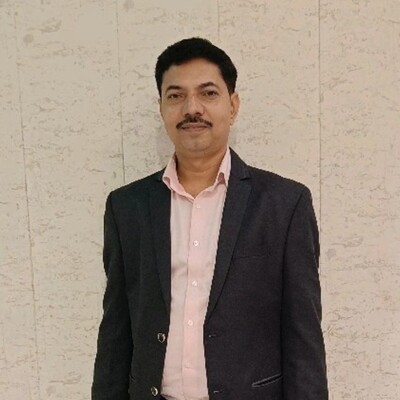
JQR Sports plays in the competitive sports and athleisure space, where cost, reliability, and speed matter equally. As Assistant General Manager – Supply Chain, Sachchida Nand Thakur leads initiatives to sharpen the backbone of the business each year. With earlier stints in footwear, dedicated logistics providers, and nationwide transport operations, he brings a pragmatic, field-tested view to the role.
Thakur’s focus areas include process standardisation, vendor performance, and the use of data to drive decisions rather than habit. JQR’s supply chain leadership team is investing in better WMS practices, fleet efficiency, and quality systems to support growth. Within that context, his role is to keep operational efficiency and cost discipline moving in the same direction, even as product lines and channels expand.
Ankit Arora – Head of Operations & Supply Chain, New Balance India
Ankit builds supply chains that don’t just scale — they anticipate the next leap.

New Balance is expanding its reach in India at a time when the brand is also reshaping where and how its products are made globally. As Head of Operations and Supply Chain, Ankit Arora sits at the heart of that evolution. He manages the full operational stack, such as transport, trade compliance, inland movement, customs coordination, and the logistics engine for both physical retail and e-commerce. His role also includes setting up and running the fulfilment infrastructure that supports new store openings and fast-growing online demand.
Arora brings deep experience from large-format sporting goods retail, where he previously led supply chain and logistics at Decathlon India. That background helps him manage the broad mix of responsibilities that come with running New Balance’s Indian supply chain while preparing for its future manufacturing expansion. With new facilities planned in Tamil Nadu through partnerships with Farida Group and CJ Group, his work ensures that India’s operational foundation is strong enough to support both domestic demand and the brand’s growing export ambitions.
Nikhil Nagare – Head of Supply Chain Management, Under Armour India
Nikhil’s strength lies in coordination — a network that never misses a beat.

Under Armour’s India business operates with a streamlined, partner-driven model, and Nikhil Nagare is responsible for keeping that system coordinated and responsive. As Head of Supply Chain Management, he oversees both B2B and B2C operations, ensuring that stores, distributors, and online customers are served with the same level of consistency. His experience spans roles in consumer electronics and global sportswear, including inbound planning at Nike, giving him a clear sense of how high-performance brands design and scale their logistics networks.
Nagare works closely with 3PL partners such as DSV India and Avaniko to manage inbound flows, warehouse processes, and delivery performance. With a CSCP certification and a strong command of planning frameworks, he focuses on reducing friction in movement, improving inventory accuracy, and strengthening the ability to respond to demand shifts. As Under Armour deepens its presence in India, his leadership helps maintain reliability in a network that blends global manufacturing, outsourced logistics, and a growing direct-to-consumer footprint.
Nishit Patel – Head of Supply Chain Management, Ludic
Nishit keeps Ludic’s fast-moving, footwear-first lifestyle engine running with precision and consistency.
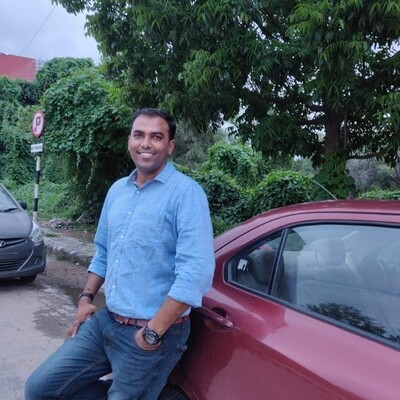
Ludic is a young, design-driven lifestyle brand built on original footwear and apparel — and its supply chain must scale with both creativity and discipline. As Head of Supply Chain Management, Nishit Patel oversees the end-to-end system that turns Ludic’s ideas into on-time product flow. His prior experience with Medkart Pharmacy and LG Electronics gives him a grounded understanding of vendor control, inventory accuracy, and the kind of process reliability that fast-growing brands depend on.
At Ludic, Nishit manages procurement, supplier coordination, production planning, and distribution, ensuring product availability across the brand’s online channels and expanding offline footprint. His focus on planning discipline and operational clarity helps Ludic maintain its pace without losing consistency. As the brand scales its catalogue and customer base, his role ensures the supply chain remains steady, predictable, and aligned with Ludic’s design ambitions.
Building the Footwear Supply Chain of Tomorrow
The leaders featured above are moving their organisations toward smarter, faster, more transparent supply chains. But execution at scale requires technology built specifically for modern footwear operations — from order allocation to doorstep experience.
Closing the loop: Why these leaders and their thoughts matter
Footwear supply chains are under pressure from every side, such as rising input costs, unpredictable demand spikes, and customers who now benchmark every delivery against the best experience they have ever had. The leaders on this list are not just reacting to that reality; they are quietly redesigning networks, processes, and partnerships so their brands can compete on more than price alone.
Over the coming months, as they share their views on what is next for logistics and supply chain, one thing is already clear: the future of footwear will be decided as much in warehouses, control towers, and planning rooms as it will be on design boards and marketing decks.
ClickPost partners with India’s leading footwear and fashion brands to:
-
Reduce return rates and lost sales
-
Improve delivery speed and reliability
-
Enable intelligent, automated exception handling
-
Give customers and internal teams complete tracking visibility
-
Strengthen bottom-line efficiency across channels
If your brand is ready to modernise logistics and turn post-purchase into a competitive edge:
👉 Get a personalised ClickPost demo and see what next-gen logistics looks like.
Disclaimer:
This list was developed through an independent editorial review focused on identifying leaders shaping India’s footwear supply chain in 2026. Evaluation criteria included measurable operational impact, contributions to digital and process transformation, leadership in demand planning and fulfilment, and influence on multi-channel availability. This compilation is illustrative, not exhaustive, and does not represent a ranking. All insights are based on publicly available information and industry understanding at the time of publication. No commercial affiliations or endorsements influenced the selection.