.png?width=193&height=27&name=ClickPost%20Logo%20(Blue).png)
.svg)
.svg)
.svg)
.svg)
.svg)
.svg)
.svg)
.svg)
.svg)


.svg)
.svg)
.svg)
.svg)
.svg)


.svg)
.svg)
.webp?width=286&height=206&name=ROI%20Calculator%20(1).webp)
.svg)
.svg)

.svg)

.webp?width=286&height=206&name=RTO%20Playbook%20(1).webp)

In this blog
From cold chains and cloud kitchens to quick commerce and cross-border health foods, food and beverage supply chains in India have changed more in the last decade than in the previous three put together. Demand is unpredictable, channels are fragmented, and consumers now expect everything: safety, speed, transparency, and values.
Behind that complexity is a quiet group of operators who make sure products actually move from farm clusters and blending plants to dark stores, kiranas, and export markets. This edit brings together 15 such leaders whose day‑to‑day decisions say a lot about where food and beverage supply chains are headed next. Their quotes will speak for themselves; this piece is about putting their work in context.
The people re‑engineering food & beverage supply chains
In a sector where margins are thin and expectations are sky‑high, the most interesting shift is not only what brands sell but how they run. Integrated cold chains, farmer‑first sourcing, D2C fulfilment, and digitally‑enabled planning are no longer “nice to have”, but survival basics.
| Leaders | Role | Company | Experience |
| Sandeep Raghunath Deoghare | Chief Supply Chain Officer | Hector Beverages (Paper Boat) |
Decades of experience in supply chain from Kellanova, Kellogg, Mondelēz, Coca-Cola, Pernod Ricard
|
| Dharmesh Joshi | Director – Integrated Supply Chain | Epigamia (Drums Food International) |
30+ years in FMCG supply chains, with roles at Mondelēz International and Pidilite
|
| Balbir S. Bhalla | Head of Physical Logistics – SAR | Nestlé |
Experience across FMCG, consumer durables, IT hardware
|
| Hari Kumar V | Chief Supply Chain Officer | Wingreens (RAW Pressery & other brands) |
30+ years in FMCG, dairy, retail, and logistics
|
| Chiranjiv Mohanty | Head of Supply Chain | Licious |
14+ years in operations and manufacturing
|
| Mohan Kumar Chinnadurai | Head of Supply Chain & Operations | Eggoz Nutrition |
16+ years in operations and supply chain, with stints at Licious, Hatsun Agro, Suguna Foods
|
| Kaivalya Desai | Vice President – Operations & Supply Chain | Happilo |
13+ years in FMCG, e-commerce, consulting
|
| Yash Sanghvi | EIR Supply Chain | The Whole Truth Foods |
MBA in Operations Management, Chemical Engineering, executive programme from IIM Ahmedabad
|
| Sohan Kulkarni | Vice President – Supply Chain | Wellbeing Nutrition |
Experience at Amazon, Tata CliQ, Bosch, Tata Power
|
| Rupesh R. Saini | Head of Supply Chain | Orion India |
18+ years in FMCG logistics and planning with Britannia, Dabur, Carlsberg
|
| Anuj Kumar | Head of Supply Chain & Logistics | Paras Spices Pvt. Ltd. |
18 years in supply chain and logistics
|
| Vaibhav Sanap | Supply Chain Manager | Capital Foods Pvt. Ltd. |
13 years in FMCG manufacturing
|
| Vinay M. | Head of Supply Chain | Foodstrong |
10+ years of experience in e-commerce and FMCG
|
| Sukumar Perneti | Head of Supply Chain Management | True Elements |
10+ years in FMCG and e-commerce
|
| Amit Kumar | Procurement & Supply Chain Manager | Organic India |
Expertise in supply chain, demand forecasting, cost management
|
The leaders below sit at different points in that journey. Some run multi‑country logistics for legacy giants; others are building first‑time networks for new‑age health brands. Taken together, they offer a good lens on the future of food and beverage logistics in India.
Sandeep Raghunath Deoghare: Chief Supply Chain Officer, Hector Beverages (Paper Boat)
Bridging nostalgia and logistics: Ensuring Paper Boat's flavors reach every corner of India.

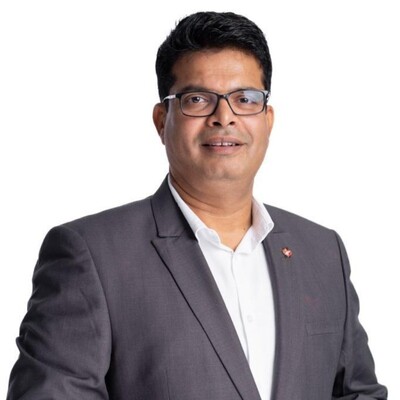
Paper Boat’s promise has always been emotional (childhood flavours in a pouch), but the engine beneath it is deeply operational. As Chief Supply Chain Officer at Hector Beverages, Sandeep Deoghare sits at the intersection of nostalgia and strict manufacturing discipline. His expertise spans plant operations, network design, digitisation, and ensuring a ready‑to‑drink beverage stays safe, stable, and profitable across seasons.
Sandeep brings decades of manufacturing and supply chain experience from Kellanova, Kellogg Company, Mondelēz International, The Coca‑Cola Company, and Pernod Ricard. That history shows in the way he thinks: factory throughput, resource planning, and supply chain digitisation are not separate topics, but parts of a single system. His journey from greenfield distillery projects to large cereal plants makes him one of the few leaders who comfortably straddle both brownfield optimisation and zero‑to‑one builds. That skill set becomes critical as Paper Boat expands from nostalgia drinks into a broader portfolio.
Dharmesh Joshi: Director – Integrated Supply Chain, Epigamia (Drums Food International)
From factory floors to chillers: Epigamia’s integrated supply chain expert ensuring fresh, high-protein products stay intact.

Greek yoghurt and high‑protein snacks only work as a category if the supply chain behaves like clockwork. As Director of Integrated Supply Chain at Drums Food International, Dharmesh Joshi oversees exactly that: how fresh products move from plants to chillers without breaking the cold chain or the P&L.
With around three decades in FMCG supply chains, Dharmesh has done the whole arc. It ranges from planning and manufacturing to factory leadership, contract manufacturing, logistics, and customer delivery. Previous stints at Mondelēz International and Pidilite put him in charge of multi‑site operations and large capital programmes. That background is visible in Epigamia’s integrated approach, where capacity planning, cost efficiency, and factory projects are managed together rather than as separate firefights. As the brand pushes deeper into new cities and formats, that kind of end‑to‑end thinking is precisely what keeps quality high and wastage low.
Balbir S. Bhalla: Head of Physical Logistics – SAR, Nestlé
Navigating complexity: Making Nestlé’s South Asian supply chain reliable, resilient, and sustainable.

Nestlé’s supply chain in South Asia has to deal with the full spectrum of distribution: everyday staples, premium nutrition, rural kiranas, urban modern trade, and cross‑border flows. As Head of Physical Logistics for the SAR region, Balbir Bhalla is responsible for turning that complexity into a predictable movement of goods.
His profile combines classic FMCG execution with a systems lens: operations management, automation, demand planning, reverse logistics, and warehouse optimisation. Before Nestlé, he worked across food and beverages, consumer durables, and IT hardware, giving him a broader perspective on how different industries approach infrastructure. In practice, his work is about building logistics setups that are fast enough for modern retail, robust enough for India’s roads, and efficient enough to protect margins; all while keeping an eye on sustainability and network resilience.
Hari Kumar V: Chief Supply Chain Officer, Wingreens (RAW Pressery & other brands)
Scaling Wingreens with precision: Building digitally-enabled, high-velocity supply chains that thrive in India’s diverse markets.

Few leaders have seen as many versions of the Indian F&B supply chain as Hari Kumar. Now Chief Supply Chain Officer at Wingreens (which includes brands like RAW Pressery), he brings 30+ years of experience running logistics and operations across dairy, FMCG, retail, and dedicated logistics.
Hari’s track record is about building, fixing, and scaling. He has set up greenfield operations, modernised legacy networks, and managed businesses up to the $450 million mark while leading teams of 500+ people. Roles across PepsiCo, SABMiller, Parag Milk Foods, UniverCell, and GEODIS have given him experience in procurement, secondary distribution, and cost‑efficient route‑to‑market models. At Wingreens, this shows up as digitally‑enabled, high‑velocity supply chains that can handle short shelf lives, fragmented demand, and a growing mix of modern trade, e‑commerce, and general trade.
Chiranjiv Mohanty: Head of Supply Chain, Licious
The cold chain master: Safeguarding Licious’s promise of fresh meat and seafood across India with innovation and consistency.
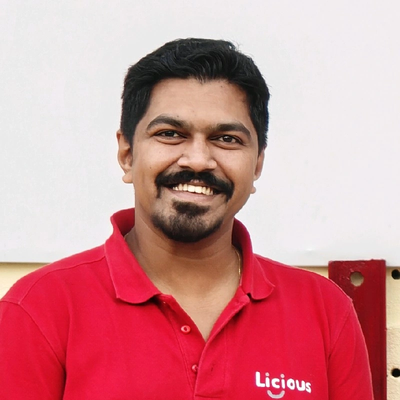
Licious fundamentally changed how Indians think about meat and seafood — and that shift rests on a cold chain that simply cannot fail. As Head of Supply Chain, Chiranjiv Mohanty is responsible for keeping that 0–4°C promise intact, from bio‑secure farms and processing units to city hubs and dark stores.
With more than 14 years of experience across operations, continuous improvement, and manufacturing, Chiranjiv is the archetype of the new supply chain leader: hands‑on, data‑driven, and deeply interested in Industry 4.0, automation, and structured problem solving. Licious’s fully integrated cold chain, FSSC 22000 certification, and backward‑integrated poultry and seafood sourcing all need tight coordination between plants, planning, and the last‑mile. His role is to make sure that quality and consistency scale together as the brand enters new cities and categories.
Mohan Kumar Chinnadurai: Head of Supply Chain & Operations, Eggoz Nutrition
Revolutionizing egg supply chains: Ensuring Eggoz’s traceability and freshness from farm to doorstep.

Where Licious did it for meat, Eggoz is doing the same for eggs, bringing traceability, quality consistency, and brand trust into what was historically an unorganised category. As Head of Supply Chain & Operations, Mohan Kumar sits right in the middle of that experiment. His 16+ years in operations and supply chain cut across Licious, Hatsun Agro, Suguna Foods, and Hindustan Unilever.
That mix of poultry, dairy, and large‑scale FMCG gives him a nuanced feel for both farm‑side realities and modern retail expectations. At Eggoz, he oversees end‑to‑end operations across the first, mid, and last mile, with a strong emphasis on automation, cost efficiency, and service levels. Data‑backed decision making, IoT‑enabled visibility, and Six Sigma discipline turn what could be a fragile network into a repeatable system that can support sensitive, high‑volume deliveries.
Kaivalya Desai: Vice President – Operations & Supply Chain, Happilo
Transforming dry fruits into daily essentials: Streamlining Happilo’s supply chain for freshness, cost-efficiency, and speed.
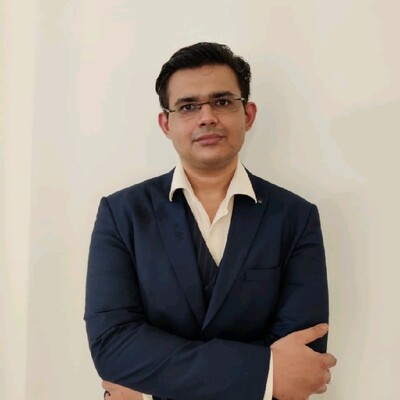
Dry fruits and better‑for‑you snacks have gone from festive purchases to daily pantry staples, putting enormous pressure on availability and freshness. As Vice President of Operations & Supply Chain at Happilo, Kaivalya Desai is responsible for making that shift viable at scale.
With 13+ years in FMCG, e‑commerce, and consulting, Kaivalya has worked on both sides of the table: running operations within brands and helping design agile networks from outside. At Happilo, he leads planning, sourcing, manufacturing, logistics, and tech enablement under one umbrella. Prior stints at Amazon, Coca‑Cola, ITC, L&T, and KPMG sharpened his skills in packaging optimization, order consolidation, and digital transformation. The result is a supply chain that can respond quickly to promotion spikes, manage a broad SKU base, and still keep a tight handle on cost and service metrics.
Yash Sanghvi: EIR Supply Chain, The Whole Truth Foods
Transparency at every step: Building a clean-label supply chain for The Whole Truth Foods, from packaging to delivery.

Clean‑label brands raise the bar not just on ingredients but on how the supply chain behaves. As EIR and Head of Supply Chain at The Whole Truth Foods, Yash Sanghvi has built the backbone that supports the brand’s rapid rise in a crowded, sceptical market. With an MBA in Operations Management, an executive programme from IIM Ahmedabad, and a degree in Chemical Engineering, Yash blends technical rigour with entrepreneurial thinking.
At The Whole Truth, he has led end‑to‑end supply chain strategy, warehousing, logistics, planning, and packaging procurement from the ground up. His work includes reducing delivery lead times, negotiating better vendor contracts, and mentoring a high‑performing team in a direct‑to‑consumer setup. For a brand that has staked its reputation on transparency, the supply chain itself has to be honest, reliable, and ready for scrutiny. His function is designed exactly that way.
Sohan Kulkarni: Vice President – Supply Chain, Wellbeing Nutrition
Wellbeing by Design: Crafting Multi-Channel Supply Chains for a Growing Wellness Brand

Wellbeing Nutrition sits in a space where product stories blur the lines between pharma, FMCG, and D2C wellness. As Vice President of Supply Chain, Sohan Kulkarni has been responsible for turning that hybrid model into an actual operating network.
His earlier experience at Amazon, Tata CliQ, Bosch, and Tata Power spans e‑commerce, manufacturing, and operations excellence. At Wellbeing Nutrition, he has built the supply chain from scratch and scaled it: multi‑channel networks serving B2B, D2C, B2C, and export; 3PL manufacturing and vendor management; digitisation across warehousing and logistics; and a strong focus on customer experience. Demand planning, packaging procurement, and international logistics all sit within his scope, signalling how central the supply chain is to the brand’s growth story.
Rupesh R. Saini: Head of Supply Chain, Orion India
Snacks on Time, Every Time: The Backbone of Orion India’s Reliable Biscuit Supply

For a biscuit and snacks company, the supply chain is the difference between being “present” in the market and truly available. As Head of Supply Chain at Orion India, Rupesh Saini is responsible for ensuring the company’s products arrive on time, in the right quantities, and at the right cost.
His 18+ years in FMCG logistics and planning span Britannia, Dabur International, and Carlsberg, where he handled multi‑modal transportation, secondary distribution, warehouse operations, and customer service. That experience has hard‑wired a data‑driven approach to route design, service‑level improvement, and network optimisation. In Orion India, it translates into agile distribution, stronger dispatch discipline, and a culture of continuous improvement that keeps both costs and service levels in check as the brand expands.
Anuj Kumar: Head of Supply Chain & Logistics, Paras Spices Pvt. Ltd.
Spicing Up Efficiency: Turning Complex Spice Logistics into a Seamless Operation

Spices are deceptively complex to manage. They are agricultural, seasonal, highly quality‑sensitive, and increasingly branded. As Head of Supply Chain & Logistics at Paras Spices, Anuj Kumar oversees this entire arc. It ranges from gate‑in to gate‑out at fully mechanised plants. All of it ensures on-time delivery for global food companies.
With 18 years in supply chain and logistics across retail, automotive, and manufacturing, Anuj’s toolkit includes import/export, demand forecasting, warehouse management, transport planning, and WMS implementation. Paras Spices operates advanced facilities in Moga and Pantnagar, supported by direct farmer engagement to improve agronomy and meet strict customer standards. His role is to keep this ecosystem in sync: a stable supply for manufacturers, fair practices for farmers, and tight control over inventory and quality in between.
Vaibhav Sanap: Supply Chain Manager, Capital Foods Pvt. Ltd. (Ching’s Secret, Smith & Jones)
Flavor Meets Precision: Managing Supply Chains for India’s Favorite Flavors
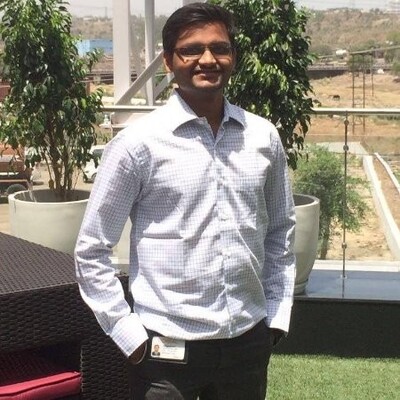
Capital Foods, now part of Tata Consumer Products, helped define the “Indo Chinese” category in India. Behind that fun positioning sits a serious network of plants in Nashik, Vapi, and Kandla, and a distribution footprint that stretches from Indian metros to export markets. As Supply Chain Manager, Vaibhav Sanap is one of the people keeping that machine running.
With around 13 years of experience in FMCG manufacturing, he oversees demand and supply planning, sourcing, production planning, inventory management, warehousing, and order processing. His career has included both startup‑scale turnarounds and large manufacturing expansions, which help balance cost, service, and growth. In a business where flavours can go viral, and demand can spike overnight, his job is to ensure the right SKUs are in the right depots without over‑carrying stock or compromising hygiene and food safety.
Vinay M.: Head of Supply Chain, Foodstrong
Building the Backbone of Protein: Scalable Supply Chains for a Lifestyle Brand

Protein‑rich brands like Foodstrong are part of a newer wave of Indian F&B, which is digitally native, science‑backed, and built around lifestyle niches. As Head of Supply Chain, Vinay’s work is to give that positioning a dependable operational backbone.
With over a decade of experience across e‑commerce and FMCG, including stints at Pepperfry and Snapdeal, he specialises in procurement, demand planning, inventory control, and last‑mile distribution. In a fast‑paced startup environment, category ownership means running the full loop: reliable sourcing, tight negotiations, stock visibility, and on‑ground execution that meets promised service levels. His focus on measurable outcomes and performance metrics fits well with a brand that competes on both functionality and customer experience.
Sukumar Perneti: Head of Supply Chain Management, True Elements
Clean Label Supply Chains: Delivering Quality and Transparency in Every Grain

True Elements positions itself as a “clean label” breakfast and snacks brand, which makes trust and reliability non‑negotiable. As Head of Supply Chain Management (and a founding team member), Sukumar Perneti has been central to building that trust into the way the company runs.
Over more than a decade in FMCG and e‑commerce, Sukumar has led procurement, planning, warehousing, logistics, and last‑mile delivery across D2C, q‑commerce, modern trade, and marketplaces. He helped build an in‑house ERP alongside the tech team, cut stockouts by a quarter, improved OTIF, and brought order turnaround times down from seven to four‑and‑a‑half days. Cost savings from sharper negotiations and billing reconciliation, 97%+ inventory accuracy, and lean warehousing practices demonstrate how deeply the supply chain is woven into True Elements’ growth story.
Amit Kumar: Procurement & Supply Chain Manager, Organic India
Organic Promise, Streamlined Supply: Making Sustainability Work at Scale

Organic India’s promise is as much about how it sources as it is about what it sells. As Procurement and Supply Chain Manager, Amit Kumar’s role is to protect that promise while keeping the business commercially viable. His expertise spans vendor management, demand forecasting, purchase order projections, cost negotiations, and inventory management.
He does it all within the strict constraints of organic certification and natural product handling. Following Organic India’s acquisition by Tata Consumer Products, the company’s certified supply chain, farmer network, and global footprint need even tighter integration with mainstream FMCG systems. Amit’s work on improving order fulfilment rates, managing vendor costs, and coaching teams for on‑the‑ground execution helps bridge that gap between mission‑driven sourcing and large‑scale retail.
Revolutionize Your Food & Beverage Logistics with ClickPost
Drive speed, efficiency, and transparency across your supply chain while staying true to your brand’s promise of quality and sustainability.
Key Features:
-
Cold Chain Management: Maintain product quality and safety with real-time cold chain visibility.
-
Multi-Channel Fulfillment: Seamlessly integrate D2C, retail, and e-commerce channels for smoother operations.
-
AI-Driven Demand Forecasting: Predict demand spikes and optimize inventory to prevent stockouts or wastage.
-
Real-Time Tracking: Ensure visibility from warehouse to last mile with real-time tracking and automated alerts.
-
Sustainability Focus: Build eco-friendly logistics models with optimized routes and packaging options.
-webp.webp?width=1710&height=566&name=Yoga%20Bar%20(1)-webp.webp)
Ready to Scale Your Food & Beverage Brand’s Supply Chain?
Book a Demo today and learn how ClickPost can help streamline your logistics, reduce costs, and boost your brand’s supply chain efficiency!
What these leaders tell us about the future of F&B supply chains
Look across these 15 careers, and a few themes stand out immediately.
First, the line between manufacturing, planning, and logistics is disappearing. The most effective leaders here are not “dispatch managers”; they own everything from capacity decisions and plant efficiency to last‑mile SLAs and export readiness. Titles like Chief Supply Chain Officer, Director – Integrated Supply Chain, or Head of Supply Chain & Operations signal that end‑to‑end ownership.
Second, digital is no longer a side project. Whether it is Sandeep Deoghare and Dharmesh Joshi driving supply chain digitisation, or leaders like Yash Sanghvi and Sukumar Perneti co‑building ERPs and analytics tools, technology has become part of the core operating model. Better forecasting, network visibility, cost analytics, and traceability will only get more important as the sector moves deeper into D2C, q‑commerce, and global e‑commerce.
Third, quality and purpose are now supply chain questions. You can see it in Paras Spices’ work with farmers, Organic India’s certified sourcing, Eggoz’s focus on safe eggs, and The Whole Truth or Foodstrong’s emphasis on honest labels. In each case, the supply chain leader is as responsible for protecting that narrative as the marketing team.
Finally, there is a strong pivot towards resilience: multi‑channel networks, diversified manufacturing locations, stronger 3PL partnerships, and more emphasis on data‑backed decision making. Whether it is Nestlé’s regional logistics, Wingreens’ high‑velocity fresh chains, or Orion India and Capital Foods managing volatile demand, the common thread is the same — build systems that bend under pressure but do not break.
For any organization selling into the Indian food and beverage market, these are not just impressive resumes. They are a shortlist of the people already solving the problems everyone else is waking up to.
Disclaimer:
This list was developed through an independent editorial review focused on identifying key leaders shaping India’s food and beverage supply chain. The evaluation criteria included operational impact, contributions to supply chain innovation, leadership in digital transformation, and influence on product availability and logistics efficiency. This compilation is illustrative and not exhaustive, and does not represent a ranking. All insights are based on publicly available information and industry understanding at the time of publication. No commercial affiliations or endorsements influenced the selection.