%20%20-%20Menu.svg)






In this blog
TL;DR Summary
If you want to understand how the cosmetics category actually runs, follow the supply chain. The leaders in this list are not doing abstract transformation work. They are making sure inventory matches demand, packaging and formulas arrive on time, and newness hits the market without creating chaos behind the scenes.
-
Brand-level supply leaders keep launches realistic and protect core items from stockouts.
-
Luxury and prestige operators balance brand experience with cost, quality, and sustainability requirements.
-
Retail execution specialists win by improving service levels, inventory health, and on-shelf availability.
-
Global planning leaders manage the tradeoffs that happen when multiple markets compete for a limited supply.
-
Enterprise product supply executives push innovation to enable speed and reliability to scale together.
.A strong cosmetics supply chain does not just deliver products. It protects the customer experience and gives the brand room to grow without losing its footing.
As per the Grandview Research, the U.S. Cosmetics Market is projected to grow substantially, expanding at a Compound Annual Growth Rate (CAGR) of 6.01% between 2025 and 2032 (forecast period). This growth will see the market size increase significantly from $335.95 billion in 2024 to an estimated $556.21 billion by 2032.
Introduction
Beauty looks effortless at the counter, but it is anything but effortless behind the scenes. Every launch has a race against time that starts with raw materials, runs through contract manufacturers and packaging suppliers, passes through quality gates, and finishes with inventory landing in the right distribution nodes before a trend cools off.
This directory of supply chain leaders for cosmetics is built for teams that want names, not noise. For readers who care about how the industry actually moves when demand spikes, a formulation changes, or a retailer suddenly pulls forward a promotion.
Key highlights
-
In the United States, demand is still split between value hunting and treat-yourself purchases, keeping planning teams on their toes. That makes forecasting less forgiving than it used to be.
-
Recent reporting has pointed to a soft patch in mass market cosmetics, while prestige categories like fragrance have held up better.
-
Supply chain leaders are spending more time on mix decisions and fewer blanket assumptions about category growth.
-
The cosmetics network is unusually packaging-heavy. It creates long lead times for components such as pumps, caps, and decorated glass. That makes supplier relationship management feel more like a daily discipline than a quarterly meeting.
-
E-commerce has changed the fulfillment profile. Higher-order volume with smaller baskets increases pick-and-pack pressure, while returns and damage rates require better packaging engineering and tighter quality loops.
-
Sustainability is no longer a slide at the end of the deck. It now shows up in supplier scorecards, carton redesigns, and freight decisions.
Top 25 supply chain leaders in the US cosmetics industry
The names below sit at the intersection of sourcing, manufacturing, planning, distribution, and quality. Some run global value chains. Others lead brand-level networks that must execute fast launches without losing control of cost or compliance.
Each leader is listed with a short profile designed to help you understand where they have built credibility and what they are known for in the cosmetics supply chain conversation.
|
Leader |
Title |
Company |
Supply Chain Focus |
What Makes Them Stand Out |
|
EVP & Chief Value Chain Officer |
Estée Lauder Companies |
Global value chain, manufacturing, sustainability |
Known for aligning luxury brand creativity with disciplined global operations |
|
|
Associate Vice President, Supply Chain |
e.l.f. Beauty |
Supply planning, forecasting, optimization |
Deep CPG planning experience blended with fast-cycle beauty execution |
|
|
Chief Supply Chain Officer |
Revlon |
End-to-end global supply chain |
Led stabilization and restructuring during complex brand transitions |
|
|
Chief Supply Chain Officer |
Ulta Beauty |
Retail distribution, e-commerce fulfillment |
Architect of Ulta’s market fulfillment center model |
|
|
Global Chief Supply Chain Officer |
Orveon Global (bareMinerals) |
Global transformation, procurement |
Brings multi-decade beauty and FMCG leadership across continents |
|
|
Managing Director, Supply Chain |
Bluemercury |
Merchandise planning, logistics |
Combines consulting rigor with luxury retail execution |
|
|
Chief Supply Chain Officer |
Coty |
Digital supply chain, agility |
Strong advocate for AI-driven planning and cultural ownership |
|
|
VP, Supply Chain & Manufacturing Ops |
Seed Beauty / ColourPop |
Manufacturing, capacity planning |
Rose through factory floors to executive leadership |
|
|
Director, Supply Chain |
Tarte Cosmetics |
S&OP, inventory flow |
Built structured planning systems inside a fast-growing brand |
|
|
VP, Supply Chain & Operations |
Glossier |
Operations strategy, fulfillment |
Known for people-first leadership and operational empathy |
|
|
Chief Supply Chain Officer |
Mary Kay |
Global manufacturing, quality |
Scaled supply operations across nearly 40 global markets |
|
|
Chief Supply Chain Officer |
Rare Beauty |
Brand scaling, supplier performance |
Balanced rapid growth with stable supplier networks |
|
|
VP, Global Brand Supply Chain |
MAC Cosmetics |
New product launches, packaging |
Deep experience in managing complex global launches |
|
|
Head of Global Supply Chain |
Westman Atelier |
Luxury sourcing, supplier strategy |
Blends boutique brand needs with enterprise discipline |
|
|
Global Chief Supply Network Officer |
Shiseido / NARS |
End-to-end global operations |
Drives supply network modernization at group scale |
|
|
Director, Global Brand Supply Chain |
Bobbi Brown |
Brand-level planning, forecasting |
Long-tenured operator with deep brand understanding |
|
|
Senior Vice President, Operations |
Fresh (LVMH) |
Demand planning, sustainability |
Luxury operations leader with cross-brand LVMH exposure |
|
|
Senior Vice President, Supply Chain |
Anastasia Beverly Hills |
Omnichannel supply chain |
Combines analytics with prestige retail execution |
|
|
Chief Supply Chain & Logistics Officer |
Bath & Body Works |
Vertically integrated manufacturing |
Builder of the Beauty Park innovation ecosystem |
|
|
SVP, Global Supply Chain |
Olaplex |
Scaling high-growth operations |
Known for building supply chains that grow with the brand |
|
|
Supply Chain Director |
ILIA Beauty |
Clean beauty sourcing |
Guides complex clean formulations through retail scale |
|
|
Director, Supply Chain |
Maybelline New York |
Retail availability, CPFR |
Veteran operator focused on shelf readiness |
|
|
Senior Manager, Global Brand Supply Chain |
Kiehl’s |
Global inventory coordination |
Key link between global planning and local markets |
|
|
Vice President, Supply Chain |
L’Oréal USA |
Demand and supply planning |
Leads data-driven supply chain transformation |
|
|
Chief Product Supply Officer |
Procter & Gamble |
Global product supply innovation |
Architect of one of the world’s largest supply networks |
Roberto Canevari, Executive Vice President and Chief Value Chain Officer, The Estée Lauder Companies
Runs value-chain leadership at enterprise scale, aligning planning, manufacturing, quality, and sustainability into one cadence.


Roberto Canevari operates at a scale where a single decision ripples across brands, regions, and factories. At Estée Lauder, his remit links planning, manufacturing, logistics, quality, and sustainability into one operating rhythm.
His earlier years in large consumer and luxury businesses show up in the way he balances speed and discipline. Teams that work with him often describe an emphasis on end-to-end visibility and cleaner handoffs between the commercial and operations teams. That matters in beauty, where demand can outpace capacity.
Rob Sobol, Associate Vice President, Supply Chain, e.l.f. Beauty
Planning-led execution for a pace brand—keeping availability high while assortments move fast.
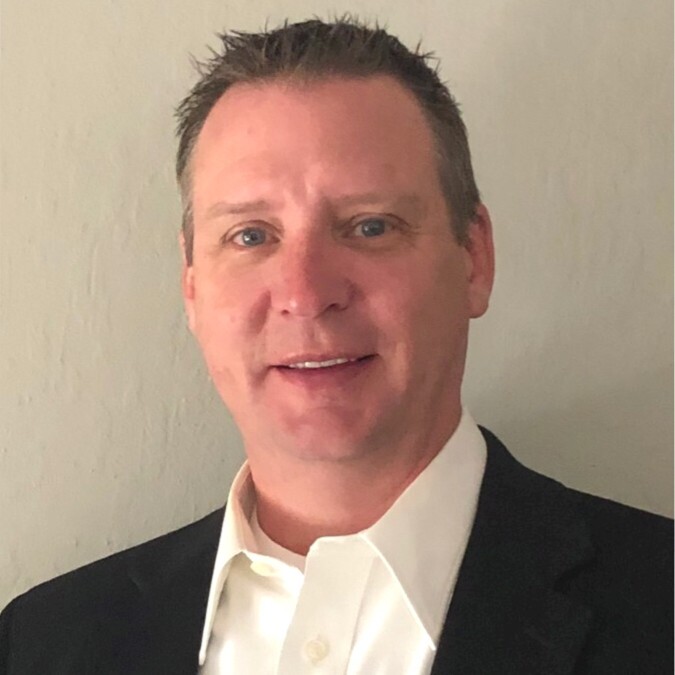
Rob Sobol brings a planning-driven lens to a brand that wins on pace and value. His background in operations planning and supply planning shows up in how e.l.f. scales without letting service levels slip. The work here is not glamorous. It is about product availability, shelf readiness, and managing the tradeoffs that come with rapid assortment changes.
He has spent years building consistency in forecasting, inventory posture, and supplier coordination, which is hard to do when growth is fast and launches are frequent.
Thomas Cho, Chief Supply Chain Officer, Revlon
Restores operational control in complex networks through cadence, accountability, and end-to-end discipline.
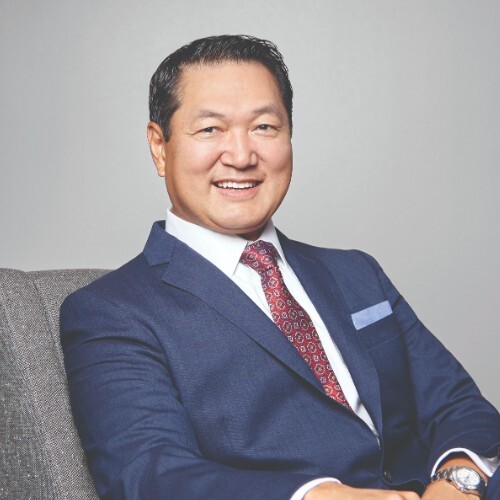
Thomas Cho is known for stepping into complex supply networks and restoring operational control. At Revlon, he carries the end-to-end mandate across strategy, procurement, manufacturing, and logistics.
His career includes leadership roles where process discipline matters, and that shows up in a strong focus on planning cadence and execution follow-through. In a cosmetics business with global footprints and legacy complexity, his value is often in the basics done well. Strong S and OP, clearer ownership, and fewer surprises at the back end.
Erik Lopez, Chief Supply Chain Officer, Ulta Beauty
Builds retail and e-commerce supply chains that protect the guest experience under promotional volatility.
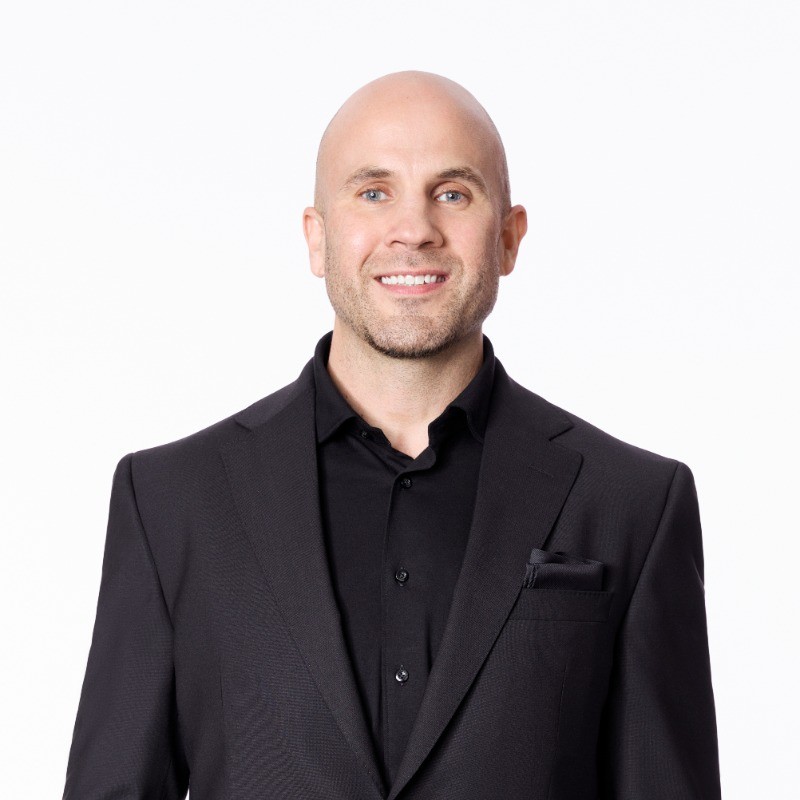
Erik Lopez sits close to the shopper experience, because Ulta’s supply chain is part retail operations and part e-commerce engine. He has grown inside the company, so he understands store realities, peak season stress, and the way promotions can warp demand.
What stands out is the ability to blend network design with day-to-day execution. When Ulta invests in new fulfillment models, it is not just a warehouse story. It is about speed to shelf, store replenishment, and keeping the guest experience steady even when volumes swing.
Richard Jones, Global Chief Supply Chain Officer, Orveon Global
Drives global supply chain transformation by standardizing what breaks at scale—without slowing innovation.

Richard Jones has spent decades across consumer goods and beauty, and that depth shows in how he approaches transformation. At Orveon, he supports brands like bareMinerals by tightening the link between product strategy and operational reality.
Leaders who have run global networks tend to obsess over what breaks at scale, and he is no exception. Expect a focus on supplier performance, manufacturing stability, and sensible standardization. In the beauty world, that can mean fewer emergency expediting moves and a healthier cost-to-serve over time.
Aki Terasaki, Managing Director of Supply Chain and Interim Head of Merchandise Planning, Bluemercury
Bridges merchandise planning and supply execution to reduce markdown risk and protect luxury availability.

Aki Terasaki works at the intersection of retail planning and supply chain execution, where minor errors can lead to painful markdowns. At Bluemercury, the job demands strong inventory control and a feel for luxury retail expectations.
His experience spans consulting and high-speed commerce, often translating into a practical mindset for systems and processes. In beauty retail, the supply chain is not only about moving cartons. It is about knowing what should sit where, when to chase a hot item, and when to protect margin by not overbuying.
Graeme Carter, Chief Global Supply Chain Officer, Coty
Modernizes global networks with data-driven responsiveness while keeping manufacturing and quality execution stable.

Graeme Carter has led across very different operating cultures, which is helpful in a portfolio business with multiple channels and product types. At Coty, his leadership centers on making the network more responsive by using data and digital tools without losing the human judgment that operations still require.
Beauty supply chains face high SKU counts and constant innovation, so planning for quality and manufacturing agility matters. His background across major consumer companies supports a focus on scalable operating discipline rather than one-off heroics.
Luis J. Castellanos, Vice President, Supply Chain and Manufacturing Operations, Seed Beauty and ColourPop
Operationalizes speed-to-market through manufacturing readiness, component control, and changeover discipline.

Luis J. Castellanos grew with Seed Beauty, moving through manufacturing and planning roles before stepping into a broader leadership seat. That path matters because it builds credibility with shop floor teams and planners alike. ColourPop’s model depends on speed and a steady flow of newness, so manufacturing planning and material readiness are constant challenges.
His work often lies in the details that outsiders miss, such as batch timing, component availability, and changeover discipline. Those are the levers that keep fast beauty from becoming chaotic beauty.
Nicholas Lentini, Director, Supply Chain, Tarte Cosmetics
Turns demand signals into executable plans—preventing assortment growth from eroding core availability.

Nicholas Lentini’s profile is a classic example of someone who has lived inside planning cycles for years. At Tarte, he has moved through roles tied to inventory flow and sales and operations planning, and that progression shows a deep understanding of how demand signals become purchase orders and production plans.
Beauty brands that scale quickly can drown in their own assortment. His work helps prevent that by building routines around forecasting, inventory health, and cross-functional alignment, so launches do not sabotage core availability.
Kinta C. Gates, Vice President, Supply Chain and Operations, Glossier
Builds scalable operations that protect brand promise—balancing speed, partner alignment, and team sustainability.
Kinta C. Gates brings an operations voice that still sounds human, which matters in organizations where teams are stretched, and priorities collide. At Glossier, the supply chain challenge is about balancing brand promise with real constraints in suppliers, freight, and fulfillment.
Her background across beauty and other consumer industries shows up in how she talks about performance and culture together. That often translates into clearer operating expectations, tighter collaboration with partners, and a focus on building systems that can handle growth without burning people out.
Chaun Harper, Chief Supply Chain Officer, Mary Kay
Leads a global production engine where consistency, quality, and continuous improvement are the strategy.

Chaun Harper leads a global manufacturing and supply chain engine that must serve multiple markets while staying consistent on quality. Mary Kay’s model makes customer availability a strategic issue, so production planning, procurement, and logistics must work as a single system.
His career progression inside the company signals deep operational familiarity, and leaders with that background tend to push continuous improvement with a clear view of constraints. In a category where regulatory and quality expectations are high, steady execution is a competitive advantage.
Karina Jarzec Giunipero, Chief Supply Chain Officer, Rare Beauty
Creates supply rhythm for high-velocity brands—launch planning, supplier alignment, and service protection.

Karina Jarzec Giunipero has spent years in beauty supply environments where brand heat can outpace capacity. At Rare Beauty, she oversees the network that supports a modern, fast-moving brand while protecting service and quality.
Her previous roles across planning, purchasing, and supply leadership make her approach balanced. Not every problem is solved by buying more inventory. Often, it is solved by better supplier rhythm, clearer launch planning, and tighter coordination between marketing, demand planning, and manufacturing partners.
Scott Grzybowski, Vice President, Global Brand Supply Chain, MAC Cosmetics
Makes launches operationally real—manufacturing and packaging readiness aligned to brand calendars.

Scott Grzybowski operates in a brand environment that lives on launches, shade stories, and seasonal momentum. His role spans procurement choices, manufacturing readiness, and the behind-the-scenes packaging engineering that makes cosmetics feel premium.
He has also worked within the broader Estée Lauder ecosystem, which helps when you need to align brand needs with enterprise standards. The work is often about balancing creative ambition with operational feasibility. When those two stay aligned, launches arrive on time, and the brand avoids expensive last-minute fixes.
Peg Kaleniecki, Head of Global Supply Chain, Westman Atelier
Protects luxury execution through disciplined vendor strategy and low-error, high-reliability operations.

Peg Kaleniecki has spent much of her career in beauty supply chains where brand perception is fragile, and execution must be clean. At Westman Atelier, she leads a global network that has to protect luxury cues while still behaving like a modern business.
Her experience across brand supply chain leadership gives her a feel for vendor selection, packaging complexity, and the small operational decisions that affect consumer experience. Leaders at this level often win by making fewer mistakes and by building reliable partners rather than chasing constant switches.
Antonios Spiliotopoulos, Global Chief Supply Network Officer, Shiseido Group and NARS Cosmetics network
Shapes multi-brand supply networks for resilience, footprint intelligence, and enterprise accountability.
Antonios Spiliotopoulos leads supply network decisions at the group level, shaping how multiple brands are sourced, manufactured, and delivered. His earlier years in beauty manufacturing and operations show up in the way he speaks about end-to-end accountability.
In a global beauty house, the supply network must support a range of speed profiles, from hero products to niche launches. His impact often comes through network resilience, smarter manufacturing footprints, and a steady push toward digital and sustainability goals without losing operational control.
Elizabeth (Shackel) Madden, Director, Global Brand Supply Chain, Bobbi Brown
Translates commercial ambition into reliable supply—launch realism, shade precision, and component control.

Elizabeth Madden sits close to the heartbeat of a legacy makeup brand that runs on timing, shade accuracy, and packaging precision. At Bobbi Brown, she helps translate the commercial calendar into supply decisions that hold up across regions and channels. That means keeping launches realistic, protecting core items from stockouts, and making sure marketing plans and factory realities stay in the same conversation.
Her path within The Estée Lauder Companies gives her the kind of brand fluency that comes only with repetition and responsibility. She has moved through planning and execution roles that have sharpened her forecasting of beauty demand, her work with component suppliers, and her ability to manage change as formulas, packs, or claims evolve.
Julio De La Jara, Senior Vice President of Operations, Fresh
Runs luxury operations where brand feel depends on supply discipline—quality, sustainability, and global execution.

Julio De La Jara operates in the luxury lane, where product experience and supply discipline must coexist. At Fresh, his work spans planning, product development support, supply chain, quality, and sustainability, which puts him at the intersection of brand ambition and operational truth. When a skincare or fragrance line scales, he is the person who ensures the network can keep up without losing the feel of the brand.
His experience across LVMH houses gives him a perspective on global sourcing, inventory strategy, and the practical tradeoffs behind omnichannel availability. Leaders like him often spend as much time aligning teams as they do solving supply constraints.
Brian Lee, Senior Vice President, Supply Chain, Anastasia Beverly Hills
Builds trend-responsive supply chains that still deliver consistently across prestige retail and DTC.
Brian Lee leads supply chain in a business that lives on trend cycles and fast spikes, then expects flawless delivery to prestige retail and direct channels. At Anastasia Beverly Hills, his scope covers planning, manufacturing, logistics, and the day-to-day decisions that keep product flowing to partners and to consumers.
His background across luxury, beauty, and entertainment planning informs how he thinks about demand signals and network rhythm. He has worked in environments where timing is unforgiving, and that experience is helpful in cosmetics, where launches can either build momentum or miss the moment.
Tom Mazurek, Chief Supply Chain and Logistics Officer, Bath and Body Works
Designs network speed for peak seasonality—high volume, rapid replenishment, cost control.
Tom Mazurek has grown with Bath & Body Works through eras of shifting consumer habits and relentless seasonality. His role spans supply chain and logistics, and it extends into how the company designs speed into its network. In a category driven by gifting, limited-time scents, and promotions, he helps ensure the business can replenish quickly without compromising cost or quality.
He is often associated with the company’s vertically integrated approach in the United States, where proximity and coordination can shorten the path from idea to shelf. He represents the operational leaders who build reliability into a brand that moves at high volume.
Emily Olivieri, Senior Vice President, Global Supply Chain, Olaplex
Strengthens supply foundations in high-scrutiny environments—process rigor, partner resilience, quality continuity.

Emily Olivieri stepped into a supply chain role at a brand that has experienced both rapid growth and intense scrutiny from the market. At Olaplex, the supply chain must support consistent product quality while also responding to channel shifts and retailer expectations. Her work focuses on building the processes and partnerships that prevent minor issues from becoming major disruptions.
She has experience in high-growth environments where teams need structure without losing speed. That shows up in how you select suppliers, set service levels, and maintain visibility from manufacturing through fulfillment.
Sandra Boulding, Supply Chain Director, ILIA Beauty
Stabilizes clean-beauty supply under constraint—ingredient compliance, lead-time control, and growth readiness.

Sandra Boulding works in clean beauty, which brings its own supply chain realities. Claims, ingredients, and compliance can narrow supplier options, and demand can surge when a product becomes a social favorite. At ILIA Beauty, her job is to maintain a stable supply as the brand expands across geographies and retail partners.
Directors at this level tune reorder points, manage lead times, coordinate with contract manufacturers, and keep the flow of components healthy, so the finished good line does not stall. Her profile reflects the leaders who make growth possible without burning out the system.
Joseph Alfieri, Director, Supply Chain, Maybelline New York
Protects on-shelf and launch performance through inventory targets, system discipline, and execution hygiene.

Joseph Alfieri’s work sits close to retail performance, where on-shelf availability and launch execution decide whether a brand wins the week. At Maybelline New York, he focuses on the everyday mechanics that keep product front of mind during promotions and newness cycles. That includes managing inventory targets, improving fill rates, and reducing the friction that causes returns and delays.
He also brings deep familiarity with the systems side of the work, which matters in large beauty portfolios that rely on clean master data and disciplined planning. The cosmetics supply chain is about ensuring stores and distribution centers receive the right mix at the right time, even when the plan changes midstream.
Rosaria Esposito-Costagliola, Senior Manager, Global Brand Supply Chain, Kiehl’s
Balances global demand and supply across markets—inventory arbitration with operational clarity.
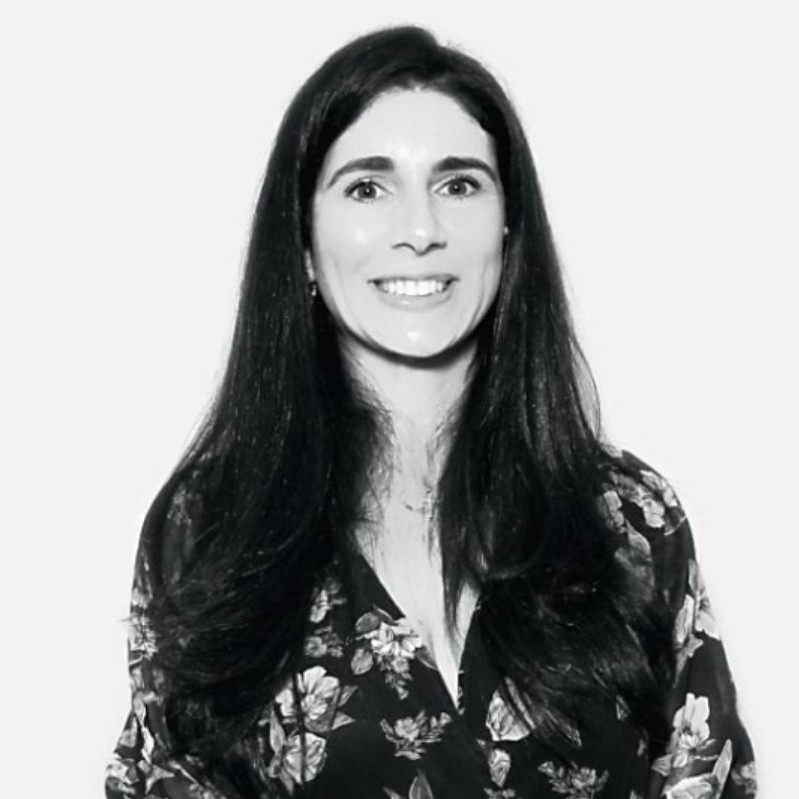
Rosaria Esposito-Costagliola operates in a global brand setting where markets compete for the same inventory, and launches must be staged with care. At Kiehl’s, she is involved in demand and supply balancing, inventory target management, and the steady communication required to maintain coherence across global plans.
Her role is also a reminder that supply chain work in cosmetics is frequently a people job. It involves arbitration, alignment, and constant translation between commercial goals and supply realities. That skill becomes a differentiator when a brand is global, and consumers expect consistent availability.
Raquel Baron (née Soares), Vice President, Supply Chain, L’Oréal USA
Runs supply chain at scale with metric-driven execution—launch performance, logistics reliability, and data health.
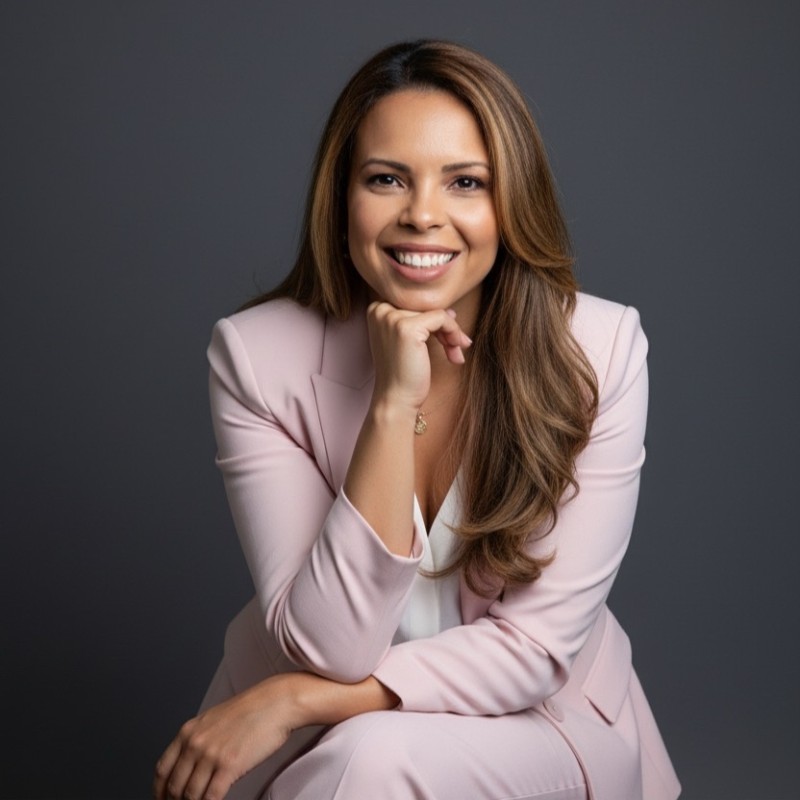
Raquel Baron works at a scale where a single planning decision can ripple across thousands of stores and multiple brands. At L’Oréal USA, her scope includes logistics performance, launch execution, catalog and master data health, and the planning cadence that keeps the system stable. She has progressed through roles in Brazil and the United States, which adds a cross-market view to how she structures teams and processes.
She represents a modern version of supply chain leadership in beauty. It is grounded in operational metrics, but it also cares about information quality, system discipline, and the ability to turn data into decisions people trust.
Luc Reynaert, Chief Product Supply Officer, Procter and Gamble
Builds product supply systems that move faster without losing reliability—engineering-led scale and standard work.

Luc Reynaert leads product supply at one of the largest consumer goods networks in the world, which makes his relevance to cosmetics clear even beyond beauty-specific brands. His career at Procter and Gamble has been built inside manufacturing, engineering, planning, and purchasing, which gives him a full-stack view of how supply is designed and improved.
He is often associated with supply innovation and the discipline of building systems that move faster while staying reliable. That includes automation, digitization, and the kind of standard work that allows teams to handle complexity without losing control.
Ready to Scale Your Beauty Brand’s Logistics?
Book a Demo now and discover how ClickPost can help you meet demand, improve efficiency, and elevate your brand's post purchase customer experience!
Closing thoughts on directories for the cosmetic supply chain
Cosmetics supply chains look glamorous from the outside, but the real work is quieter. It is the work of protecting quality, keeping launches honest, and building a network that can handle volatility without breaking trust. This directory brings together leaders who do that work in different ways, from brand-level planning to enterprise-scale supply innovation, and it shows why supply chain has become one of the most decisive functions in beauty.
-------------------------------------------------------------------------------------
Disclaimer: This list was compiled through an independent editorial review aimed at highlighting the key leaders currently shaping the U.S. cosmetics and beauty supply chain. The evaluation criteria included innovation in cold-chain logistics, leadership in sustainable packaging, digital transformation in inventory management, and measurable influence on speed-to-market for trend-driven launches. This compilation is illustrative rather than exhaustive and is not intended as a formal ranking. All insights are based on publicly available data and industry analysis at the time of publication. No commercial affiliations, sponsorships, or endorsements influenced the selection of these individuals.
About the Review: We conducted this review to identify the individuals who aren't just managing SKU complexity, but are actively redesigning how beauty moves. Our team analyzed over 100 profiles across global legacy houses, "clean beauty" pioneers, and high-growth DTC brands to select 25 leaders who represent the gold standard in modern cosmetics operations.