.png?width=193&height=27&name=ClickPost%20Logo%20(Blue).png)
.svg)
.svg)
.svg)
.svg)
.svg)
.svg)
.svg)
.svg)
.svg)


.svg)

.svg)
.svg)
.svg)
.svg)


.svg)
.svg)
.webp?width=286&height=206&name=ROI%20Calculator%20(1).webp)
.svg)
.svg)

.svg)

.webp?width=286&height=206&name=RTO%20Playbook%20(1).webp)

In this blog
TL/DR Summary
This post highlights 25 supply chain leaders influencing how footwear moves through US networks, from global sourcing and manufacturing to distribution operations and omnichannel fulfillment. The list spans major brands, specialty retailers, and portfolio companies, offering a realistic view of what operational leadership looks like in a category built on seasonality and long lead times.
-
The best footwear supply chains treat inventory as a timed bet, not a static asset.
-
Planning maturity (forecasting, S&OP/IBP, allocation discipline) is often the fastest path to better service and fewer markdowns.
-
Distribution performance is a competitive advantage at scale, especially as eCommerce order profiles continue to shift.
-
Resilience now includes sourcing redundancy, rigorous customs and compliance, and network flexibility when policy changes.
-
Automation and systems adoption matter most when they improve everyday decision-making and reduce manual work.
If you are evaluating leaders or building a modern footwear operation, look past job titles. Focus on the operating systems they create, the trade-offs they make under pressure, and the metrics they are willing to own.
US footwear supply chain directories are becoming a working tool for anyone trying to understand how US footwear brands actually operate.
The U.S. Footwear Market is positioned as the largest revenue-generating footwear market globally. In 2025, the market is expected to generate US$103.00 billion in revenue. Based on this outlook, the market is projected to experience strong growth, with revenue expected to grow annually at a 4.93% CAGR (2025–2030). It will lead to a projected revenue of approximately US$130.95 billion by 2030.
Introduction
The market is expected to keep expanding through the second half of the decade, and growth tends to reward companies that get the unglamorous parts right. These parts include planning discipline, reliable sourcing, clean handoffs from factory to distribution center, and fast, accurate fulfillment across stores and eCommerce.
The catch is risk. Footwear remains heavily import-driven, lead times are long, and policy shifts can reprice a season overnight. That is why the most effective supply chain leaders in footwear do a lot more than just “run logistics.” They build decision systems that protect margin while keeping service steady.
Key highlights
-
In footwear, inventory is beyond just a static asset. It is a perishable bet that expires every time demand shifts or a silhouette cools.
-
US brands are moving from single-threaded sourcing strategies to multi-country networks, primarily to reduce tariff exposure and lead-time volatility.
-
Fit accuracy and returns management are now a part of supply chain conversations because they materially affect costs and capacity.
-
Sustainability claims are becoming harder to substantiate without proof, which is pulling procurement, materials, and compliance closer together.
-
Omnichannel fulfillment is forcing a more realistic view of network design: stores, wholesale, and direct-to-consumer do not want the same service model.
Top 25 supply chain leaders in the US footwear industry
Supply chain leaders are at the center of complex networks. These networks are factories, material suppliers, freight partners, distribution operations, and demand planning teams that have to call the season before the season arrives.
Below, we discuss the 25 top supply chain leaders in the US footwear industry who have built credibility in the roles. We also explain why their work matters in a category where mistakes show up as markdowns.
|
Leader |
Company |
Current role |
Core supply chain domain |
What they are known for |
|
Nike |
VP, Footwear Supply Chain |
Manufacturing, sourcing, and product integrity |
Scaling global footwear operations and partner execution across countries |
|
|
New Balance |
VP, Global Planning & Operations |
Demand, inventory, and supply planning |
Building planning rigor and improving service levels through disciplined forecasting |
|
|
Crocs |
EVP & Chief Supply Chain Officer |
Sourcing, distribution, logistics |
Running global fulfillment and logistics to support high-volume, multi-channel growth |
|
|
Steve Madden |
Director of Supply Chain |
Distribution, 3PL, warehousing |
Practical execution in DC operations, transportation, and vendor performance |
|
|
Wolverine Worldwide |
Chief Supply Chain Officer |
Sourcing, logistics, integrated planning |
Using the supply chain as a transformation lever across a multi-brand portfolio |
|
|
Caleres |
Chief Sourcing & Supply Chain Officer |
Product development, sourcing, logistics |
End-to-end control from product creation through North American distribution |
|
|
Weyco Group |
VP, Supply Chain |
Purchasing, procurement |
Vendor negotiation and purchasing discipline across diverse footwear lines |
|
|
Rocky Brands |
VP, Supply Chain Planning |
Planning and forecasting |
Improving demand signal and inventory decisions for functional footwear categories |
|
|
Deckers Brands |
Chief Supply Chain Officer |
Global operations and strategy |
Scaling supply chain for high-growth brands while improving resilience |
|
|
NOBULL |
Chief Supply Chain Officer |
Procurement and operations |
Building repeatable processes for fast-moving DTC growth |
|
|
Under Armour |
VP, Americas Supply Chain |
End-to-end execution |
Protecting service levels while balancing wholesale and DTC requirements |
|
|
Brooks Running |
SVP, Supply Chain Operations |
Sourcing through distribution |
Transformation tied to measurable outcomes like OTIF and inventory turns |
|
|
Foot Locker |
SVP & Chief Supply Chain Officer, North America |
Omnichannel fulfillment |
Using inventory visibility and network discipline to support store + digital execution |
|
|
Red Wing Shoe Co. |
VP & Chief Supply Chain Officer |
Manufacturing operations |
Plant-driven operational rigor that improves reliability from production to fulfillment |
|
|
Skechers |
VP & GM, North American Distribution Ops |
Distribution and logistics |
Distribution turnarounds and measurable efficiency gains at scale |
|
|
Vans |
VP, Supply Chain |
Strategy, footprint, execution |
Translating brand demand into executable supply across changing channel needs |
|
|
Cole Haan |
Chief Supply Chain Officer |
End-to-end supply chain leadership |
Long-tenured operational leadership through multiple sourcing and channel cycles |
|
|
Swiss Global Brands |
VP of Operations |
DC scaling and systems |
Facility expansion plus ERP/WMS execution to support growth and accuracy |
|
|
Columbia Sportswear |
Chief Supply Chain Officer |
Sourcing through fulfillment |
Data-driven planning improvements and crisis-ready decision support for leaders |
|
|
Reebok |
Head of Supply Chain Management |
Supply planning and allocations |
Steady operating rhythm across planning, allocations, and product flow |
|
|
adidas (North America) |
SVP, Supply Chain Management NAM |
Planning and transformation |
Operationalizing resilience, process improvement, and modern planning practices |
|
|
L.L.Bean |
Chief Supply Chain Officer |
Inventory and systems |
Systems-led inventory discipline and long-term operational reliability |
|
|
PUMA (Americas) |
SVP, Logistics & Supply Chain Ops |
Automation and fulfillment |
Tech-enabled distribution modernization for speed, capacity, and sustainability |
Luis Nava - VP, Footwear Supply Chain @Nike
Leads Nike's global footwear supply chain, balancing innovation, speed, and operational rigor across complex manufacturing networks.


Luis Nava oversees footwear supply chain leadership at Nike, with a footprint spanning manufacturing, sourcing, and the operational mechanics that turn design intent into product on shelves. After more than two decades in operations and supply chain roles, he has become known for building teams that can execute at scale without sacrificing quality, cost, or service.
What stands out in Nava’s scope is the breadth. He manages factory partner collaboration, product integrity, manufacturing engineering, and the customized supply chain behind Nike By You. It is a mix that forces trade-offs every day. Speed and innovation matter, but so do compliance, yield, and consistency across geographies.
Gabriella Wortmann - VP, Global Planning & Operations @New Balance
A global planning leader ensuring inventory stability and on-time product availability amid sourcing complexities.

Gabriella Wortmann has built a long, steady career at New Balance, rising to a role at the intersection of demand, inventory, and supply planning. Her leadership is rooted in the planning disciplines that keep footwear businesses stable. It involves getting forecasts close enough to buy correctly, keeping inventory healthy, and protecting service levels when supply gets tight.
Her experience is unusually global for a planning executive. Managing teams across Asia and leading a sourcing office in Hong Kong have given her firsthand experience with the real constraints of the category. These constraints are supplier capacity, material availability, lead-time compression, and the cost of missed commitments. That kind of work rarely gets public attention, but in the footwear industry, it often makes the difference between growth and discounting.
Frank Smigelski - EVP & Chief Supply Chain Officer @Crocs
Mastering global logistics and distribution to handle Crocs' demand spikes, partnerships, and multi-channel fulfillment.

Frank Smigelski leads the global supply chain and logistics operations for Crocs. The brand has to manage demand spikes, fast-moving collaborations, and a channel mix that includes both wholesale and direct-to-consumer. His background signals an operator who understands the scale of sourcing, distribution, logistics, and the practical realities of fulfilling products globally.
At Crocs, he has moved through leadership roles that touch the core levers of performance. These involve distribution operations, logistics execution, and customer-facing service outcomes. In a brand that sells in many countries and across different retail models, his focus on distribution and sourcing discipline is central to protecting both service and margin.
Joseph Campbell - Director of Supply Chain @Steve Madden
Transforms footwear distribution into a disciplined operation with precise logistics execution across a high-SKU, seasonal landscape.

Joseph Campbell leads supply chain at Steve Madden with a profile built on deep distribution and logistics experience. His career reflects the operational side of the fashion and footwear industry. His contribution involves contract negotiation, third-party logistics management, warehouse execution, and the systems work that enable repeatable fulfillment.
In footwear, distribution is rarely “set and forget.” SKU counts are high, seasonality is sharp, and wholesale partners expect predictable delivery windows. Campbell’s background suggests a leader who understands how to run a DC like a business unit, involving labor planning, pick-pack accuracy, transportation performance, and vendor coordination.
Bishu Jayaram - Worldwide Chief Supply Chain Officer @Wolverine
Guides global sourcing and logistics across Wolverine’s diverse brand portfolio, ensuring speed, quality, and resilience.
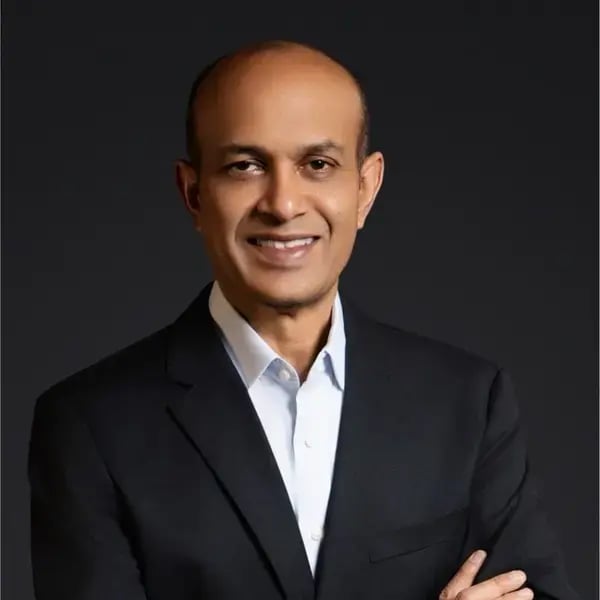
Bishu Jayaram stepped into a top supply chain role at Wolverine Worldwide at a time when legacy brands are being pushed to modernize. Wolverine runs a portfolio business, which adds complexity of multiple brand strategies, different channel mixes, and varied product calendars. Interestingly, all these draw from shared sourcing and logistics capabilities.
Jayaram’s background across global sourcing and leadership roles at other large footwear and apparel organizations points to an executive fluent in supplier networks and materials strategy. That matters in footwear because sourcing is not merely about cost. It is also capability, lead time, quality, and resilience when disruption hits. In portfolio footwear, disciplined operations often decide which brands gain momentum.
Dan Friedman - Chief Sourcing & Supply Chain Officer @Caleres
Brings end-to-end visibility to Caleres' footwear supply chain, aligning sourcing, production, and seasonal distribution goals.
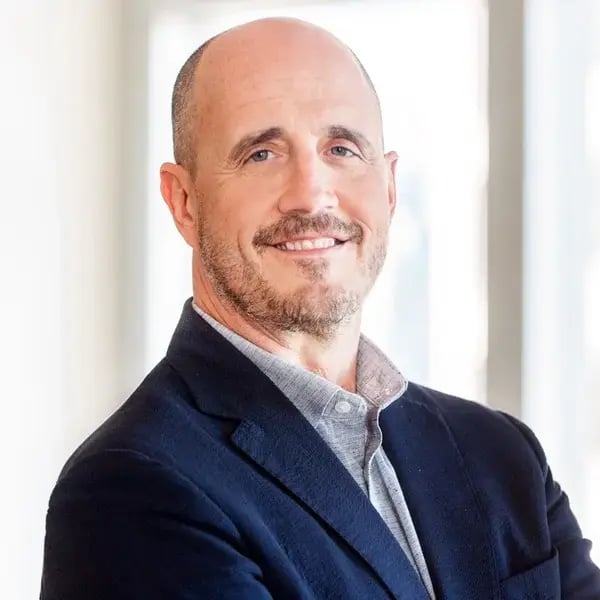
Dan Friedman brings an end-to-end supply chain view at Caleres. His role spans product development, sourcing, and the logistics network that supports distribution across North America. That blend is vital in footwear because decisions made early, at the product and supplier level, shape cost and service long before freight moves.
Caleres operates across multiple brands and business models, which forces clarity on priorities: what to manufacture, where to source, how to balance wholesale commitments with direct demand, and how to keep distribution centers aligned with seasonal peaks. Friedman’s career has been built inside that complexity.
Allison Woss - VP, Supply Chain @Weyco Group
Expert in footwear purchasing and supplier negotiations, driving cost and availability controls across a diverse product range.

Allison Woss has grown within Weyco Group through purchasing and supply chain roles that sit close to the company’s commercial reality. Weyco’s brands cover dress shoes, casual lines, and outdoor footwear. Each of these has different demand patterns and different tolerance for stock-outs or overbuying.
Woss’s career progression through purchasing leadership signals expertise in supplier negotiation, contract discipline, and assortment support. In footwear, purchasing is a supply chain function with real influence. It controls cost, availability, and often the timing of when a product can enter the distribution network. The purchasing discipline that Woss brings provides a competitive advantage by reducing surprises and protecting working capital.
Michael Harper - VP, Supply Chain Planning @Rocky Brands
Leads supply chain planning for Rocky Brands, ensuring accurate forecasting and seamless inventory flow in functional footwear.

Michael Harper leads supply chain planning at Rocky Brands. It is a business that operates in categories where reliability matters, offering work footwear, western styles, and outdoor boots. Planning in those segments is about much more than fashion cycles. It is also about demand tied to industry, climate, and regional buying behavior.
Harper’s experience across supply chain operations and planning suggests a leader focused on forecasting, supply allocation, and the tools that create visibility. Harper’s work centers on creating a better signal from sales data, wholesale demand, and channel performance, then translating that into buys and replenishment. In a business built on functional footwear, those decisions directly affect service levels and cash flow.
Angela Salanoa Ogbechie - Chief Supply Chain Officer @Deckers Brands
Empowers Deckers' footwear portfolio by scaling operations while balancing peak-driven demand with cost discipline.

Angela Salanoa Ogbechie leads the supply chain at Deckers Brands, the company behind brands with very different demand curves and operational needs, including UGG and HOKA. Deckers has to manage peak-driven seasonal demand, product launches, and global distribution while keeping quality and customer experience consistent.
Her long tenure at Deckers, combined with experience in continuous improvement and strategy, suggests depth that goes beyond execution. Ogbechie’s influence is likely felt in how Deckers scales. Growth brands in footwear strain systems quickly. When the supply chain can keep up with demand while maintaining service and cost discipline, it becomes a multiplier. That is what separates a fast-growing brand from one that burns out on its own success.
Tom Conneen - Chief Supply Chain Officer @NOBULL
Builds robust DTC supply chains for NOBULL, ensuring fast reaction times and steady inventory management.

Tom Conneen brings a procurement- and operations-heavy background to a chief supply chain role at NOBULL. It is a brand that has grown by leaning into direct-to-consumer. DTC footwear requires a specific kind of supply chain thinking. It requires tighter demand sensing, faster reaction loops, and a network that can handle returns without distorting inventory levels.
Conneen has led large procurement organizations and built operational teams across regions, which signals comfort with scale and with negotiation. Conneen’s value is in creating repeatable processes that keep cost and service stable as product lines expand. That kind of operating discipline is what turns a brand moment into a durable business.
Amy Jendras - VP, Americas Supply Chain @Under Armour
Steers Under Armour's footwear supply chain, ensuring consistent service levels and tight coordination across retail and DTC channels.

Amy Jendras leads America’s supply chain at Under Armour, a brand that sits at the intersection of performance product and lifestyle demand. The operational challenge is balancing wholesale partner commitments with direct-to-consumer expectations, while managing seasonality and promotional cycles.
Her role implies ownership of end-to-end execution. It involves service outcomes, operational performance, and cross-functional alignment with commercial teams. In practice, that often means managing supply constraints, monitoring key performance indicators, and resolving issues that arise in distribution and transportation before customers feel them. Leaders like Jendras are typically evaluated on how well they protect the customer experience through stable fulfillment, accurate inventory positioning, and disciplined planning.
Christophe Mahaut - Brooks Running SVP, Supply Chain Operations
Transforms Brooks Running's global operations, maintaining reliability and agility to meet the brand's performance-driven demand.

Christophe Mahaut runs global supply chain operations at Brooks Running with a mandate that covers the full operating stack. This stack involves sourcing, manufacturing, planning, logistics, distribution, and compliance. Brooks has scaled in a market where consumer loyalty is tied to product performance and availability, especially in running.
His leadership profile is defined by transformation work. Mahaut’s value is in building a supply chain that can scale revenue without sacrificing service. That includes using integrated business planning, modern execution systems, and a distribution network that can handle surges. For a performance brand, the supply chain has to be as reliable as the product itself.
Kristin Bauer - SVP & Chief Supply Chain Officer, North America @Foot Locker
Leads North America’s footwear supply chain at Foot Locker, optimizing omnichannel fulfillment across distribution and store networks.
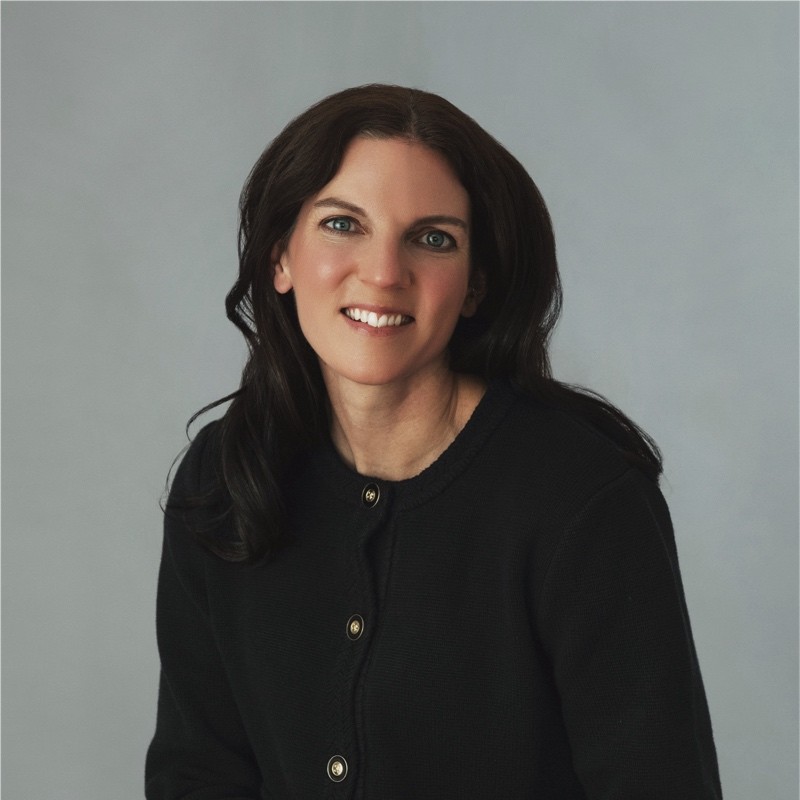
Kristin Bauer leads the supply chain for Foot Locker in North America. That puts her in a different seat than most brand-side leaders. Foot Locker is a retailer with a large store footprint and a digital channel that increasingly expects fast delivery and accurate inventory. That requires tight coordination between distribution, stores, and vendor operations.
Her background across major retailers suggests deep experience in logistics strategy, analytics, and scaling distribution operations. Bauer’s work centers on enabling omnichannel fulfillment in an operationally realistic way. That means better inventory accuracy, more responsive distribution planning, and smarter use of store inventory for online orders. Retail supply chain leadership is unforgiving, and her role sits at the center of Foot Locker’s transformation.
Joel Watson - Red Wing Shoe Co. VP & Chief Supply Chain Officer
A manufacturing operations expert, driving supply chain performance with strong problem-solving across Red Wing's footwear operations.

Joel Watson leads supply chain at Red Wing Shoe Co. with a background that is grounded in manufacturing operations, not just planning theory. Before taking the chief supply chain role, he spent years running plants and managing production environments where output, quality, safety, and throughput are daily constraints. That kind of foundation matters in footwear, especially in categories like work boots, where durability expectations are high, and failure rates are costly.
At Red Wing, Watson’s progression from operations leadership to the top supply chain seat signals a practical approach to performance. His experience in plant management also tends to translate into stronger problem framing. When something breaks in the network, leaders with manufacturing depth can trace it back to root causes faster.
Tim May - VP & GM, North American Distribution Ops @Skechers
Optimizes Skechers' distribution operations to meet high-volume demand with improved cycle times and reduced backorders.

Tim May runs North American distribution operations at Skechers, one of the most prominent footwear players in the US by volume and reach. Distribution is where big footwear brands either prove their competence or expose their gaps. It is also where small inefficiencies become high costs, because scale amplifies every mispick, missed cutoff, and labor constraint.
May’s track record is built around operational turnarounds and measurable performance improvement. It involves cutting cycle time, reducing backorders, and bringing labor and expense under control without degrading service. Those outcomes point to an operator who treats a distribution network as a profit lever rather than a cost center.
Joe Raines - VP, Supply Chain @Vans
A practical leader in Vans' footwear supply chain, balancing demand volatility with efficient fulfillment and optimized inventory levels.
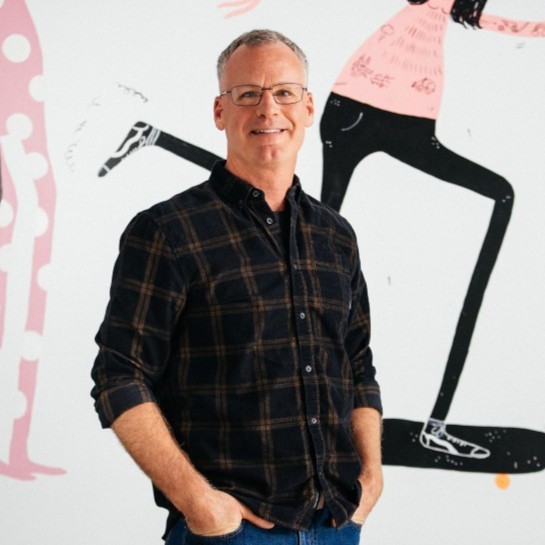
Joe Raines has led supply chain work at Vans and other footwear and apparel organizations, earning a reputation for building practical solutions rather than chasing abstract transformation. Vans operates inside VF’s broader ecosystem, which means supply chain leadership has to work across shared platforms, sourcing networks, and distribution models while still protecting the unique needs of the brand.
Raines’s experience across different business models shows in how he frames the job. Footwear supply chains are not one-size-fits-all. A workwear network, a lifestyle sneaker network, and a team-sports network behave differently under stress. Raines’ value lies in translating demand into executable supply and maintaining consistent fulfillment across channels without inflating inventory.
Tom Wolff - Chief Supply Chain Officer @Cole Haan
Leverages decades of supply chain expertise to navigate the complexities of Cole Haan’s footwear operations in an evolving market.

Tom Wolff has spent nearly three decades in Cole Haan’s supply chain. It is a rare level of continuity in a category that has undergone repeated shifts in sourcing strategy, channel mix, and consumer expectations. That length of tenure usually signals two things: deep institutional knowledge and the ability to adapt as the business model evolves.
Cole Haan sits in a space where product quality and brand promise matter, but operational efficiency across wholesale and direct-to-consumer channels also matters. The most useful way to read Wolff’s profile is as a long-running operator who has likely seen multiple cycles. These cycles involve expansion, demand shocks, cost pressures, and channel rebalancing. Leaders with that history tend to be strong at risk management because they have experienced what happens when the network is too brittle.
Joseph Guido - VP of Operations @Swiss Global Brands
Runs operations at Swiss Global Brands, integrating logistics, quality control, and customer service for efficient footwear fulfillment.
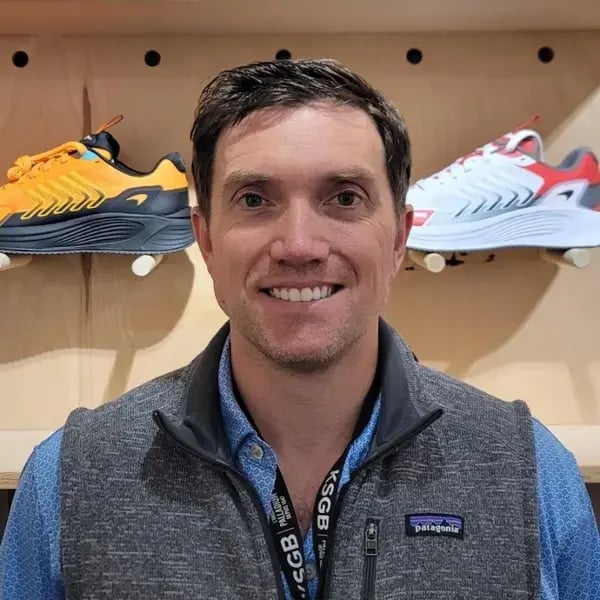
Joseph Guido leads operations at Swiss Global Brands with a profile that combines distribution execution, systems work, and hands-on facility scaling. That combination is a strong fit for a footwear business that has to manage both brand expectations and the realities of fulfillment economics. Running operations at this level is rarely about one function. It is about coordinating logistics, quality control, customer service, and technology so the business can grow without breaking.
Guido’s experience includes building and running large facilities and leading enterprise system implementations, from ERP rollouts to warehouse management and eCommerce platforms. In footwear and accessories, those decisions directly shape speed, accuracy, and cost-to-serve, especially when order profiles shift toward smaller, more frequent direct-to-consumer shipments.
Lisa Kulok - Chief Supply Chain Officer @Columbia Sportswear
Guides Columbia’s global footwear supply chain through seasonal demand fluctuations, ensuring consistency and quality across multiple channels.

Lisa Kulok leads supply chain at Columbia Sportswear with a scope that extends from global sourcing and manufacturing through planning, inventory, and customer-facing fulfillment. Columbia’s footwear business has a larger outdoor portfolio, making supply chain leadership both broader and more complex. The network has to support multiple product types and seasonal demand patterns while maintaining consistent service.
Kulok’s profile is defined by transformation work tied to measurable performance. What makes her role especially relevant to footwear is the mix of disruption risk and seasonality. Tariffs, lead-time shifts, and demand swings can quickly turn inventory into a liability. Leaders who can advise the CEO and the board during those moments are doing more than supply chain management. They are running a risk-and-decision system.
Ron Adjami - Head of Supply Chain Management @Reebok
Oversees Reebok’s supply chain, focusing on global planning, allocations, and logistics to maintain service levels and mitigate disruptions.

Ron Adjami has led supply chain management at Reebok for decades, which places him among the rare long-tenured operators in a brand that has shifted ownership structures, go-to-market priorities, and category emphasis over time. In footwear, that kind of continuity can be an advantage because it preserves operational memory: what has worked, what has failed, and where hidden constraints live.
His remit covers the planning and operations side of supply chain performance. It involves supply planning, allocations, purchasing, logistics coordination, and process work that keeps product moving predictably. Those functions matter in a brand with global distribution and a fitness heritage that depends on availability and consistency.
James Furlong - SVP, Supply Chain Management @Adidas (North America)
Leads Adidas North America’s footwear supply chain, improving lead times, fulfillment accuracy, and operational efficiency.
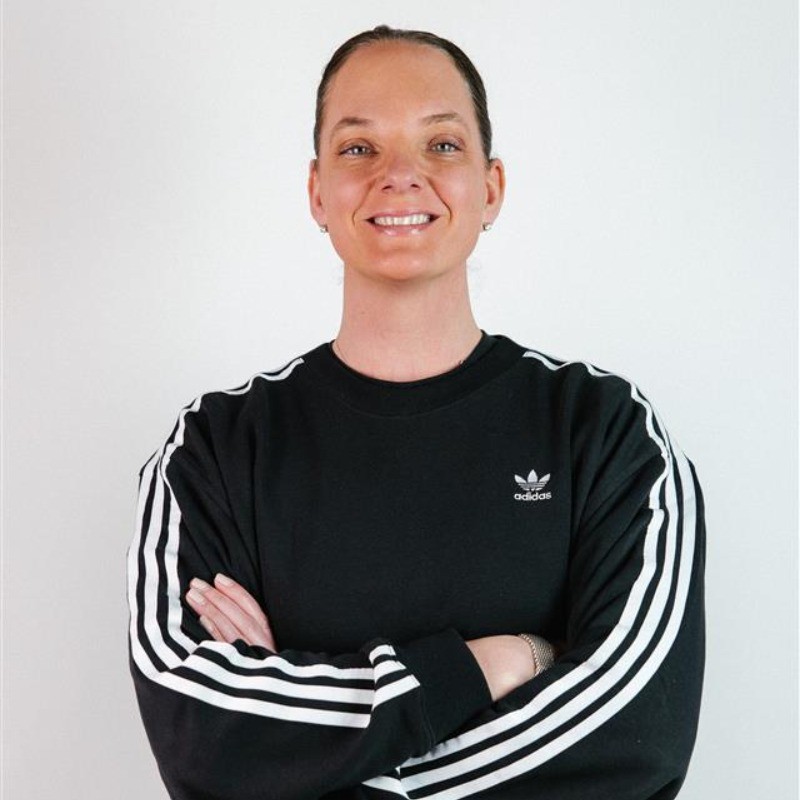
James Furlong leads supply chain management for Adidas in North America, with a career spanning planning, operations, and large-scale transformation. Adidas runs one of the most demanding footwear supply chains in the market: high SKU complexity, frequent product drops, multi-channel fulfillment, and constant pressure to reduce lead times without losing cost control.
Furlong’s background indicates strengths in business continuity, process improvement, and program execution. Those skills matter because big supply chains change slowly unless someone can push them through disciplined projects that deliver real outcomes, not slide decks. Furlong’s value lies in operationalizing strategy. He helps turn planning and network decisions into repeatable execution across teams, systems, and partners.
Kirsten Piacentini - Chief Supply Chain Officer @L.L.Bean
Manages L.L.Bean's supply chain with a technology-first approach, improving inventory visibility and operational efficiency across footwear lines.

Kirsten Piacentini leads supply chain at L.L.Bean, with a career that began in technology and evolved into leadership in enterprise inventory and operations. That arc matters because modern supply chains are increasingly software-defined. Inventory visibility, planning accuracy, and system discipline often separate reliable execution from expensive firefighting. Piacentini’s background includes leadership in information systems, inventory management, and long-term operational responsibility across a business that sells through multiple channels and manages strong seasonal demand.
L.L.Bean’s footwear and outdoor product lines put pressure on availability and sizing accuracy, especially around peak seasons. Leaders who have lived on the technology side of the business tend to be more realistic about what systems can do, where data breaks down, and how to drive adoption.
Helmut Leibbrandt - SVP, Logistics & Supply Chain Ops. @PUMA (Americas)
Modernizes PUMA’s supply chain operations, implementing automation and scaling fulfillment to meet rising DTC and eCommerce demands.

Helmut Leibbrandt has been a central figure in PUMA’s supply chain evolution in the Americas. He brings decades of operational leadership and a clear focus on automation and network modernization. PUMA’s growth in eCommerce and direct-to-consumer has increased the demands on distribution speed, order accuracy, and peak handling. Leibbrandt’s work has been aimed at building capacity without simply adding labor and square footage.
He is closely associated with technology-driven fulfillment changes, including warehouse automation and systems upgrades designed to support higher throughput and faster shipping. That matters because footwear is bulky, SKU-heavy, and sensitive to pick accuracy. When volumes spike, manual processes fail quickly. His value is the ability to modernize operations while keeping service stable. In a market where customer expectations keep rising, achieving that balance is hard.
If your brand is ready to modernise logistics and turn post-purchase into a competitive edge:
👉 Get a personalised ClickPost demo and see what next-gen logistics looks like.
Final thoughts: Why these leaders matter now
US footwear is entering a period where growth will reward execution more than narrative. Brands and retailers will still compete on product, but the supply chain will decide who protects margin, who keeps service steady, and who avoids being trapped by old assumptions.
The leaders in this directory represent different playbooks, but the common thread is discipline. Discipline involves clearer planning signals, more resilient sourcing, smarter network design, and operations that can handle real-world volatility. If you are benchmarking your own organization, the point is not to copy titles or org charts. It is to study the decisions that led to the results.
Disclaimer: This list was compiled through an independent editorial review aimed at highlighting the key leaders currently shaping the U.S. footwear supply chain. The evaluation criteria included innovation in manufacturing automation, leadership in sustainable leather and textile sourcing, digital transformation in demand sensing for drop-culture launches, and measurable influence on multi-channel distribution efficiency. This compilation is illustrative rather than exhaustive and is not intended as a formal ranking. All insights are based on publicly available data and industry analysis at the time of publication. No commercial affiliations, sponsorships, or endorsements influenced the selection of these individuals.
About the Review: We conducted this review to identify the individuals who aren't just managing boxes, but are actively redesigning how footwear moves. Our team analyzed over 100 profiles across heritage shoemakers, sneaker icons, and innovative startup brands to select 25 leaders who represent the gold standard in footwear supply chain strategy.