.png?width=193&height=27&name=ClickPost%20Logo%20(Blue).png)
.svg)
.svg)
.svg)
.svg)
.svg)
.svg)
.svg)
.svg)
.svg)


.svg)
.svg)
.svg)
.svg)
.svg)


.svg)
.svg)
.webp?width=286&height=206&name=ROI%20Calculator%20(1).webp)
.svg)
.svg)

.svg)

.webp?width=286&height=206&name=RTO%20Playbook%20(1).webp)

In this blog
TL;DR Summary
Food and beverage brands in 2026 are operating in a market where dollar growth is real, but volume is tougher, and supply chain choices decide whether that growth becomes profit or just motion. This directory highlights leaders across legacy CPG giants and fast-scaling challengers who are shaping how products are sourced, made, and delivered.
Key takeaways
-
A strong Food & Beverage supply chain is now measured by repeatability, not big promises: service, cost, and recovery speed.
-
Cold chain, shelf life, and quality systems remain the quiet backbone behind brand trust.
-
Growth brands win when they build partner discipline (co-manufacturers, 3PLs, carriers) early, before complexity compounds.
-
The most practical digital work is not dashboards. It is faster, with better planning decisions that reduce inventory drag.
-
Customer expectations are tightening, so the best leaders keep the supply chain tied to commercial reality, not internal convenience.
If you are building or benchmarking a Food & Beverage operation, use this directory as a map of what “good” looks like across different scales and business models. You can also use it as a reminder that in this category, execution is strategy.
Introduction
Directories for the food & beverage supply chain are no longer simple lists of executives. In an industry where margins are thin, regulations are strict, and you can lose consumer trust overnight, supply chain leadership has become the quiet backbone of brand survival.
From cereals and snacks to beverages and plant-based foods, US food and beverage companies are navigating volatile input costs, retailer pressure, evolving nutrition demands, and sustainability scrutiny. It is navigating all of this while ensuring shelves stay stocked.
This directory highlights the leaders who sit at the center of that balancing act.
Key highlights: The US Food & Beverage Supply Chain Landscape
-
The US Food & Beverage market is projected to grow at a modest 2–4% in dollar terms through 2026, with price and mix driving growth more than volume.
-
Rising ingredient and packaging costs continue to reshape sourcing strategies, pushing companies toward dual sourcing and longer-term supplier contracts.
-
E-commerce and direct-to-consumer channels are forcing tighter demand planning and faster fulfillment cycles.
-
Sustainability is no longer optional. Traceability, waste reduction, and ethical sourcing now influence procurement decisions as much as cost.
-
Regulatory oversight (from FDA compliance to food safety audits) keeps supply chain leadership deeply involved in quality and risk management.
Top 25 supply chain leaders in the US food & beverage industry
These leaders are shaping how food and beverage products are sourced, produced, and delivered across the United States. Each profile reflects a distinct operating reality, but all share accountability for resilience, compliance, and scale.
|
Name |
Job Title |
Company |
Supply chain focus |
What makes them stand out |
|
Chief Supply Chain Officer |
WK Kellogg Co |
Plant performance, quality systems, and network reliability |
Operator-led modernization with deep quality and food safety grounding |
|
|
SVP Supply Chain (NA) |
Mars Wrigley |
Manufacturing + distribution execution, continuous improvement |
Lean discipline applied to high-volume confectionery networks |
|
|
Senior Director, Supply Chain |
Chomps |
Partner management, fulfillment, logistics scaling |
Builds repeatable processes across 3PLs and fast-growth channels |
|
|
Chief Supply Chain Officer |
Chobani |
Manufacturing, quality, end-to-end operations |
Plant-to-network leadership built through internal progression |
|
|
Head, End-to-End Supply Chain |
KIND Snacks |
Customer-facing supply chain, retailer execution |
Strong, large-retailer planning instincts without inventory bloat |
|
|
Chief Supply Chain Officer |
Califia Farms |
Sourcing + co-manufacturing + sustainability-aligned operations |
Scales complex supply chains for plant-based/functional categories |
|
|
VP Supply Chain (Planning/Procurement/Commercialization) |
Siete Foods |
Commercialization, contract manufacturing, innovation launches |
Turns launches into dependable execution across partners |
|
|
Chief Planning & Supply Chain Officer |
Liquid Death |
Planning, network alignment, beverage scale-up |
Connects brand strategy to planning and operational reality |
|
|
Chief Supply Chain Officer |
Celsius |
Global production, co-packing strategy, logistics |
Beverage-scale experience that protects service while guarding margin |
|
|
Director, Supply Chain & Customer Service |
Kodiak Cakes |
Order-to-cash flow, service levels, and planning discipline |
Brings process clarity and customer outcomes into supply chain design |
|
|
Chief Supply Chain Officer |
Impossible Foods |
Ingredient strategy, manufacturing scale, and sustainability |
Deep operations background suited to fermentation-linked constraints |
|
|
SVP Supply Chain |
OLIPOP PBC |
Beverage logistics, customer service, replenishment rhythm |
Strong fundamentals across planning, warehousing, and retail execution |
|
|
Chief Supply Chain Officer |
Amy’s Kitchen |
Integrated supply chain transformation, risk management |
Builds cohesion in complex organic sourcing and frozen networks |
|
|
SVP & Chief Supply Chain Officer |
The Hershey Company |
Global supply chain strategy, capacity, peak readiness |
Long-tenured leader with strong seasonal execution instincts |
|
|
Senior Vice President, Supply Chain |
Tyson Foods |
Logistics + procurement in protein/cold chain |
Walmart-scale leadership plus disciplined, team-first execution |
|
|
Head of Logistics, Supply Chain & Operations |
Magic Spoon |
3PL performance, ERP-backed operations, DTC + wholesale |
Builds the operating system that makes growth repeatable |
|
|
SVP of Supply Chain |
G FUEL |
Sourcing, inventory, scaling high-velocity launches |
Translates brand growth into procurement and distribution stability |
|
|
Head of Digital Supply Chain Transformation & Strategy |
Kraft Heinz |
AI/analytics-driven planning, visibility, and inventory reduction |
Modernizes decision-making with measurable working-capital outcomes |
|
|
Supply Chain Director |
McIlhenny Company (TABASCO) |
Planning + procurement for heritage brand with global reach |
Lean, practical execution mindset across manufacturing and logistics |
|
|
Vice President of Supply Chain |
Simple Mills |
Procurement, planning, customer logistics, and digital supply chain |
Balances flexibility and structure in better-for-you growth cycles |
|
|
Director of Supply Chain |
Perfect Snacks |
Procurement + inventory + lean process improvement |
Focuses on waste reduction, service protection, and process clarity |
|
|
SVP & CSCO (NA Beverages) |
PepsiCo |
Manufacturing + fleet + distribution + planning at scale |
Runs one of the most complex beverage networks with daily discipline |
|
|
President, Supply Chain and Customer Experience |
The Coca-Cola Company |
Commercialization + customer execution + supply network oversight |
Connects supply chain performance to customer experience outcomes |
Sherry Brice — Chief Supply Chain Officer, WK Kellogg Co
Leads operational reliability and quality systems to maintain scale amidst shifting input costs and consumer demand.

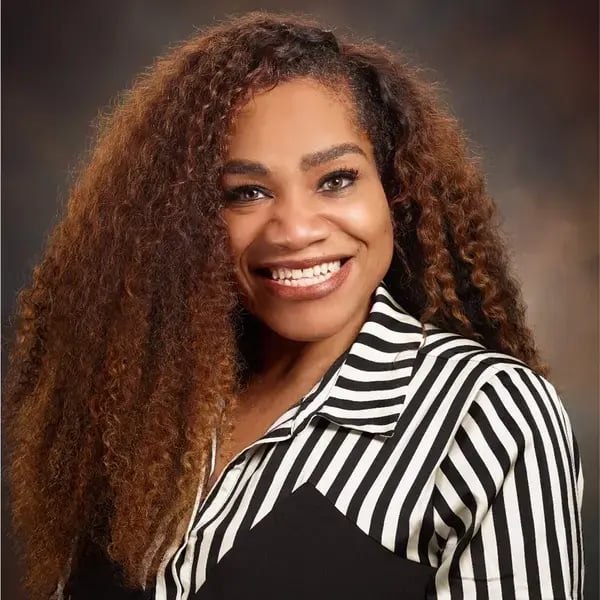
Sherry Brice leads the supply chain for WK Kellogg Co, the North America cereal business that emerged from the Kellogg split. Her remit is about reliability at scale, involving plant performance, quality systems, and the operational discipline required to keep everyday staples available even when input costs and consumer demand shift.
What stands out is the arc of her career inside large CPG systems. Coming in through the Pringles acquisition and moving through roles tied to plant leadership, quality, and food safety, she carries the kind of operator’s perspective that makes modernization feel grounded, not abstract.
Erik Owino — SVP Supply Chain, Mars Wrigley North America
Drives consistent performance through manufacturing, distribution, and lean methods to balance supply and service.
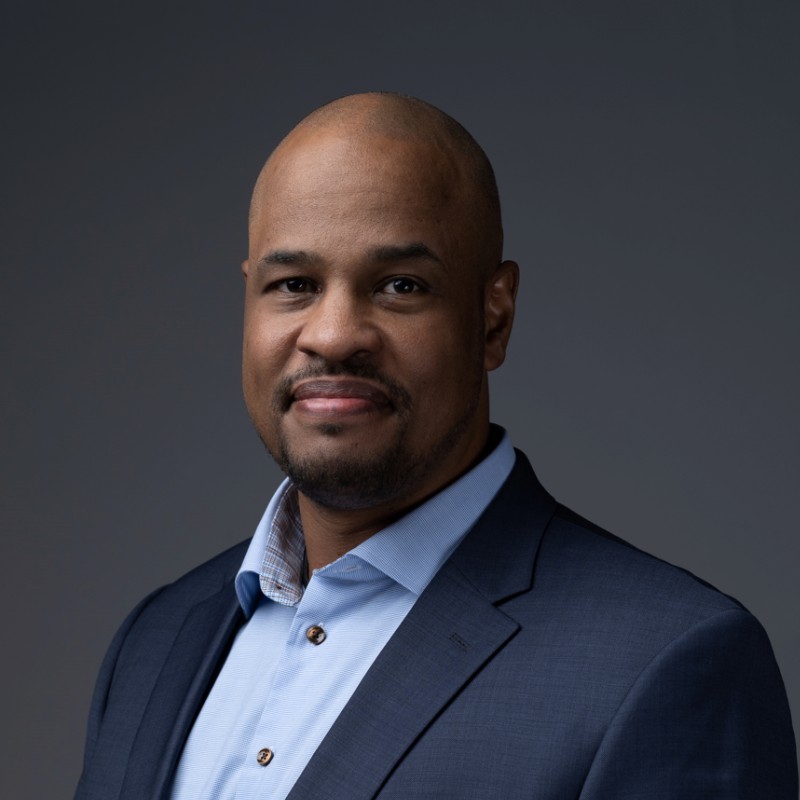
Erik Owino runs the supply chain for Mars Wrigley in North America, where confectionery scale collides with fast-moving retail expectations. His work typically spans manufacturing throughput, distribution execution, and the daily decisions that keep service strong without creating excess stock.
He is known for a continuous-improvement mindset. The organizations that perform well in this category are rarely “perfect,” but they are consistent. At the same time, his background in lean methods reflects that bias toward repeatable habits rather than heroic fixes.
Tom Backus — Senior Director, Supply Chain, Chomps
Manages high-growth snack brand operations by aligning co-manufacturers, 3PLs, and carriers for seamless execution.

Tom Backus leads supply chain at Chomps. It is a high-growth snack brand that lives in the tension between speed and control. For a company scaling distribution while protecting product integrity, the real work is in partner management. These partners are co-manufacturers, 3PLs, and carriers that must act as one system.
His experience across retail, CPG, and e-commerce shows up in the details around inventory control that does not choke cash, fulfillment processes that do not crumble during spikes, and vendor conversations that end with clear accountability.
Jason Blaisure — Chief Supply Chain Officer, Chobani
Combines plant-floor experience with strategic supply chain leadership to optimize capacity, sequencing, and continuous improvement.

Jason Blaisure leads the end-to-end supply chain at Chobani, where manufacturing, quality, and distribution are tightly coupled. His career has been built inside the company, moving from plant-floor leadership into broader operations and supply chain responsibility.
That internal climb matters in food manufacturing. Leaders who understand sanitation, regulatory expectations, and line realities tend to make better calls on capacity, sequencing, and continuous improvement. That is because they know what is feasible and what is just a slide.
Kellie Kesner — Head, End-to-End Supply Chain, KIND Snacks
Protects service levels and customer expectations across a complex supply chain for retail and club channels.
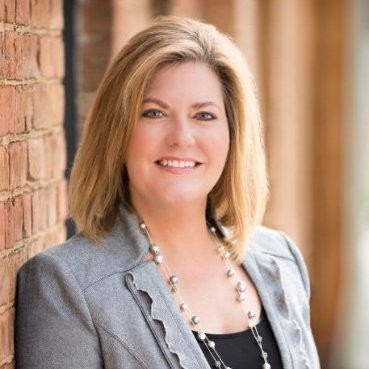
Kellie Kesner oversees KIND’s end-to-end supply chain, spanning sourcing through distribution. In a snacks business that sells through big retail and club channels, planning is inseparable from customer expectations, especially when a single retailer accounts for a large share of volume.
Her experience is rooted in customer-facing supply chain roles, including long stretches managing complex retail accounts. That background is practical. It teaches you how to protect service levels during disruptions without quietly inflating inventory or freight costs.
Cassandra Todd — Chief Supply Chain Officer, Califia Farms
Scales supply chain operations with a focus on sustainable sourcing and ingredient strategy in the plant-based sector.
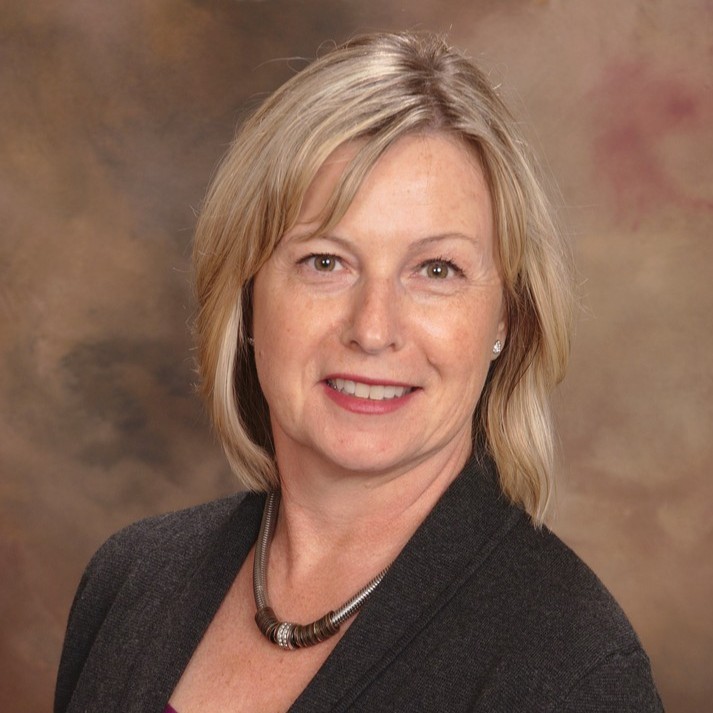
Cassandra Todd leads supply chain at Califia Farms, a brand sitting at the center of shifting consumer preferences. Some examples are plant-based, functional, and sustainability-driven products. For companies like this, ingredient strategy, co-manufacturing decisions, and packaging supply are part of the same conversation.
Her background across food and beverage operations is built around scaling: procurement discipline, sourcing that reflects brand values, and planning that avoids stockouts without overbuilding inventory. That combination is especially valuable when the category is growing, but demand signals are noisy.
Jenna Smith — VP of Supply Chain (Planning, Procurement, Commercialization), Siete Foods
Navigates growth and innovation by ensuring smooth handoffs across procurement, commercialization, and manufacturing.
Jenna Smith runs supply chain planning, procurement, and commercialization at Siete Foods. It is a brand that has scaled quickly and entered a new phase post-acquisition. Her work sits at the intersection of innovation and execution. It involves launching new items, aligning co-manufacturers, and keeping cost structure realistic.
Her experience in commercialization and contract manufacturing shows in how she approaches growth. In emerging F&B brands, the biggest failures are not about ideas; they are about handoffs. Her job is making those handoffs work repeatedly.
Andy Slater — Chief Planning & Supply Chain Officer, Liquid Death
Aligns brand strategy with operational execution, ensuring beverage growth is sustained without losing control.

Andy Slater leads planning and supply chain at Liquid Death, a brand built on marketing edge but sustained by operational muscle. Beverages look simple until you scale. But once you have your scale, aluminum supply, co-packing capacity, distribution reach, and retailer execution must remain in sync.
His profile reads like a connector role done well. The key contribution here is alignment. He works on making brand strategy, demand planning, and operational constraints speak the same language so growth does not turn into chaos.
Paul Storey — Chief Supply Chain Officer, Celsius
Scales global supply chain operations by applying industry-pattern recognition to maintain high service levels.

Paul Storey runs the global supply chain for Celsius, a fast-scaling beverage business where the network is the product. Managing production, procurement, and logistics at that pace means every capacity decision has a revenue impact.
His lengthy beverage background (across primary energy and soft drink ecosystems) matters because scaling without breaking requires pattern recognition. He works on finding answers to questions like when to lock contracts, when to diversify co-packers, and how to maintain high service without burning margin.
Katie Humphries — Director, Supply Chain & Customer Service, Kodiak Cakes
Leads supply chain execution to ensure customer satisfaction through in-stock reliability and fast issue resolution.

Katie Humphries leads supply chain and customer service at Kodiak Cakes, a role that requires translating brand demand into day-to-day execution. In many growth-stage food companies, customer experience is decided by in-stock performance and the speed of issue resolution.
Her earlier experience across planning and process roles shows up in how the work is structured. It involves ensuring clearer KPIs, cleaner handoffs, and tighter feedback loops between order management, logistics, and customer teams.
Rob Haas — Chief Supply Chain Officer, Impossible Foods
Integrates ingredient sourcing, process technology, and scale to optimize supply chain operations for plant-based products.
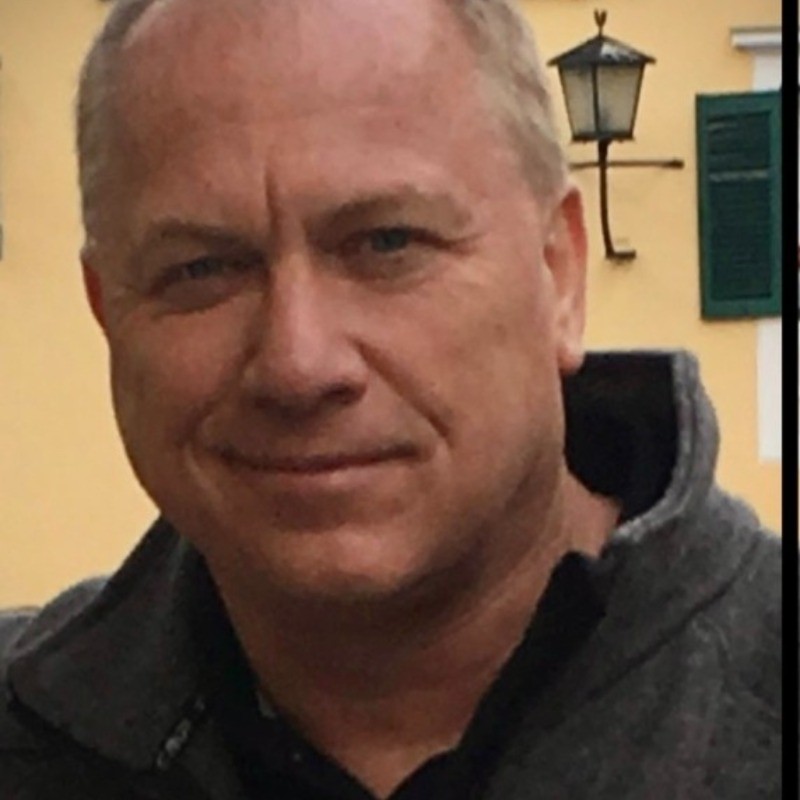
Rob Haas leads supply chain at Impossible Foods, where ingredients, process technology, and scale are intertwined. Plant-based supply chains add extra layers. Some examples are specialized inputs, fermentation-linked constraints, and heightened scrutiny around quality and sustainability.
He brings a long operations background in food and beverage, including building and scaling manufacturing capabilities. That experience becomes valuable when growth pressure collides with the reality of lead times, process stability, and supplier qualification.
George Scobell — Senior Vice President of Supply Chain, OLIPOP PBC
Ensures supply chain consistency and recovery in a high-velocity functional beverage market.
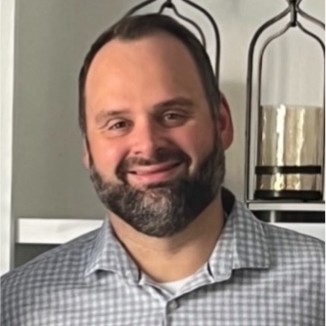
George Scobell runs supply chain at OLIPOP, a functional beverage business operating in a high-velocity retail environment. The job is often less glamorous than it sounds. It involves distribution rhythm, customer-facing service, and the discipline to keep inventory healthy while protecting fill rates.
His experience across large beverage systems shows in the fundamentals. Brands in this lane win when they can forecast well, execute production and replenishment consistently, and recover quickly from the disruptions that are normal in beverages.
Oksana Woloszczuk — Chief Supply Chain Officer, Amy’s Kitchen
Optimizes sourcing and manufacturing through integrated systems that minimize surprises in organic food production.
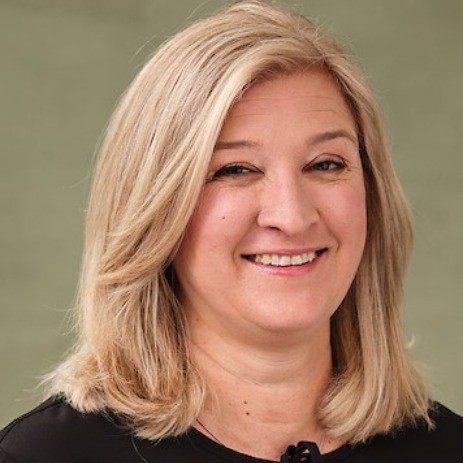
Oksana Woloszczuk leads supply chain at Amy’s Kitchen, where organic sourcing and complex manufacturing require tight coordination. Her mandate is often described as integration. It involves turning fragmented processes into a system that can plan, procure, and produce with fewer surprises.
She has held senior roles across major food manufacturers, including leadership of integrated supply chains. That depth matters in frozen and prepared foods, where the network touches farming, ingredient procurement, plant constraints, and cold chain distribution.
Jason Reiman — SVP & Chief Supply Chain Officer, The Hershey Company
Steers Hershey’s global supply chain, maintaining consistency and cost control across seasonal demand fluctuations.
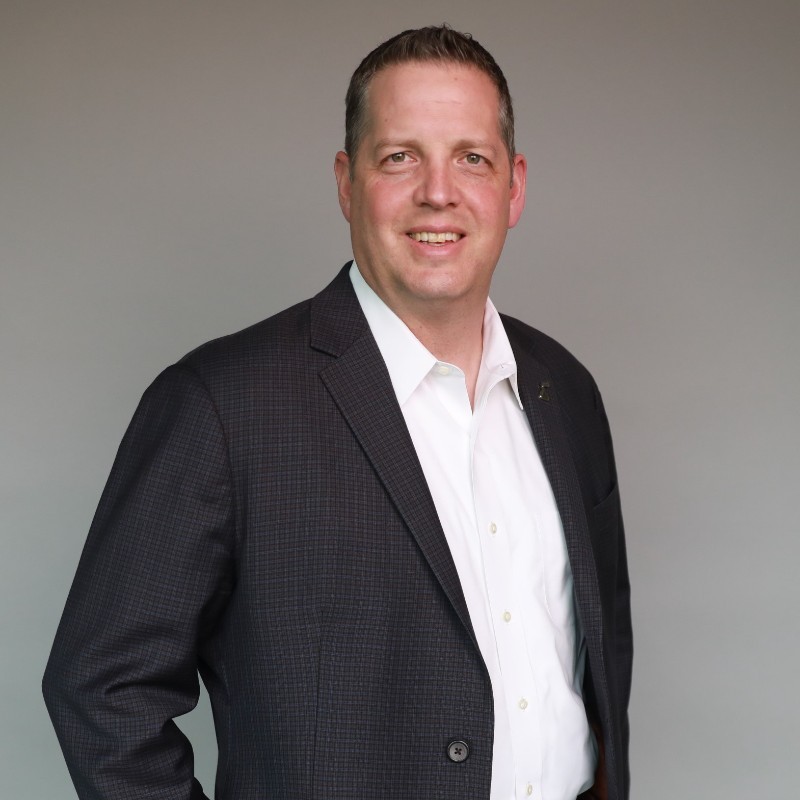
Jason Reiman leads the global supply chain for Hershey, where iconic brands meet strict service expectations. His scope typically includes procurement, manufacturing, logistics, engineering, planning, and the network strategy decisions that protect availability during peak seasons.
He is a long-tenured Hershey leader, which often translates into deep operational context, involving how plants run, how customer needs vary by channel, and how to invest in capacity and resilience without overbuilding cost into the system.
Jeff Lough — Senior Vice President, Supply Chain, Tyson Foods
Manages complex protein supply chains with a focus on cold-chain integrity, labor availability, and timing precision.

Jeff Lough oversees supply chain at Tyson Foods, with a remit that includes logistics and procurement in a category where complexity is structural, not occasional. Protein networks are sensitive to labor availability, cold chain integrity, and tight timing, which makes execution discipline as important as strategy.
His path is distinctive. He has a long leadership career at Walmart and Sam’s Club, as well as U.S. Marine Corps experience early on. That combination shows up in his leadership style, which is often described as servant-led and team-forward, with a bias toward practical innovation that holds up under pressure.
Michael McCulloch — Head of Logistics, Supply Chain & Operations, Magic Spoon
Optimizes logistics and 3PL performance, scaling operations through repeatable processes to protect margins.

Michael McCulloch leads logistics, supply chain, and operations at Magic Spoon, a brand built across DTC and wholesale distribution. His job sits at the intersection of planning and execution: inventory positioning, 3PL performance, and the operational systems that keep order-to-cash clean.
What makes his work stand out is the focus on operational infrastructure. Implementing tools like NetSuite, tightening KPI-driven performance, and translating growth into repeatable processes are the moves that protect margin when volume rises and channel mix shifts.
Megan Lavorato — Senior Vice President of Supply Chain, G FUEL
Translates brand-driven growth into scalable procurement, production, and fulfillment processes without overextending capacity.

Megan Lavorato leads supply chain at G FUEL, where demand is influenced by culture, community, and fast-moving product drops. That creates a planning environment that is less predictable than traditional grocery, with a heavy need for responsiveness in sourcing, inventory, and fulfillment.
Her background across food and beverage operations and brand scaling work is relevant here. The core value she brings is operational translation. It is about turning growth ambition into procurement decisions, production plans, and distribution execution that do not overextend cash or capacity.
Adis Sulejmanović — Head of Digital Supply Chain Transformation & Strategy, Kraft Heinz
Leads digital transformation in supply chain planning, using AI to enhance forecast accuracy and reduce inventory drag.

Adis Sulejmanović leads digital supply chain transformation at Kraft Heinz, a role centered on turning planning into a data-led, increasingly automated system. The food industry often talks about “visibility”; his work is closer to making decisions faster and with fewer manual handoffs across demand, supply, and inventory.
He is closely aligned with the company’s push toward a more autonomous planning model, leveraging AI and advanced analytics to improve forecast accuracy and reduce inventory drag. It is a modern supply chain role, but still grounded in outcomes such as service levels, working capital, and execution reliability.
Blake Robertson — Supply Chain Director, McIlhenny Company (TABASCO)
Ensures global consistency in procurement and production planning for the iconic TABASCO brand.
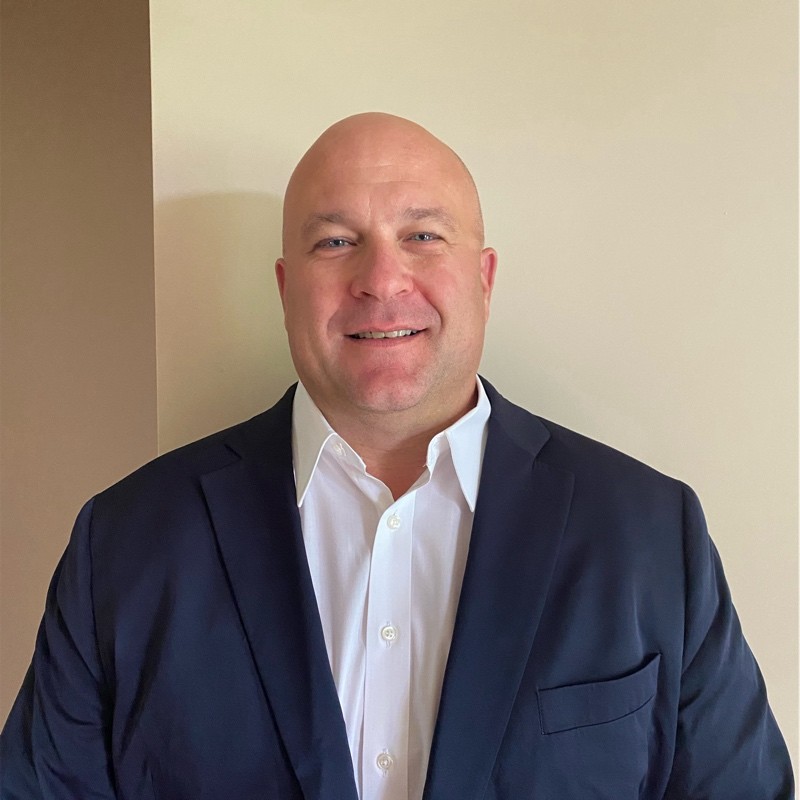
Blake Robertson leads supply chain for McIlhenny Company, the maker of TABASCO, where brand heritage meets the realities of modern distribution. For a signature product with global reach, procurement and production planning must maintain consistency while meeting modern service expectations.
His earlier career in global manufacturing and supply chain roles built a strong operational foundation. That shows up in a practical, lean-oriented approach that involves fewer surprises, stronger standard work, and better cross-functional alignment among manufacturing, planning, and logistics.
Diana Stapleton — Vice President of Supply Chain, Simple Mills
Balances flexibility and structure in a growing better-for-you food brand, maintaining service and inventory health.

Diana Stapleton leads supply chain at Simple Mills, covering procurement, planning, and logistics during a period of category growth in better-for-you foods. Her remit includes both strategy and execution, including customer logistics and the digital systems that support planning discipline.
She brings experience from larger ingredient and natural products ecosystems, which helps when scaling a brand without losing cost control. The hallmark here is balance between staying flexible enough for growth while building enough structure to keep service and inventory healthy.
Anna Woods — Director of Supply Chain, Perfect Snacks
Applies continuous improvement and lean methods to manage inventory and maintain service levels in a refrigerated product environment.
Anna Woods leads supply chain at Perfect Snacks, where production planning and procurement are tied to freshness expectations and retail velocity. In a refrigerated or sensitive-product environment, the cost of slow decisions shows up quickly as waste, rework, or lost shelf space.
Her profile is anchored in continuous improvement and lean methods applied to everyday supply chain work. That typically looks like disciplined inventory management, cleaner vendor performance, and processes that keep service high without “solving” every problem with more stock.
Karen Jordan — SVP & Chief Supply Chain Officer, PepsiCo Beverages North America
Leads PepsiCo’s vast beverage supply chain, ensuring precision and consistency across high-volume operations.

Karen Jordan leads the end-to-end beverage supply chain across PepsiCo’s North America network, covering manufacturing, fleet, distribution, planning, and strategy. Beverage supply chains reward precision because volumes are high and mistakes are expensive. For example, a late production change can ripple through customer service, labor, and transportation.
Her work is notable for scale leadership and organizational execution. Managing an extensive network requires consistency in standards while still allowing local operations to respond to demand and weather-driven volatility. It is a role where the system has to work every day, not just on “good weeks.”
Brad Spickert — President, Supply Chain and Customer Experience, The Coca-Cola Company
Aligns supply chain and customer experience with commercialization to ensure availability and brand presentation.
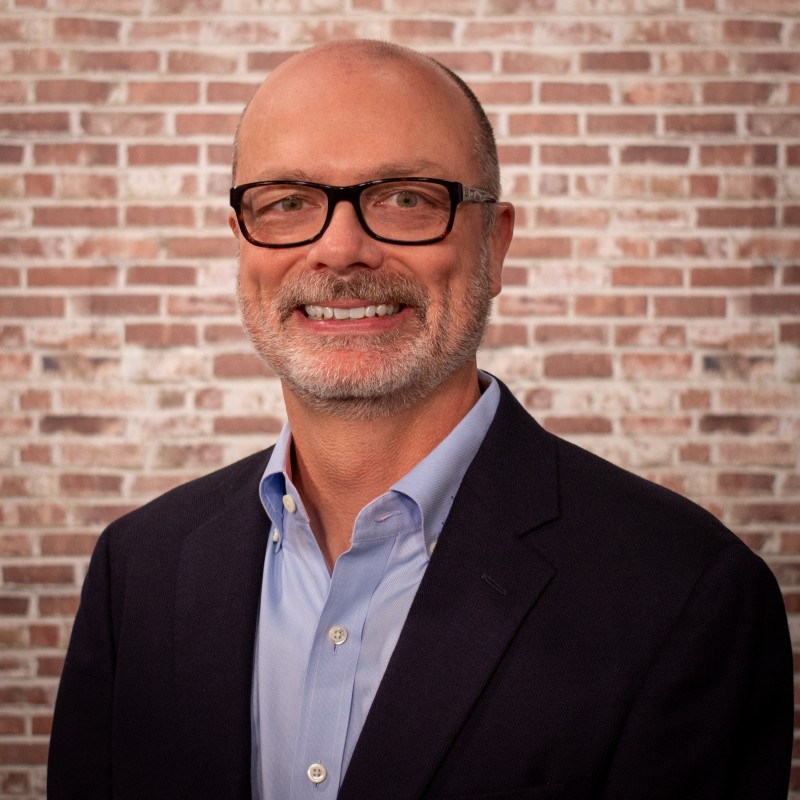
Brad Spickert leads supply chain and customer experience responsibilities for Coca-Cola across the U.S. and Canada footprint. In that ecosystem, the supply chain is deeply tied to commercialization and customer execution. That is because availability and presentation shape brand performance.
His background includes roles at the intersection of innovation and go-to-market. That matters in beverages, where packaging formats, new launches, and channel strategies require tight coordination between procurement, production, distribution, and customer teams.
-webp.webp?width=1710&height=566&name=Yoga%20Bar%20(1)-webp.webp)
Ready to Scale Your Food & Beverage Brand’s Supply Chain?
Book a Demo today and learn how ClickPost can help streamline your logistics, reduce costs, and boost your brand’s supply chain efficiency!
Closing note: Why this directory matters in 2026
A stricter set of criteria is used to judge the Food & Beverage supply chain than was the case a few years ago. The scoreboard includes price pressure, input volatility, and consumers who switch brands more quickly when value is unclear.
The leaders in this directory are not simply “optimizing.” They are building networks that stay dependable when reality changes, and that is why their work is worth watching.
-------------------------------------------------------------------------------------
Disclaimer: This list was compiled through an independent editorial review aimed at highlighting the key leaders currently shaping the U.S. food and beverage supply chain. The evaluation criteria included excellence in perishables management, innovation in traceability and safety, leadership in last-mile distribution, and measurable influence on waste reduction and logistics efficiency. This compilation is illustrative rather than exhaustive and is not intended as a formal ranking. All insights are based on publicly available data and industry analysis at the time of publication. No commercial affiliations, sponsorships, or endorsements influenced the selection of these individuals.
About the Review: We conducted this review to identify the individuals who aren't just managing fleets, but are actively redesigning how sustenance moves. Our team analyzed over 100 profiles across CPG giants, organic startups, and beverage innovators to select 25 leaders who represent the gold standard in resilient food supply chain management.