TL;DR
Estimated delivery is the projected date or time window when an order is expected to arrive based on current information. It usually combines the merchant’s processing time with the carrier’s transit time, then adjusts for weekends, holidays, and route conditions. It is not the same thing as a delivery guarantee.
Key points:
- Estimated delivery is a forecast, not a promise backed by a refund.
- It is usually calculated as processing time plus carrier transit time.
- Delays can still occur due to weather, holidays, customs, or carrier performance.
- Accurate delivery estimates build trust faster than vague or unrealistic ones.
This article explains what estimated delivery means, what happens when a package gets delayed, why accuracy matters so much, and how businesses actually calculate delivery estimates.
Why Customers Read Estimated Delivery Dates as Commitments, Not Suggestions
Customers rarely read an estimated delivery date as a soft suggestion. They read it as a commitment. That is why this small line on a checkout page carries more weight than many brands realize. Estimated delivery is simply the expected arrival date based on current operating conditions. Still, once the shopper gains access to it, it becomes part of the buying decision and the post-purchase experience, too.
Accuracy matters because customers care less about abstract speed than about knowing when the package will actually show up. Some post-purchase reports suggest that accuracy now outranks cost at the moment of purchase. That indicates how much certainty about delivery affects conversion and trust.
Source: Fulfill Glossary
What Does Estimated Delivery Mean in Ecommerce Shipping?
Estimated delivery means the expected date or time window when the customer is expected to receive the order. It is usually based on two moving parts: how long the seller takes to process and hand off the package, and how long the carrier is expected to take to move it through the network.
In simple terms: Estimated delivery = Processing time + Transit time. (IBM)
The important nuance is that it is still an estimate. It reflects the best available forecast at the time of checkout or shipment confirmation, not a guaranteed outcome. That is why estimated delivery dates can shift if the package is handed off late, weather disrupts the route, a holiday affects operations, or customs holds an international shipment.
Time-definite services, such as overnight or express products, may come with guarantees, but most standard and economy services do not.
What Happens When a Package Gets Delayed After Estimated Delivery Date?
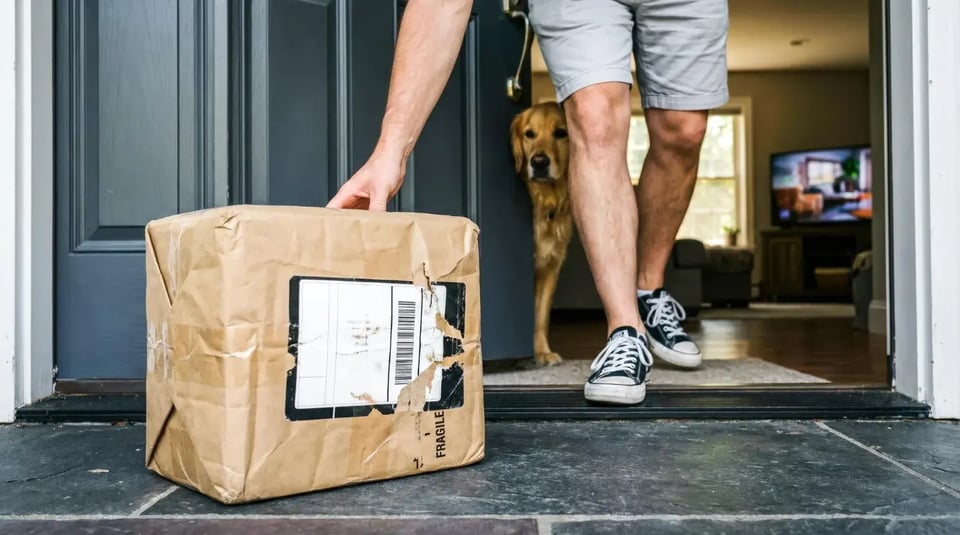
When a package is delayed, the estimated delivery date can become inaccurate even if it was reasonable when the order was placed. That does not always mean anyone made a mistake. Sometimes the delay is outside the merchant's control, especially when weather, holidays, airport congestion, customs, or last-mile disruptions interfere with the route.
What matters next is visibility. If the customer can see updated tracking and a revised delivery timeline, the delay is easier to absorb. If the estimate goes quiet and nothing is explained, frustration rises fast. That is why accurate tracking updates and proactive notifications matter almost as much as the original estimated date itself.
Why is an accurate delivery estimate important?
An accurate delivery estimate shapes trust before the package even moves. A shopper may accept slower shipping if the date feels believable and clear. What they usually do not forgive is uncertainty, especially when the promised window passes without delivery or explanation. As per reports, accuracy now outranks cost in the purchase decision. It is a strong signal that shoppers value delivery certainty more than many brands assume.
Let us not mistake it as just a customer-service issue. It is a retention issue. A consumer survey found that 76% of shoppers said a positive delivery experience influenced their decision to repurchase from a brand. Accurate estimates help create a positive experience by reducing disappointment, cutting down on “where is my order” contacts, and making the brand look more reliable.
How Estimated Delivery Accuracy Impacts Ecommerce Brand Performance
A few important points make the business impact clearer:
- Accuracy can matter more than delivery cost when customers decide whether to buy.
- Estimated delivery dates and package updates can reduce WISMO inquiries and improve customer confidence.
- Positive delivery experiences directly influence repeat purchase behavior.
The takeaway is that a realistic estimate beats an aggressive but unreliable one. Fast shipping gets attention. Accurate delivery earns trust.
How to Calculate Estimated Delivery Dates for Your Ecommerce Store
The easiest way to determine an estimated delivery date is through shipping software or carrier-connected checkout logic, not manual calculation. Although you do not have to calculate Estimated Delivery Dates manually, the formula behind it is still straightforward:
Order Processing Time + Carrier Transit Time + Calendar Adjustments.
The adjustments usually include weekends, holidays, local cutoffs, weather risk, and customs clearance for international shipments.
What Factors Determine Estimated Delivery Date Calculation?
- Processing time: How long it takes to pick, pack, and hand off the order
- Transit time: The carrier’s expected delivery window for the selected service
- Distance and zone: Longer routes usually mean longer estimates
- Carrier reliability: Some lanes perform better than others
- Weekends and holidays: These often interrupt normal movement
- International clearance: Customs can extend transit unpredictably
- Cutoff times: Miss the daily handoff window, and the estimate shifts by a day
That is why estimated delivery dates should be generated dynamically. Static promises like "3 to 5 business days" are easy to publish, but they are often too blunt to be genuinely useful. Using automated shipping tools and carrier allocation logic can improve the precision of these estimates significantly.
Tools and Software That Help Provide Real-Time Estimated Delivery Dates
Modern delivery management software and multi-carrier platforms enable brands to generate accurate estimated delivery dates at checkout by pulling real-time transit data from multiple carriers. These platforms integrate with order management systems and can factor in processing windows, warehouse location, and carrier performance by zone.
Editorial note
This article was written as a short practical explainer for merchants and customers trying to understand estimated delivery in real shipping terms. The definitions, calculation logic, and customer-impact observations were based on current ecommerce and post-purchase sources that explain how estimated delivery dates are generated, why they shift, and why accuracy now matters more than vague speed claims.
Why Estimated Delivery Accuracy Matters More Than Fast Shipping Promises
Estimated delivery is a forecast, but customers experience it as a promise. That is why the smartest brands do not just chase faster shipping. They work to make the promised date believable, trackable, and consistently accurate. When that happens, delivery stops being a source of friction and starts becoming part of the brand experience. Investing in ecommerce logistics infrastructure, package tracking software, and branded tracking pages can turn estimated delivery from a liability into a competitive advantage.
Frequently Asked Questions About Estimated Delivery Dates
What does estimated delivery mean when I place an online order?
Estimated delivery means the projected date or time window when the order is expected to arrive. It is based on the seller’s processing time and the carrier’s expected transit time.
Is estimated delivery date a guarantee or just a forecast?
Usually no. For most standard shipping services, it is a forecast rather than a guaranteed commitment. Only certain express or time-definite services carry money-back guarantees.
What factors cause my estimated delivery date to change after ordering?
The most common reasons are slow order processing, weather, carrier delays, holidays, customs holds, and missed local cutoffs. Any one of those can push the estimate later.
How do ecommerce businesses calculate estimated delivery dates accurately?
Most businesses calculate them by combining internal processing time with carrier transit time and then adjusting for weekends, holidays, and service cutoffs. At scale, this is usually done via Logistics software rather than manually.
What happens to customer trust when estimated delivery is wrong?
Trust drops quickly. Customers are more likely to contact support, leave negative feedback, or hesitate to order again if the delivery promise feels unreliable. High rates of missed delivery dates can also increase return-to-origin (RTO) rates and impact profitability
Do customers care more about fast delivery or accurate estimated delivery?
Accurate delivery usually matters more in the long run. Shoppers may like speed, but they trust brands more when the promised date is realistic, and the package arrives when expected. This is particularly true for D2C brands trying to build long-term customer relationships.
.png?width=193&height=27&name=ClickPost%20Logo%20(Blue).png)
.svg)
.svg)
.svg)
.svg)
.svg)
.svg)
.svg)
.svg)


.svg)
.svg)
.svg)
.svg)
.svg)


.svg)
.svg)
.webp?width=286&height=206&name=ROI%20Calculator%20(1).webp)
.svg) Blog
Deep dives & guides
Blog
Deep dives & guides
.svg) Assessments
Tools to assess your D2C operations
Assessments
Tools to assess your D2C operations
.svg) Comparisons
How ClickPost leads vs alternatives
Comparisons
How ClickPost leads vs alternatives
 API Docs
Resources you need to interact with our API
API Docs
Resources you need to interact with our API
.svg) Product updates
What's new at ClickPost
Product updates
What's new at ClickPost
 Trust center
Security and Compliance at ClickPost
Trust center
Security and Compliance at ClickPost
.webp?width=286&height=206&name=RTO%20Playbook%20(1).webp)