Locus Tracking and API Integration with ClickPost
Integrate Locus with ClickPost for real-time tracking, automated updates, and smarter shipping solutions.
Trusted by 450+ global brands
Locus Tracking
Benefits Of Connecting Locus With ClickPost
Locus has provided logistics solutions to 360+ brands across 30+ countries. Locus’s partnership with ClickPost’s shipping intelligence for results you will actually notice:
- Save on logistics costs by 22% via fewer RTOs, better delivery performance, and automated carrier allocation.
- Retain upto 40% revenue through store credits by turning cancellations into exchanges instead of refunds.
- Achieve up to 92% accuracy in delivery date estimation to provide a more reliable customer experience.
Check the integration library
| Partner ID | Order Creation | Cancellation | Tracking via Polling | Tracking via Webhook | Proof of Delivery (POD) | Non Delivery Report (NDR) | Create Pickup Request | AWB Generation Flow | Label Generation | Country | |
|---|---|---|---|---|---|---|---|---|---|---|---|

|
Locus
|
✓ | ✓ | ✓ | ✓ | ✓ | ✓ | ✓ | Clickpost Generated | India |
Locus services with ClickPost
How to Track Locus Packages
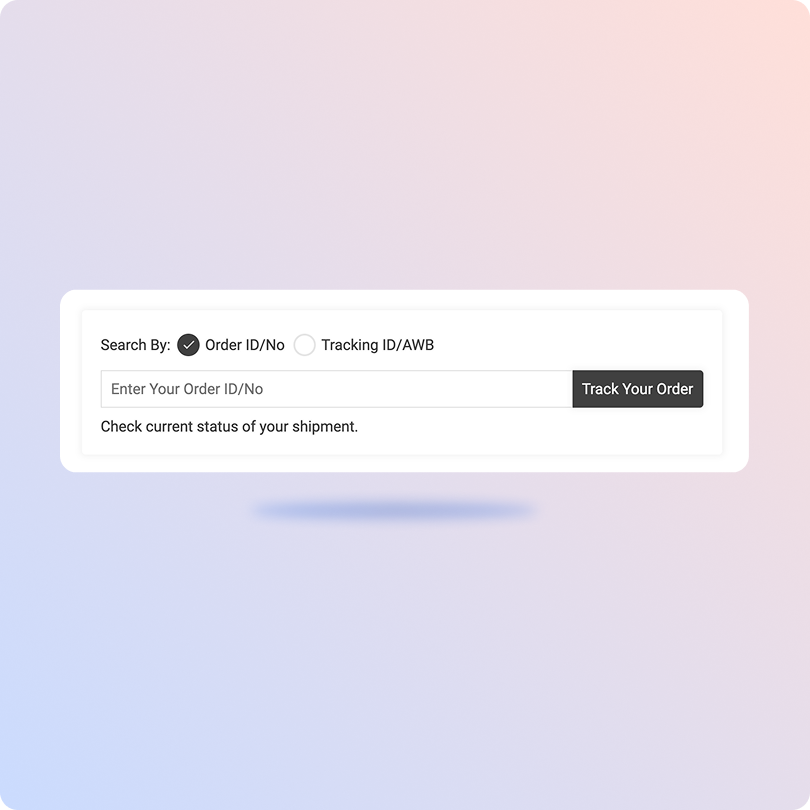
Track Locus Packages with ClickPost Tracking Page
- Locate the Locus tracking number from your shipment confirmation.
- Open the ClickPost Tracking Page.
- Enter the tracking number in the search field.
- Click “Track” to get the live delivery status of your shipment.
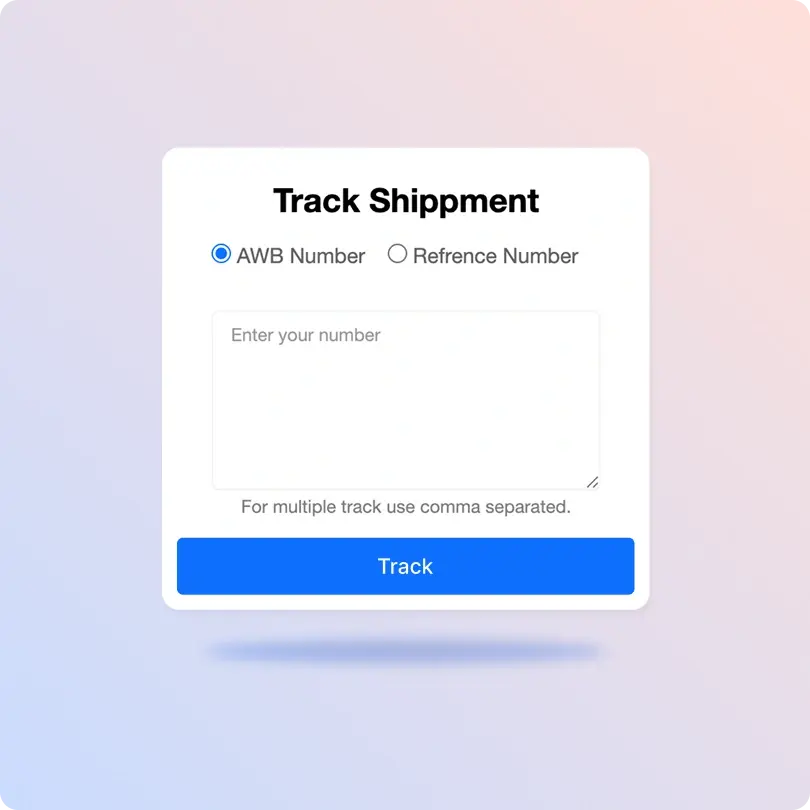
Track Locus Packages on the official page
Businesses using Locus typically track shipments through their internal logistics dashboard or connected systems. The tracking workflow usually involves:
- Accessing the Locus dashboard or connected logistics platform.
- Searching for the shipment using the tracking ID or order details.
- Viewing real-time shipment status, delivery progress, and operational updates.
List of Locus APIs
| API | Description |
|---|---|
| Manifestation and Label Generation API | Create Locus orders and roll out shipping labels in bulk without any manual intervention. |
| Track Shipment API | Pull live tracking updates for all your Locus shipments from one place without switching tabs. |
| Cancellation API | Cancel orders in a few clicks directly in ClickPost, without manually contacting Locus separately. |
| EDD API | Obtain an accurate delivery estimate right on the product description page or checkout page. |
| NDR Action API | Improve delivery rates and safeguard your profit margin by addressing failed deliveries. |
| Return Webhooks | Track return shipment events in real time for smoother reverse logistics. |
Frequently asked questions
How do I integrate Locus tracking API into my logistics platform step by step?
You start by filling out Locus's demo request form, since API access isn't self-serve. A Locus rep sends you a client ID and authentication details by email. From there, you use their SwaggerUI-based docs to explore the relevant API groups and start building calls against your platform.
What is Locus tracking, and how does its API work for real-time delivery visibility?
Locus started as a route-tracking app back in 2015 and grew into a full logistics platform. Its API gives businesses visibility into deliveries as they move, tied into route planning and dispatch. You get this through an authenticated connection set up after Locus onboards you.
How can I automate delivery tracking and notifications using the Locus platform API?
Once you're authenticated, you pull shipment status through the relevant API endpoints and hook that into your own notification system. Locus itself focuses on the tracking and dispatch data. The actual customer notification logic, like sending an SMS or email, usually lives on your end or through a layer built for that.
What does Locus.sh offer for API integration with ERP and WMS systems?
Locus is built to plug into existing ERP, WMS, and TMS systems through an API-first setup, so it can slot into a warehouse or fleet management stack without replacing what's already there. This is aimed more at businesses running their own delivery fleets than typical ecommerce carrier tracking.
Does Locus tracking API support webhook events for delivery status updates and how do I set them up?
Locus's public docs don't spell out webhook setup in detail, since API access and configuration get handled directly with a Locus rep after you request a demo. If webhooks for status updates matter to your setup, that's a good question to raise during onboarding rather than something you'd configure blind from documentation alone.
What are the best practices for securing API keys when integrating a locus tracking service into a mobile app?
Never hardcode API keys into your app's client-side code, since mobile apps can be decompiled. Route calls through your own backend instead, so the key stays server-side. Rotate keys periodically and restrict what each key can access, so a leaked key doesn't expose your entire account.
What happens to in-transit tracking data if a locus API call times out during peak delivery hours?
Generally, a timeout just means that specific request failed, not that the underlying tracking data was lost. The safe approach is building retry logic on your end, so a failed call gets attempted again shortly after instead of leaving a gap in the customer's tracking view. Peak hours are exactly when this matters most, since load and timeout risk both go up.
What is the difference between Locus's dispatch management and standard GPS fleet tracking?
GPS fleet tracking just shows you where a vehicle is right now, plotted on a map in real time. That's the whole job. Locus's dispatch management does more upfront work. It decides which vehicle takes which order based on things like capacity and delivery windows, then keeps adjusting routes as the day unfolds. Tracking is part of the package, but it's really a byproduct of a system built to make delivery decisions, not just watch them happen.
Can ClickPost's carrier recommendation engine work alongside Locus's dispatch decisions?
They sit at different layers, so there's some overlap to be aware of. ClickPost picks which carrier should handle a shipment based on past performance and cost. Locus, once a shipment is with a fleet, decides how that vehicle gets there. If a business uses both, the two typically handle separate parts of the journey rather than competing for the same decision.
Does ClickPost provide the same route optimization as Locus for last-mile delivery?
Not really, no. ClickPost is built around multi-carrier tracking, NDR management, and post-purchase visibility rather than deciding vehicle routes or dispatch. Route optimization at that level is more Locus's territory, since it's built specifically around dispatch and fleet planning.
Streamline your shipping experience with ClickPost